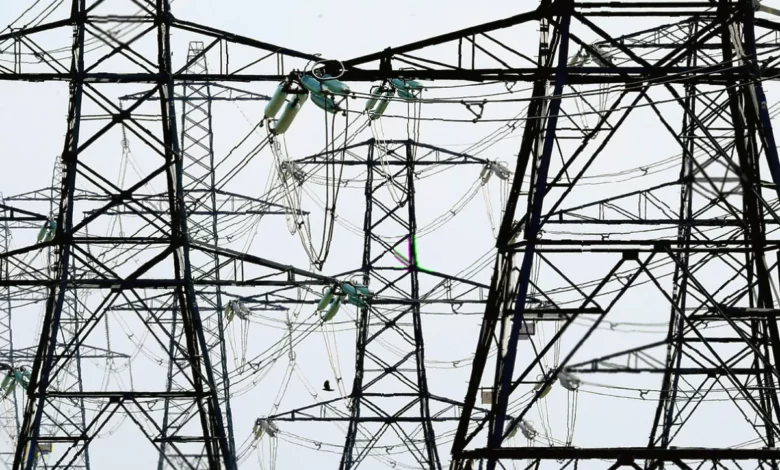
Britain’s electricity grid operator cancelled a rare summer power warning shortly after 2pm on Wednesday, reversing an earlier call for extra capacity that had been triggered by the heatwave. The National Energy System Operator (Neso) said the alert, issued late on Tuesday evening, was a “routine tool” and that it did “not mean electricity supply is at risk”. The cancellation signalled the operator was confident power supplies would meet demand through the evening.
The warning had been issued as an “electricity margin notice” for the period between 7pm and 10pm on Wednesday, a mechanism used to signal to the market that more capacity should be made available so generation could increase if needed. Such notices are far more typical during winter, when heating demand drives up consumption. Its appearance in summer, amid a stretch of record-breaking temperatures, underlined the unusual strain on the system.
Heatwave strains the grid from both sides
The extreme heat hitting parts of England and Wales, where temperatures were forecast to reach 40C under a “heat-dome” settled over western Europe, places pressure on the electricity system in two ways. On the demand side, households are switching on fans and air conditioning in larger numbers, a surge that can cause temporary outages, voltage instability and higher costs. On the supply side, high temperatures make power generation less efficient: nuclear plants, gas stations and water cooling systems all lose performance. A gas-fired power station can see its capacity drop by 13% and its efficiency by 7% at 40C compared to 20C, according to industry data. Neso – the government-owned body established on 1 October 2024 to operate and plan Great Britain’s electricity and gas networks – reported that several gas plants had gone offline, likely because of these heat-related operating restrictions. Shivam Malhotra noted that British gas plants “tend to really struggle in extreme temperatures”, with five plants reporting reduced output due to ambient conditions, cutting about 2.5 gigawatts from the UK’s gas fleet.
The heatwave also exposed the challenges of integrating renewable energy. During the daytime on Tuesday, solar power covered roughly half of the UK’s energy demand, according to Charlotte Johnson, general manager of Generation Flex at Kraken – an AI grid platform spun out of Octopus Energy that balances supply and demand. The UK was even exporting power to Europe during those hours. But the situation flipped as evening fell. Solar generation waned, demand rose as households turned on televisions to watch World Cup football matches, and gas plants struggled. The UK began importing around 10% of its electricity from Europe. Neso paid up to £1,000 per megawatt-hour for gas to ensure supply matched demand, with total costs exceeding £11 million – more than five times the daily average. Between 5pm and 7pm, the system operator paid approximately £470 per megawatt-hour for imports, more than six times the average June market price of the previous year. Elevated prices on the continent, driven by heatwaves across Europe, added to the cost: Germany’s power market was forecast to reach over €545 per megawatt-hour, and France’s over €268 per megawatt-hour.
The financial burden reflects a deeper trend. The cost of balancing Britain’s electricity grid has more than doubled to £11.8 billion between September 2021 and April 2025, linked to the country’s reliance on gas and the variability of renewable generation. Balancing costs are projected to rise significantly by 2030. Meanwhile, infrastructure struggles to keep pace: an estimated 10 terawatt-hours of renewable electricity were curtailed in 2025 due to a lack of modern grid capacity, and many new projects face long connection delays.
Despite the pressures, batteries on the Kraken platform contracted for balancing services helped support supply during Tuesday’s evening peak as solar power slowed. “This is a preview of the operational challenges the UK will face more often in a warmer, more renewables-heavy system – and a clear demonstration of batteries’ growing role in managing demand and keeping the grid stable,” Johnson said. The UK’s grid is considered vulnerable to extreme weather events; studies suggest over 3.5 million people are at risk of power outages from such conditions. On Tuesday evening, gas power plants were paid almost £4 million to generate electricity for a few hours to meet demand from viewers using air conditioning, fans and other appliances during England’s second World Cup game.