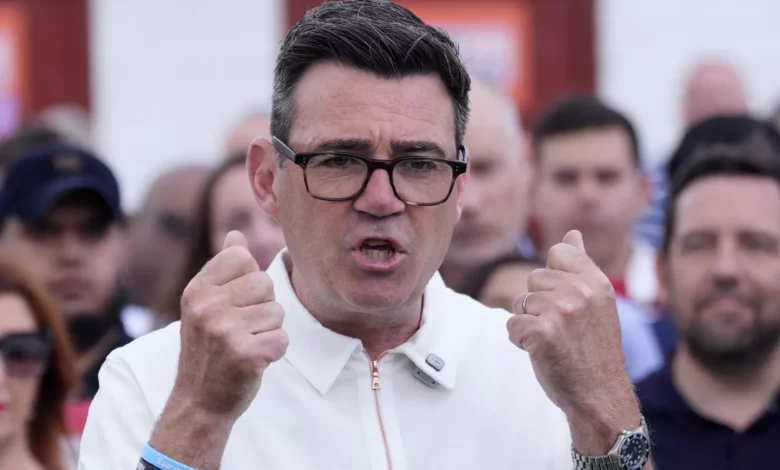
London faces a £7.5 billion tax bombshell from a new property levy backed by Andy Burnham, as the former Greater Manchester Mayor prepares to become Prime Minister following Sir Keir Starmer’s resignation. The proportional property tax (PPT) would replace council tax and stamp duty, and the burden would fall overwhelmingly on the capital, with households across the rest of the country enjoying a combined tax cut of around £6.5bn – a figure the Fairer Share Campaign now estimates has risen to roughly £7.5bn for London alone.
The financial impact on Londoners would be severe. Hundreds of thousands could see their annual property tax bill increase by £1,000 or more, while many more would face smaller rises. Under the fiscally neutral design of the PPT, the extra revenue from the capital would fund reductions elsewhere. The campaign’s 2021 manifesto states: “If you live outside London… your community will benefit from an overall £6.5 billion reduction in property taxes, representing a huge boost to local economies.” That sum, updated to reflect current values, is put at around £7.5bn – and it would be raised entirely from London properties.
For owner-occupiers in the capital, the change could be particularly painful because of the huge mortgages many carry and the fact that house prices have fallen for nine consecutive months. The Resolution Foundation has noted that council tax is effectively regressive relative to property values, with valuations still based on 1991 levels, and has argued for a tax proportional to up-to-date home values. The Institute for Fiscal Studies describes the UK property tax system as complicated, inconsistent and overdue for reform, while the Centre for London has proposed a similar property value tax at a rate of 0.27% – half the level now being considered by the Fairer Share Campaign.
How the proportional property tax works
Under the PPT proposal, every residential property would be taxed at 0.48% of its current market value each year. Second homes, empty properties and those owned by foreign nationals would be charged at double that rate: 0.96%. The higher rate alone is estimated to generate roughly £5bn, with the bulk flowing from London. In return, stamp duty and council tax would be abolished entirely.
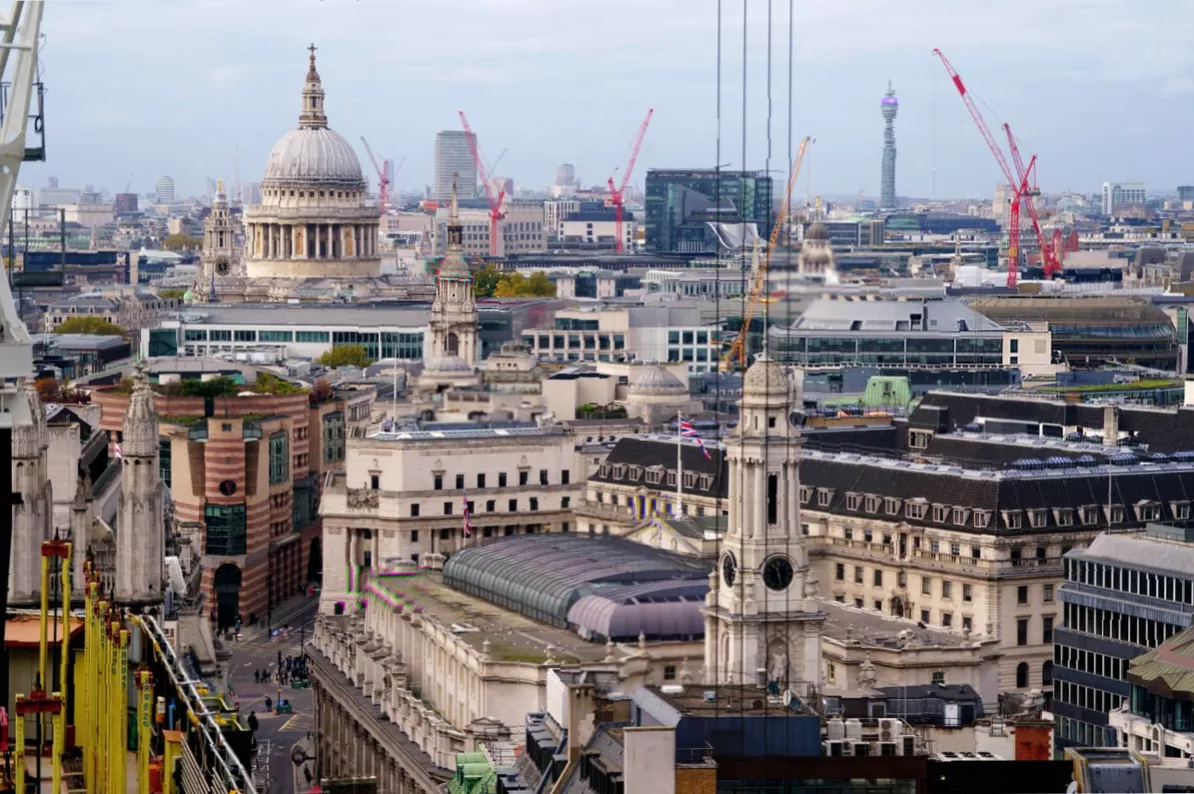
The owner of a home worth £700,000 would pay £3,360 in PPT, which the campaign says is comparable to the council tax currently levied on a property of that value. Owners of more expensive properties would pay more under PPT; those in cheaper homes would pay less, though the effect depends on the wide variation in council tax bands across the capital. Crucially, any immediate increase in a household’s liability would be capped at £1,200 in the first instance.
Without additional support, the Fairer Share proposals could lead to larger property tax increases for owner-occupier households in London than anywhere else in England. The research suggests that providing support to all owner-occupier households pushed into unaffordability would cost an estimated £150m per year in the capital – a sum the campaign considers affordable given the overall revenue raised.
Why London would bear the heaviest burden
The disproportionate impact on London stems from its much higher property values. While the tax is designed to be proportional, the capital’s average home is worth far more than elsewhere, meaning the same percentage rate extracts a much larger sum. The Centre for Policy Studies has proposed abolishing stamp duty and basing council tax on current house values with regular revaluation, while the Joseph Rowntree Foundation has explored property tax reform as a way to address market distortions and create a more level playing field between asset classes.
The PPT also raises questions about “asset-rich, cash-poor” households – Londoners who own a valuable home but have limited liquid income to pay an annual tax. Andrew Dixon, chair of the Fairer Share Campaign, argues this is a “pro-London reform” because it targets the aspects of the property market that Londoners complain about most: empty homes, speculative ownership, punitive moving costs and unfair council tax bills. He told The Standard: “Council Tax is unfair, Stamp Duty is economically damaging, and Londoners pay the price for both. Fair reform means lower bills for low and middle-income households, protection for those facing increases, and a higher contribution from empty, second and overseas-owned homes.”
Nevertheless, with only London facing a net increase in property taxation under the proposals, the potential for a major backlash is clear. Many households in the capital already carry large mortgages, and the Institute for Fiscal Studies has pointed out that property taxes are tricky because homes are both places to live and assets. Some experts have warned that a property wealth tax of this kind could lead to moderate falls in top-end property prices, particularly in London and the South East, and that higher taxes on landlords could reduce rental stock and push up rents.
Andy Burnham has publicly supported the Fairer Share Campaign and is listed as a supporter on its website. He has a long history of advocating for land value tax (LVT) reform. In 2010, during his first Labour leadership bid, he called for an LVT to allow the abolition of stamp duty, which he described as “a tax on the aspiration of young people to put down roots and get on with life.” More recently he said council tax is “highly regressive” and repeated his belief that land is “under-taxed.” The PPT, while not a pure land value tax, is a variation based on property values.
Political opposition and the path ahead
Property experts doubt that Mr Burnham will press ahead with such a sweeping reform before the next general election, expected in 2029, but it could form part of a future Labour manifesto. The political calculation is delicate: the mayor of London, Sadiq Khan, has previously called for higher council tax premiums on empty and second homes, arguing the current 100% premium is “not enough,” and has supported greater devolution of property taxes to the capital. But a tax that directly hits hundreds of thousands of London homeowners would test that support.
The Fairer Share Campaign’s analysis suggests that the PPT would shift the burden from cheaper properties to more expensive ones, and that low-income households could be protected. However, with London alone funding the cuts for the rest of the country, opposition in the capital is expected to be fierce. The Joseph Rowntree Foundation has noted that the tax treatment of housing is biased towards owner-occupation, and any reform would need to address that inequality. For now, as Mr Burnham prepares to make a speech on the economy next week, the £7.5bn question hangs over every London homeowner.