Nearly half of British voters believe a general election should be called if the country gets a new prime minister, according to a YouGov poll published on 24 June, in a finding that underscores growing public demand for a direct say in who leads the country.
The survey, which specifically tested the scenario of Andy Burnham becoming prime minister, found that 48 per cent of respondents wanted an election, compared with 35 per cent who opposed the idea. Seventeen per cent said they did not know.
Demand for a leadership contest
Separate YouGov data from the same period shows the public is equally keen on internal party democracy. Only 23 per cent of those questioned said Burnham should become Labour leader unopposed, while 46 per cent said there should be a contest. The remainder — roughly a third — expressed no opinion.
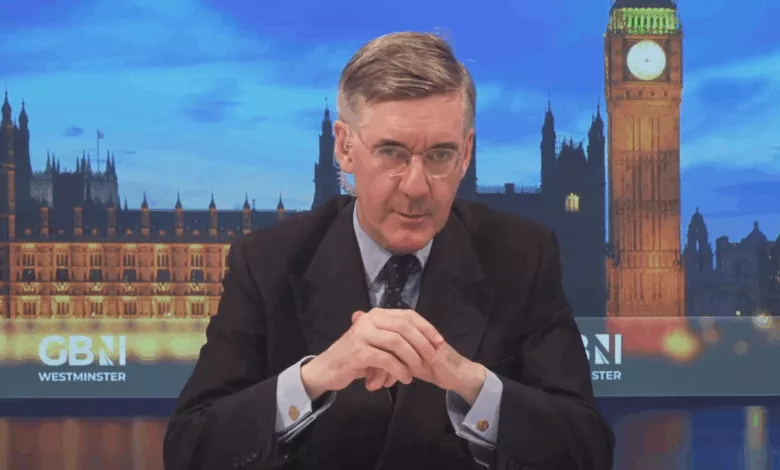
The argument against a contest is that it causes delay and indecision, but the polling suggests voters place a higher value on scrutiny. Jacob Rees-Mogg, the Conservative MP and GB News presenter, has argued that the electorate “want to know more about whoever it is who is going to lead them” and that “voters want to make that decision.”
Why voters want to choose their leader directly
Rees-Mogg’s commentary on the polling reflects a broader belief that the United Kingdom has effectively moved to a “presidential system” in which voters choose a party leader rather than a local candidate. He has consistently pressed this argument: in January 2022 he said that if Boris Johnson were ousted a general election should follow, and in September 2025 he reiterated that a new prime minister must obtain a fresh mandate because election campaigns are now so heavily centred on the personality of the leader.
The constitutional basis of the prime minister’s office, Rees-Mogg noted, is far less fixed than many assume. For the best part of 200 years the post did not formally exist; it was not recognised in statute until 1917, and it was only brought into the official order of precedence at the beginning of the 20th century. The modern reality, he argued, is that “voters are swayed not by the charisma and the genius of the local candidate, about whom they may well know remarkably little, particularly if that candidate is not an incumbent.” Instead, they vote for the leader who impresses them most.
Historical precedents, he suggested, reinforce the case for a proper test. Rees-Mogg pointed to Theresa May and Gordon Brown, both of whom became prime minister without facing a leadership contest. “They weren’t tested, we didn’t know anything about them. And then they turned out not to be successful prime ministers,” he said. The examples are well chosen: May took over after Andrea Leadsom withdrew from the Conservative race in 2016, and Brown succeeded Tony Blair in 2007 unopposed; both premiers endured deeply divided parties and difficult premierships.
Rees-Mogg invoked a line from Dr Samuel Johnson contrasting the role of the monarch and the people. “The King gave us a minister in Walpole, and the people gave us a minister in Pitt the Elder,” he said, a reference to the shift from royal appointment to public-driven political choice. “Nowadays it’s the people who give us the minister, and the people should have the choice.”
The distinction between “constitutional theory” and “constitutional fact” is central to his argument. Formally, the prime minister is the person who can command the confidence of the House of Commons, but in practice the public expects to ratify that choice at the ballot box. Rees-Mogg has argued that the electorate is “right to be jealous of its prerogative to decide who the prime minister is.”
His comments come against a backdrop of speculation about Labour leadership changes, with Keir Starmer facing internal pressure and Burnham seen as a potential successor. Rees-Mogg has also recently expressed a desire for the Conservatives and Reform UK to unite, warning that the Conservative Party must win back voters who have defected to the insurgent party — a further reminder of how leadership choices and electoral mandates dominate current political debate.