Reporter Ksenia Savoskina visits woodland retreat to document Ukrainian injured troops’ stories

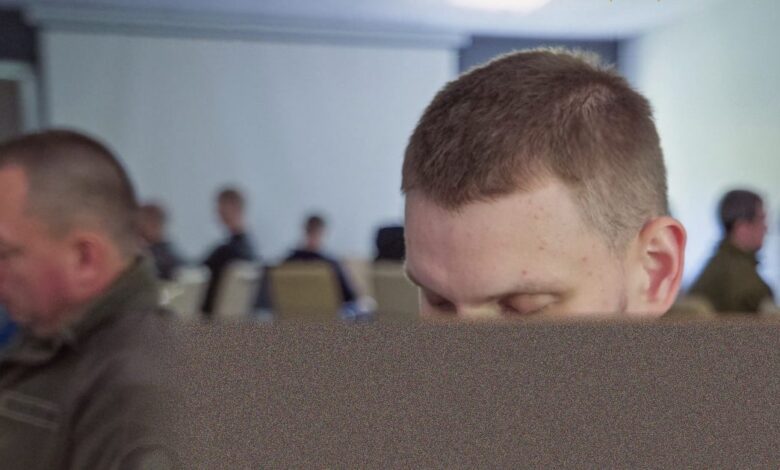
Deep within a pine forest, far from the din of Ukrainian cities, stands a severe modernist building of marble and concrete. Constructed in 1974 as a secret sanatorium for the ministers of Soviet Ukraine, its architecture speaks of authority, not vulnerability. Today, this facility, known as the Forest Glade rehabilitation centre, serves a very different purpose: it is an intensive care unit for the fractured minds of soldiers returning from the front.
A Three-Week Sanctuary
The central, agonising constraint of Forest Glade’s work is time. Each soldier typically receives just three weeks of treatment before being sent back to the front lines or into civilian life. Medical staff acknowledge this is an impossibly short period to address cumulative trauma, but the war dictates the timetable. The centre’s approach is necessarily holistic and intensive, combining medical, psychological, physical and social support to treat stress disorders, depression, anxiety, adjustment disorders and the consequences of trauma, including Post-Traumatic Stress Disorder (PTSD).
The facility has a long history of healing soldiers, having hosted veterans of the Soviet-Afghan war in the 1980s before treating those returning from the conflict in eastern Ukraine from 2014 onwards. Now, it accepts soldiers from every part of the current frontline.
Relearning Peace
Inside, the late-Soviet severity of the building is softened by light, plants, and activity. The treatment philosophy extends far beyond conventional therapy. Soldiers engage in tango, yoga, wall climbing, and music. They tend gardens, learning patience through nurturing fragile seedlings—a profound dissonance for men trained for combat. A travelling petting zoo visits regularly, allowing soldiers to cradle animals, an exercise in restoring a register of gentle, non-verbal touch that war distorts.
Physical discipline is retaught through activities like archery, which demands regulated breath and singular focus, reclaiming attention from intrusive memory. Beyond the grounds, excursions to karting tracks, ski slopes, and equestrian centres serve as controlled exposure, a re-entry into environments that demand concentration without mortal consequence.
Perhaps the most striking therapy is “buhurt”—staged medieval combat where soldiers, clad in padded armour, fight in teams with blunted foam weapons. In Ukraine, this has evolved into a deliberate, unconventional tool for psychological rehabilitation. It creates a structured arena where aggression can be expressed and combat energy channelled into ritual rather than chaos, which is particularly valuable for veterans with PTSD.
The Systemic Challenge
The work at Forest Glade takes place against a backdrop of a nationwide mental health crisis. Experts estimate a large portion of Ukraine’s population will require psychological support due to the war. The centre itself faces systemic hurdles, including a recognised shortage of specialists trained in evidence-based PTSD treatment, with low state salaries discouraging psychiatrists from offering free services to veterans.
The risk of re-traumatisation is high. The rapid return of soldiers to the frontlines, often before full recovery, poses a significant danger of developing more complex, chronic PTSD. One former patient, the father of a Ukrainian filmmaker who documented the centre, found his symptoms—hypervigilance, physical ailments—quickly reappeared after he returned to service, illustrating how provisional recovery can be.
Innovation on an Island of Safety
Despite the challenges, Forest Glade is a place soldiers repeatedly describe as an “island of safety,” where they feel supported and understood. It is also a site of innovation. To enhance treatment methods, a pilot study on MDMA-assisted therapy for PTSD has been approved by Ukraine’s Health Ministry and is being prepared at the centre, according to ministerial sources. Furthermore, Forest Glade trains psychologists from the State Emergency Service of Ukraine in dealing with war-related trauma.
The centre, which receives support from philanthropic funds and organisations like the United Nations Development Programme (UNDP), operates within a historical lineage. Its building is a relic of the vast Soviet sanatorium system, state-sponsored institutions designed for rest, recuperation and social reform, often housed in architecturally significant buildings blending brutalism and neo-futurism. Forest Glade repurposes this legacy of communal care for an urgent contemporary need.
For the soldiers within its walls, the value is in the schedule, the predictability, and the focus on what can be controlled. As one veteran featured in a film about the centre noted, he was told about Forest Glade while in captivity and advised to go there upon release. In a war defined by chaos, the centre offers a temporary, structured refuge, teaching that for three weeks, the brutality outside can be held at bay.