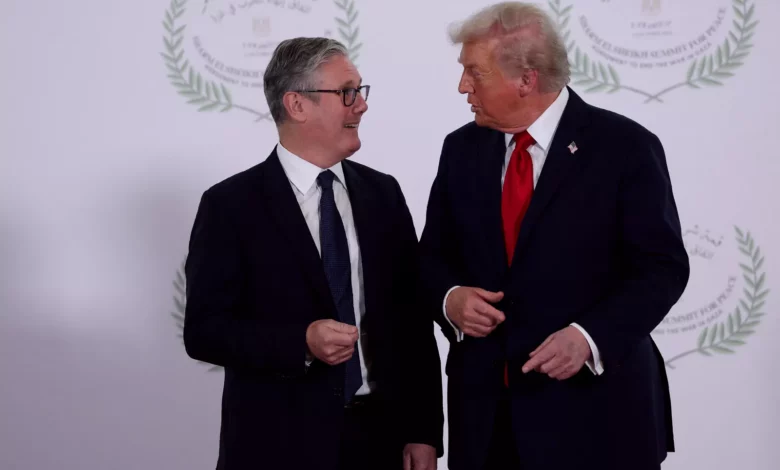
Britain is ready to play its part in ending the Iran conflict, with Prime Minister Sir Keir Starmer telling Donald Trump the UK stands prepared to support the implementation of any peace deal and help restore freedom of navigation through the Strait of Hormuz.
In a telephone call with the US President on Saturday afternoon, Starmer expressed support for Trump’s efforts to bring the conflict to a close, welcoming the progress made and stressing the importance of a durable and lasting peace. A Downing Street spokesperson confirmed that the Prime Minister “reiterated that the UK stands ready to support the implementation of any peace agreement and to work with international partners to ensure its success.” Both leaders agreed that freedom of navigation must be restored to ease the global economic impacts of the war.
Strait of Hormuz demining mission
The most concrete expression of that readiness is a multinational mine-clearing operation in the Strait of Hormuz, which Britain and France have finalised plans to lead. The mission is contingent on the US and Iran reaching an agreement, but once a ceasefire is in place, the UK is expected to play a central role. The strait, a chokepoint for global energy supplies, has been effectively closed by mining and security threats, preventing around 20 million barrels of oil from passing each day. Restoring commercial shipping is seen as an urgent economic priority.
The demining effort involves a coalition of between 15 and 40 countries and has been in planning for months. Britain’s Royal Fleet Auxiliary vessel RFA Lyme Bay has already taken part in exercises in the eastern Mediterranean ahead of a potential deployment. The UK’s interest in assisting with demining operations once the conflict is paused was first flagged by British and French officials, and the mission is expected to be a key topic when Starmer and Trump meet at the G7 summit in France next week.
G7 summit talks
Mediators have indicated that an agreement to end the conflict is close, and Trump is expected to discuss the details with allies at the G7 gathering in Evian-les-Bains from 15–17 June. European allies plan to seek the President’s formal approval for the demining mission at the summit. Trump’s willingness to engage constructively is believed to depend on securing an interim ceasefire deal first.
Downing Street said the Prime Minister and the President “agreed to stay in close contact and looked forward to speaking at next week’s G7 summit.” The summit is likely to be dominated by the Iran war and the reopening of the Strait of Hormuz, but Starmer will also face uncomfortable questions about the state of Britain’s own defence commitments.
Defence spending turmoil
The Prime Minister arrives at the summit with his government’s security credentials badly damaged. Defence Secretary John Healey and Armed Forces Minister Al Carns both resigned on 11 June, citing the long-delayed Defence Investment Plan (DIP) as the reason for their departure. Healey argued that the DIP fell “well short of what is required” and claimed the Treasury was “unwilling to commit the resources that the nation needs.” Carns said he could not “in good conscience stand at the dispatch box and defend a level of investment I know to be inadequate to the task,” and criticised the plan for focusing on outdated systems and “fighting the last war rather than the next one.”
Starmer expressed regret over the resignations but maintained that the DIP would deliver an “unprecedented increase in defence spending.” He has pledged to raise defence spending to 2.5% of GDP by 2027 and 3% by 2035, although critics argue that is still insufficient, with some advocating for 3.5% by the same date. The DIP was delayed by a dispute between the Ministry of Defence and the Treasury: the MoD sought £18 billion over four years, while the Treasury offered £13.5 billion. Dan Jarvis has been appointed as the new Defence Secretary to replace Healey.
The resignations have undermined Starmer’s authority and security credentials, with the timing particularly damaging as he prepares to face fellow leaders at the G7. The Downing Street readout of the call with Trump made no mention of the domestic defence crisis, instead focusing on the joint determination to secure peace. “Both leaders agreed that freedom of navigation must be restored to ease the economic impacts felt globally,” the spokesperson said, adding that they looked forward to continuing their discussions at the summit.