The Scottish Cup quarter-final between Rangers and Celtic at Ibrox Stadium descended into what police have called a “shameful” and “despicable” display of violence on Sunday, overshadowing Celtic’s dramatic penalty shootout victory and triggering multiple investigations.
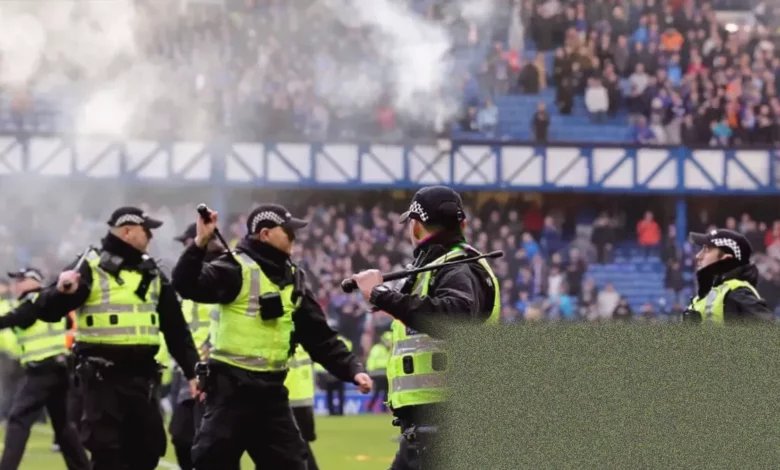
Chaos erupted at the conclusion of the goalless tie, which Celtic won 4-2 on penalties. Dozens of Celtic supporters spilled onto the pitch from the away end to celebrate Tomas Cvancara’s decisive spot-kick. That incursion sparked a far larger pitch invasion from hundreds of Rangers fans, with police and stewards forced to form a barrier across the turf as missiles and flares were thrown between the groups. Most supporters were cleared from the field within approximately ten minutes.
Chief Superintendent Kate Stephen of Police Scotland condemned the scenes, stating officers and stewards faced “extreme hostility and violence over a sustained period,” with many individuals armed with items “clearly intended to cause harm.” She confirmed a number of arrests have been made and that officers and members of the public were injured in the disorder.
Injuries and Investigations Mount
The human cost of the clashes became clearer in the aftermath. Beyond the police and public injuries acknowledged by Chief Superintendent Stephen, a Celtic staff member was reportedly attacked in a “fracas” with a supporter. Celtic right-back Julian Araujo was pushed by a Rangers fan on the pitch, and match-winner Tomas Cvancara was later interviewed with blood stains visible on his strip. Several stewards also required medical assistance.
Police Scotland has launched a robust investigation in conjunction with both clubs and the Scottish Football Association (SFA). This will scrutinise not only the pitch invasions but also the actions of some supporters who entered the Broomloan Road stand without tickets before kick-off, causing significant delays to security operations and forcing the temporary closure of turnstiles.
The SFA has also initiated an immediate investigation of its own, condemning the behaviour of supporters entering the field of play. Its probe will proceed under the Judicial Panel Protocol, opening the door to potential sanctions against both Glasgow clubs.
Historical Rivalry and Increased Allocations
The match carried the heightened tension of one of world sport’s fiercest rivalries, further amplified by a significant change in ticketing. For the first time since 2018, Celtic were given the full Broomloan Road Stand allocation, bringing 7,500 away fans to Ibrox. This was a stark increase from the reduced allocation of under 1,000 tickets that had been in place in recent years, a period which had also seen away supporters banned from Old Firm derbies in 2023 due to ticketing disputes. Scottish Cup rules allow an away club to request up to 20% of tickets.
The scale of the disorder drew immediate comparisons to historic flashpoints, including the notorious mayhem that followed the 1980 Scottish Cup Final between the same clubs. It also recalled previous incidents at Ibrox where bottles and missiles have been thrown at Celtic players and staff.
Post-match, both managers addressed the unsavoury scenes. Rangers manager Danny Rohl, who said he had left the pitch before the turmoil, stated that “nobody likes to see this” and that such things “shouldn’t be in the stadium or around football.” Celtic manager Martin O’Neill acknowledged the “natural euphoria” of fans celebrating a win but expressed concern it had “gone too far,” adding his disappointment that the pitch invasion might overshadow his team’s achievement.
Police Scotland is urging anyone with information about disorder before, during, or after the match to contact them.