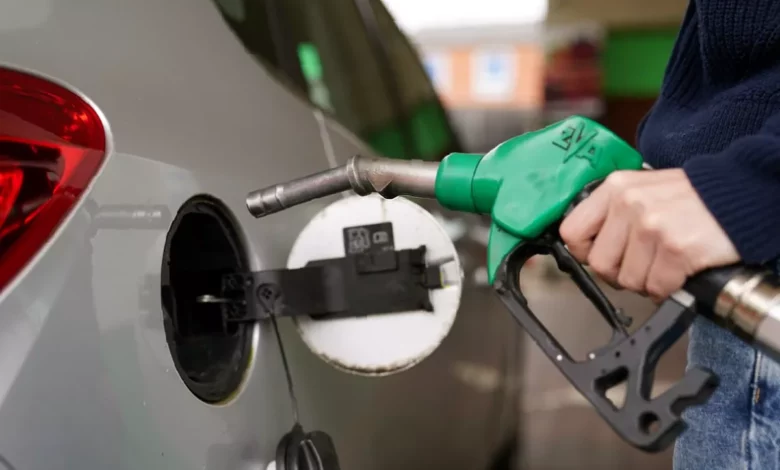
Ministers have acknowledged the financial strain that high pump prices are placing on households and businesses, a recognition that comes as the government axes a planned fuel duty increase and extends an existing cut. The move, announced by Prime Minister Sir Keir Starmer on 20 May 2026, scraps a rise that had been due to take effect in September and keeps the current 5p-per-litre reduction in place until the end of the year.
Steve Gooding, director of motoring research charity the RAC Foundation, said: “Although today’s news on fuel duty won’t have the immediate effect of bringing forecourt prices down, at least it shows that ministers have registered the financial pain caused by rampant pump prices for individuals and for business.” Gooding noted that drivers have paid what he termed a “war premium” of £3 billion in inflated fuel prices since the conflict in the Middle East began, with £0.5 billion of that flowing to the Exchequer in VAT receipts. The RAC Foundation has long argued for a more transparent system of motoring taxation and has warned that the shift to electric vehicles will severely erode fuel duty revenue over the coming decades.
Fuel duty changes in detail
The existing 5p-per-litre duty cut, first introduced by the Conservative government in March 2022 following Russia’s invasion of Ukraine, had been scheduled to end with a gradual phased reversal. Under plans set out in the 2025 Budget, rates were to rise by 1p on 1 September 2026, a further 2p on 1 December 2026, and another 2p on 1 March 2027, returning the duty to its pre-March 2022 level of 57.95p per litre. The planned inflation-linked increase for the 2026-27 tax year has now been abandoned; instead, fuel duty rates will be uprated by the Retail Prices Index (RPI) from April 2027.
The government also announced support for hauliers, who will receive a 12-month road tax holiday saving up to £912 per vehicle. Red diesel users — including farmers and rail freight operators — will see their fuel duty cut by more than a third until the end of the year, taking the rate to its lowest level in over two decades.
How fuel duty shapes pump prices
Fuel duty makes up a significant chunk of the price motorists pay at the forecourt. The current rate of 52.95p per litre for petrol and diesel has been frozen since March 2022, when the temporary cut was applied. Before that, the flat rate stood at 57.95p per litre for several years. But pump prices themselves are determined primarily by the wholesale cost of crude oil and global events — and the conflict in the Middle East, described in official statements as the “Iran conflict”, has driven sharp increases by restricting tanker movements through the Strait of Hormuz. That is why today’s announcement will not immediately lower forecourt prices; the duty cut only reduces the tax element, not the underlying commodity cost.
The history of fuel duty in the UK is one of repeated political intervention. A “fuel duty escalator” was introduced in 1993, designed to increase fuel tax by 3 per cent above inflation each year; it was later raised to 6 per cent above inflation by Gordon Brown. That escalator was effectively abandoned after disruptive fuel tax protests in 2000, and subsequent governments have tended to defer or cancel planned rises. Freezing fuel duty rates has come at a substantial cost to public finances: the Office for Budget Responsibility calculated that holding rates flat between 2011 and October 2024 cost the government around £120 billion.
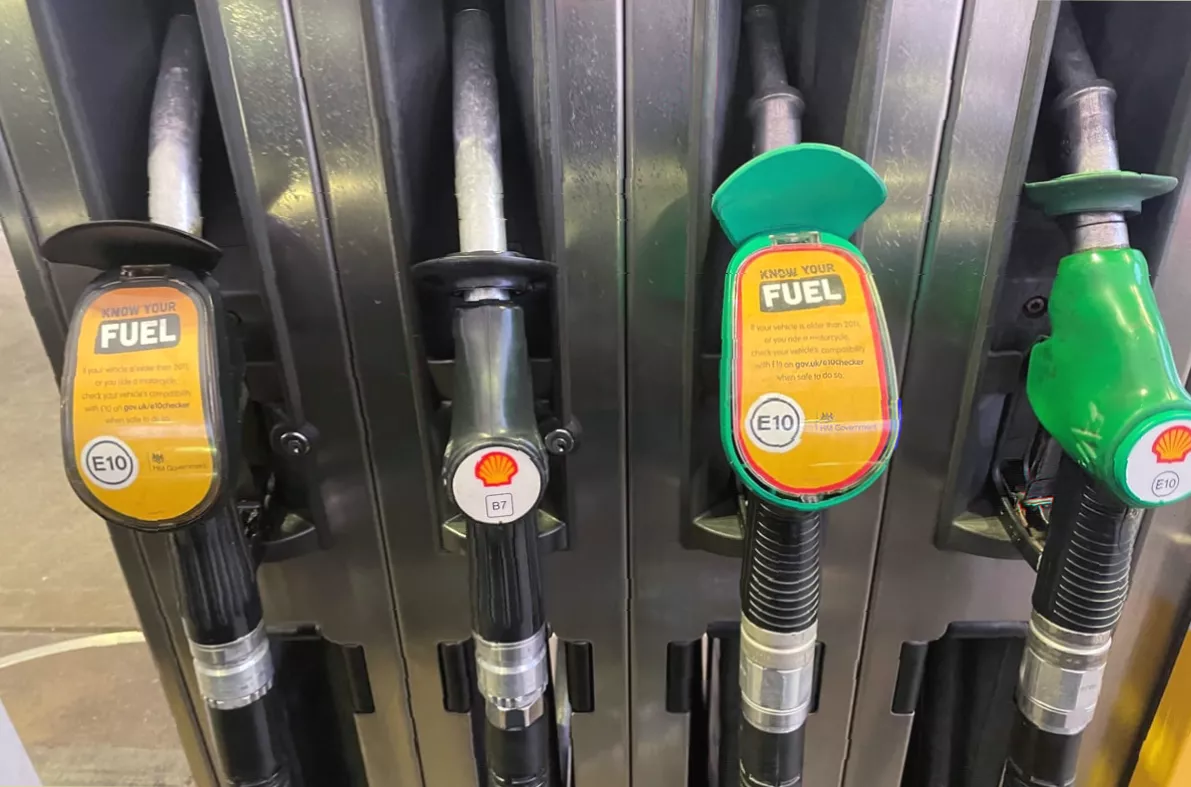
Fuel duty remains a major source of revenue, raising nearly £25 billion in 2024-25 — equivalent to 0.8 per cent of GDP. But that revenue stream is under threat from the accelerating switch to electric vehicles. The OBR forecasts that fuel duty receipts will halve by the 2030s and approach zero by 2050. To address that, the government plans to introduce an Electric Vehicle Excise Duty (eVED) from April 2028.
Wider economic pressures and stakeholder concerns
The decision to scrap the planned rise was driven partly by the broader cost-of-living crisis worsened by Middle East instability. Business group Logistics UK had urged the government to act, warning that rapidly rising fuel costs due to the conflict were straining transport operators and risked pushing prices higher across the economy. Higher transport costs, they argued, would feed into food prices, retail costs, and wider supply chain expenses. The government itself has said that keeping taxes down for drivers and businesses is part of its “right economic plan”, following strong growth at the start of the year.
High fuel prices disproportionately affect car-owning households, particularly those on lower incomes. Yet analysis by the Resolution Foundation has pointed out that maintaining or cutting fuel duty tends to benefit wealthier sections of the population more, since lower-income individuals are less likely to drive. The Office for National Statistics reported a 23 per cent rise in motor fuel prices in the year to April 2026. Economists have warned that a fuel duty increase would have risked adding further upward pressure on inflation.
The government has also launched a “Fuel Finder” initiative, intended to improve price transparency and encourage competition among petrol stations. No details of its impact have been provided.