The new reality of the weekly shop
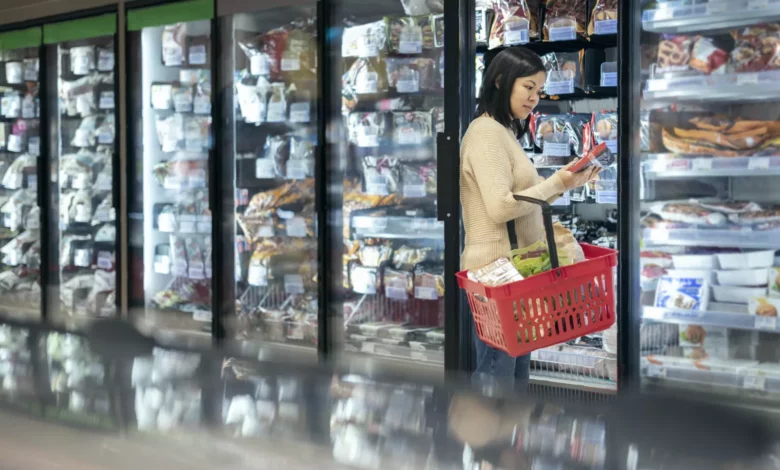
Six years of relentless food inflation have permanently rewritten the way British households fill their trolleys. Research by management consultants McKinsey & Company reveals that the average price of a food shop has surged by 30% in that period — meaning a basket of groceries that cost £100 in 2020 would now set a shopper back around £130. The figure underscores a transformation in consumer behaviour that experts say is unlikely to reverse even as some price pressures ease.
Pieter Reynders, a partner at McKinsey & Company, described the lasting imprint on household habits. “These years of elevated food costs are leaving a lasting imprint on consumer behaviour,” he said. “Even as some inflationary pressures begin to ease, households still feel they need to continually weigh up what represents good value in everyday spending. That means reassessing brands, formats, and price points with a sharper level of scrutiny.”
The shift goes beyond brand-switching. According to research compiled across the industry, six in 10 adults in Great Britain have reduced their spending on non-essential items. Shoppers are following stricter lists, buying more reduced-price goods, trading down to cheaper ingredients, and finding it easier than ever to compare prices online. The cost-of-living crisis has turned the weekly shop into a calculated exercise in value extraction.
Which prices rose in April?
April’s official inflation data offered some relief at the headline level — the Consumer Prices Index (CPI) fell to 2.8% in the 12 months to April, down from 3.3% in March and below economists’ expectations of 3.0%, according to the Office for National Statistics. The broader CPIH measure, which includes owner-occupiers’ housing costs, dropped to 3.0% from 3.4%. It was the lowest annual inflation rate since March 2025.
Yet beneath that top-line figure, households faced a barrage of painful price rises. Sarah Coles, head of personal finance at AJ Bell, cautioned: “While energy prices have dragged down the overall headline figure, lurking in the data are a myriad of painful price rises.”
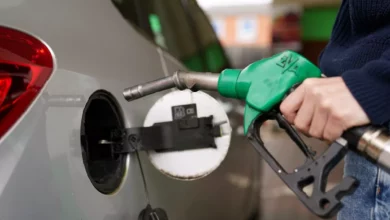
Motor fuel costs led the charge. Petrol prices shot up by 16.6 pence per litre between March and April, reaching 156.8p — the highest since November 2022. Diesel rose even more sharply, by 31.3 pence per litre to 190.0p, the highest since July 2022. Overall motor fuel prices climbed by 23% in the year to April, the steepest annual increase since September 2022. The surge was driven by the conflict in the Middle East, which began at the end of February, disrupting oil and gas supplies and pushing global crude oil to around $110 a barrel. The ONS noted that the rise in motor fuels was partially offset by falling air fares and a downward effect from vehicle excise duty.
Heating oil users also felt the pinch. Prices rose by 8.5% in April alone, compared with a fall of 7.7% a year earlier, as the war in Iran tightened supply. Water bills increased by 9% year-on-year, while sewerage costs rose 5.8% — though these rises were much lower than the 26.4% and 25.9% hikes seen in April 2025.
Food and non-alcoholic drink inflation eased to 3.0% in the year to April, down from 3.7% in March. The slowdown was driven by five of the 11 food categories: meat; sugar, jam, honey and confectionery; oils and fats; coffee, tea and cocoa; and soft drinks. However, price pressures intensified for vegetables, milk, cheese and eggs. Clothing and footwear rebounded from deflation, with prices rising 0.7% annually after a 0.8% fall in March.
The easing of overall inflation was largely delivered by housing and household services, whose 12-month rate dropped to 3.0% from 4.3%. Electricity prices fell by 8.4% in April compared with a 2.9% rise a year earlier, after Ofgem’s energy price cap was cut by 7% on 1 April. The average household paying by direct debit now pays £1,641 per year for dual fuel, £117 less than the previous quarter. The cap reduction reflected lower global wholesale energy prices in the assessment period before the Middle Eastern conflict, as well as the government’s decision to move green levies from household bills to general taxation.
Yet economists warn the relief may be fleeting. The Bank of England had previously forecast inflation to fall to around 2% in April, but those projections were shattered by the Iran shock. The Monetary Policy Committee now envisages a worst-case scenario in which inflation could hit 6.2% by early 2027 if energy prices stay elevated. The International Monetary Fund projects a peak of just below 4% by the end of 2026. Deutsche Bank’s chief UK economist, Sanjay Raja, noted that dual fuel bills are not expected to rise until the summer and that “rising food and core goods inflation … will also push momentum a tad higher.”
Producer prices, a leading indicator of future consumer costs, are already climbing. The ONS reported that producer input prices rose 7.7% in the year to April, up from 5.3% in March, driven by crude oil and refined petroleum. Output (factory gate) prices increased by 4.0%, up from 3.0%. The Import Price Index jumped 8.0% year-on-year, compared with 4.1% in March.
Protecting your savings in an inflationary environment
With inflation still well above the Bank of England’s 2% target, and interest rates held at 3.75% in April, savers face a continuing battle to preserve the spending power of their cash. The average savings rate currently stands at 3.55%, according to Moneyfacts. While that is below the headline CPI figure of 2.8%, it is only just above it — and inflation is expected to climb again.
Encouragingly, the number of accounts that beat inflation has risen significantly. Moneyfacts data shows there are now 1,806 savings accounts — including 202 easy access, 178 notice accounts, 180 variable rate ISAs, 410 fixed rate ISAs and 836 fixed rate bonds — that offer returns above the current CPI rate. A year ago, when inflation stood at 3.5%, only 1,326 accounts managed the same feat.
Caitlyn Eastell, personal finance analyst at Moneyfactscompare.co.uk, urged savers to stay active. “Savers need to take a more proactive approach by reviewing deals frequently, making use of their tax-free cash ISA wrappers and avoiding apathy with long standing accounts that pay below average returns,” she said.
Harriet Guevara, Chief Savings Officer at Nottingham Building Society, stressed the importance of building resilience. “With continued uncertainty around inflation and interest rates, building financial resilience should remain a priority,” she said. “Whether it’s creating an emergency fund, saving towards a home or planning for the future, taking proactive steps now can help households feel more secure in the months ahead.” She recommended an emergency fund covering three to six months of essential spending, and urged households to review whether they are earning competitive rates on their savings and making full use of tax-free allowances.