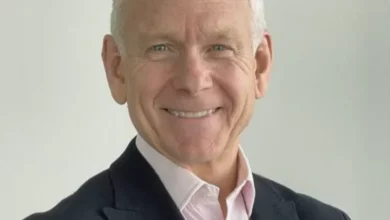
A former Asda boss and member of the Lords has branded reported government plans to impose price caps on essential groceries as “idiotic” and “unworkable”, warning the intervention would backfire on ministers. Speaking on BBC Radio 4’s Today programme, Lord Stuart Rose said the whole idea was “the stuff of nonsense” and would “never fly”, likening it to “state control”.
Lord Rose, who ran the supermarket chain for several years, said he wanted to know “who is going to pay the bill, who decides what products, who polices it, who is involved, is it small retailers, big retailers”. He argued that free market economies work best and that any attempt to push into one side of the market would produce unintended consequences elsewhere. “It’ll backfire and it’s impossible to police,” he said. “It’s unworkable.” He also rejected suggestions that supermarkets were profiteering, noting that their profits had fallen in recent months.
The comments came after reports that the Treasury had been urging supermarkets to voluntarily cap the price of everyday items such as bread, eggs and milk. According to sources, the government was prepared to offer incentives in return, including an easing of packaging regulations and a possible delay to forthcoming rules on healthy foods. The aim was for cost savings from deregulation to be reinvested in stabilising grocery prices. Some sources indicated the plan had originated directly from Number 10.
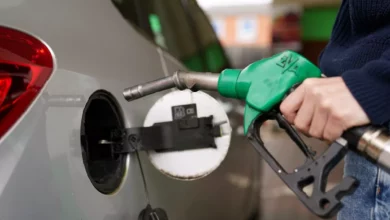
The backdrop to the proposals is the ongoing conflict in Iran, which officials fear will drive up household bills for millions of families already grappling with a cost-of-living crisis. New data from the Office for National Statistics on Wednesday showed the rate of Consumer Prices Index inflation had fallen to 2.8 per cent, down from 3.3 per cent in March, partly thanks to a reduction in the household energy price cap. But economists widely agree that progress is likely to stall as the Iran war pushes up global energy costs. The Bank of England has forecast that food inflation could rise to 7 per cent by the end of 2026. Brent crude has been trading at around $120 a barrel, and the closure of the Strait of Hormuz has triggered a crisis in the global fertiliser industry while driving up shipping and distribution costs. Motor fuel prices have risen at their fastest rate in nearly four years.
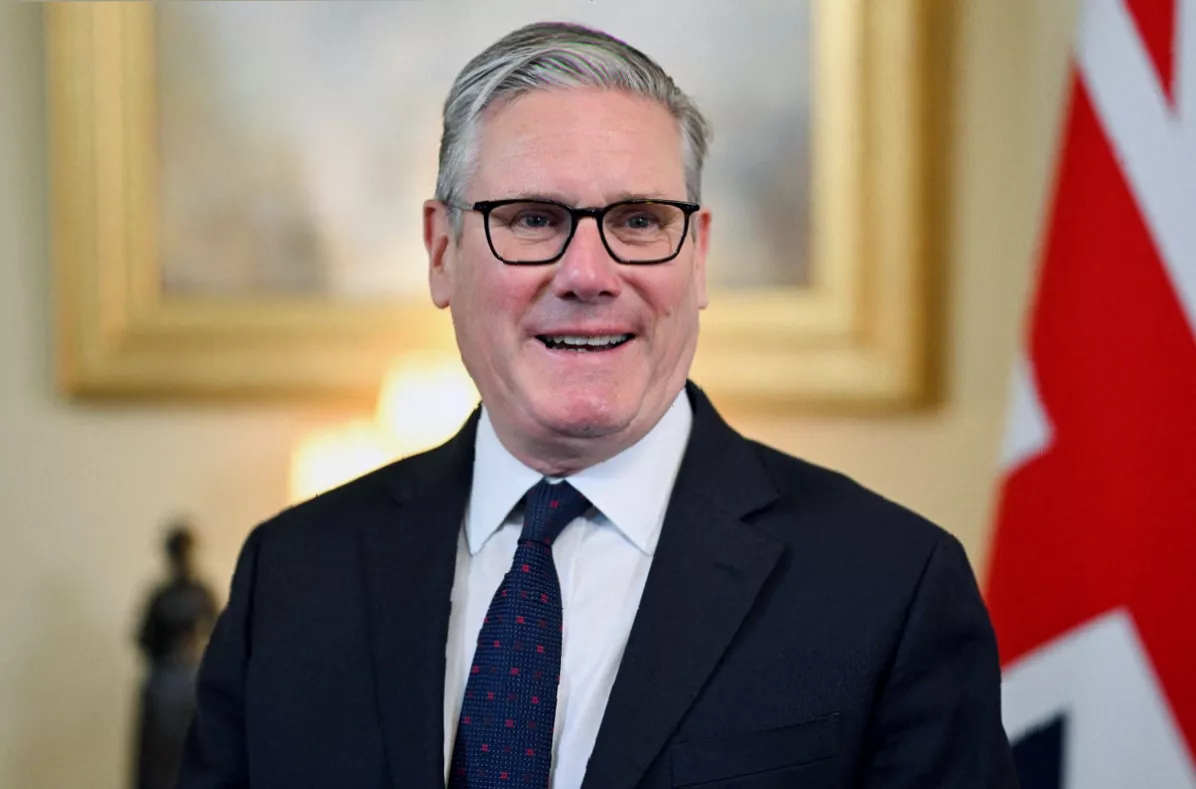
Despite the reports, Treasury minister Dan Tomlinson has repeatedly insisted that the government is “not looking” to impose mandatory price caps. “This isn’t something we’re looking at,” he told Sky News, adding that ministers were instead exploring “different ways that we can help households”. He said he had seen no evidence of “significant price gouging” in the supermarket sector, describing it as “a highly competitive and important industry”. However, he argued that stronger powers being given to the Competition and Markets Authority would allow it to scrutinise market behaviour more closely during future shocks.
The government’s alternative approach includes plans to give the CMA enhanced powers to “name and shame” companies with unjustifiable profit margins during crises and to form working groups with other regulators to monitor market responses. Chancellor Rachel Reeves is also expected to announce further cost-of-living measures, widely reported to include the cancellation of the fuel duty increase scheduled for autumn.
The proposed price caps drew fierce criticism from across the retail industry. Helen Dickinson, chief executive of the British Retail Consortium, described them as “1970s-style price controls” and warned they could force retailers to sell goods at a loss. She said the government should focus on reducing the public policy costs that drive up food prices. M&S boss Stuart Machin called the proposals “completely preposterous” and urged ministers to cut tax and regulatory burdens instead. Another supermarket executive, speaking anonymously, labelled the idea “completely mad” and an “unnecessary, unwanted and unjustified intervention in the market”.

Sanctions easing stirs further controversy
The price cap debate unfolded alongside a separate row over the government’s decision to ease some sanctions on Russian oil. A trade licence issued on Wednesday allows the import of jet fuel and diesel refined in third countries, a move the Treasury said was time-limited and designed to protect the UK national interest amid the supply disruptions caused by the Iran conflict. Tomlinson argued it was possible to maintain strong sanctions against Russia while taking “responsible choices” to prioritise domestic family finances and the availability of fuel for freight and business.
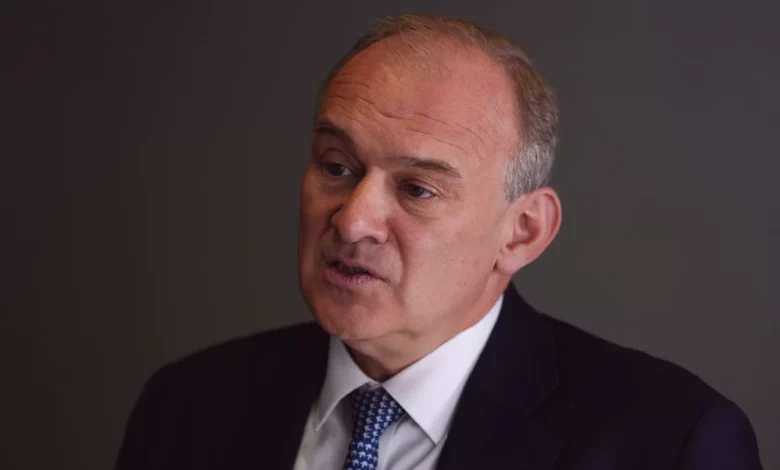
The decision drew sharp condemnation from Conservative leader Kemi Badenoch, who called it “insane”. She noted that Labour MPs had voted against new North Sea oil and gas licences while the country was now importing Russian oil refined elsewhere. “After 18 months of ‘standing up to Putin’ the Labour govt quietly issued a licence allowing imports of Russian oil refined in third countries,” she wrote on social media. Dame Emily Thornberry, chair of the Foreign Affairs Committee, said the people of Ukraine had been “very let down” by the move. She pointed out that Ukraine had reduced Russia’s oil refining capacity by 10 per cent through its own attacks and that continued pressure was “crippling their economy”. Lib Dem leader Sir Ed Davey acknowledged a “trade off” between cost-of-living pressures and support for Ukraine, while the government insisted the change was a targeted response to the Iran war rather than a weakening of its overall sanctions regime. Industry expert Robin Mills, chief executive of Qamar Energy, suggested the move sent a negative signal that sanctions on Russia could be weakened due to other crises, and doubted it would bring down UK prices. The United States has also extended a sanctions waiver for Russian oil shipments, a step criticised by the European Union, whose economics commissioner Valdis Dombrovskis said it was not a time to “ease pressure on Russia”.