UK food exporters will no longer need costly veterinary certificates for EU trade from mid-2027, the government has announced, in the first confirmed result of Sir Keir Starmer’s “reset” negotiations with Brussels.
The change, detailed in guidance published by the Department for Environment, Food and Rural Affairs (Defra), will eliminate the requirement for export health certificates (EHCs) for all meat – fresh, frozen or processed – as well as for plants and wood packaging material. Businesses selling into Northern Ireland will also no longer need health labels. The agreement, still being finalised, is a sanitary and phytosanitary (SPS) deal that will also cover rules on food additives and colourings, animal breeding certificates, pesticides, vaccination residues, organic products and farm feeds.
What the deal covers
Since the UK left the EU in 2020, exporters have been required to obtain veterinary certificates for each consignment, costing between £120 and £200, with additional charges for weekend or holiday work. The British food industry has spent more than £200 million on EHCs since controls began in January 2021, with over one million certificates issued by the Animal & Plant Health Agency. The Chilled Food Association estimated that in the year to November 2021, new EHC requirements cost at least £60 million in paperwork alone.
The new SPS framework involves the UK “dynamically aligning” with a wide body of EU legislation, meaning that products meeting only current UK standards may no longer be compliant if those standards have diverged. This has raised concerns among some pro-Brexit politicians and business leaders that the UK could become a “rule taker” again, potentially affecting businesses that do not export to the EU. Defra has said it expects the deal to add up to £5.1 billion a year to the economy, support British jobs and slash red tape for farmers, producers and businesses.
The cost of post-Brexit paperwork
The announcement is also intended to encourage the estimated 16,000 companies that stopped exporting to the EU after Brexit because of excessive bureaucracy to resume trade. The impact of the red tape has been stark: analysis shows a 37.4% drop in sales of farm products to the EU between 2019 and early 2026. The Food and Drink Federation reported a 34% decline in overall food export volumes to the EU in 2024 compared with 2019. Another estimate suggests a 23.4% decrease in food exports to the EU over the last five years compared with the pre-Brexit period, representing almost £4 billion in lost trade.
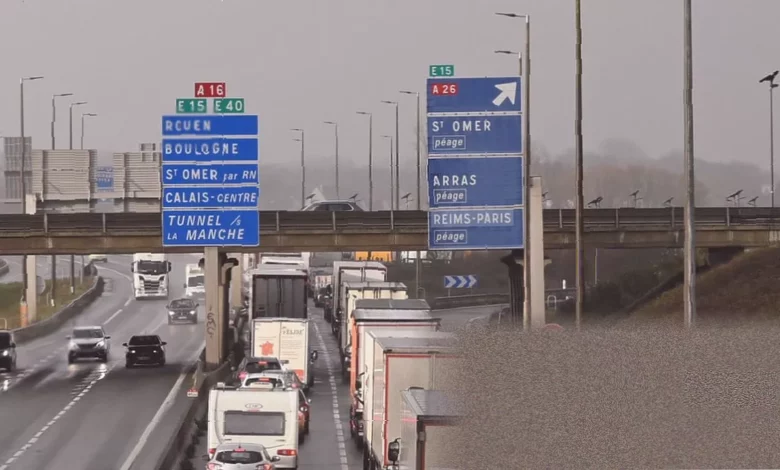
Toby Ovens, managing director of Broughton Transport Solutions, told the business and trade committee in January that his company now needed 26 sheets of paperwork – instead of just one before Brexit – to prove to French authorities in Calais that the beef he was transporting met EU standards. Lorries carrying frozen beef could be detained for up to a month if a single document was incorrect. Describing one episode of “pure hell”, he recalled a British vet chasing a lorry down the motorway towards Eurotunnel to issue replacement certificates after French officials refused to accept forms issued by the UK government confirming the cargo was free of bovine spongiform encephalopathy (mad cow disease).
Businesses dealing with short shelf-life products have been particularly affected by delays, making exports to the continent largely unviable. Small and medium-sized enterprises have been disproportionately hit by the bureaucracy and costs. The number of EU vets registering to work in the UK has also dropped significantly since 2019, exacerbating demand on the existing veterinary workforce.
The biosecurity minister, Sue Hayman (Baroness Hayman of Ullock), said the deal was “great news for British food and drink businesses of all sizes”. She added: “By cutting unnecessary delays and paperwork at the border, the agreement will make it easier for businesses to sell our world-class produce to European customers, support jobs and help ease pressure on food prices for families.”
Negotiations over the SPS agreement, which also aims to facilitate smoother movement of agri-food goods from Great Britain to Northern Ireland under the Windsor Framework, are expected to conclude in time for the next EU-UK summit, pencilled in for 13 July. The government has said it is working toward a mid-2027 start date and wants businesses in the agri-food sector to start preparing now. Lady Hayman said: “We are working hand in hand with food and farming businesses up and down the country to make the most of this opportunity and want every British producer – whether they currently trade with the EU or not – to be ready to seize the benefits this deal will unlock.”