Three confirmed cases of meningitis B among teenagers in Dorset have prompted a targeted vaccination programme for secondary school students across parts of the county, the UK Health Security Agency has announced.
The cases occurred between 20 March and 15 April, with two students from Budmouth Academy in Weymouth—who are known contacts of each other—and a third young person who attends Wey Valley Academy. All have been treated and are recovering well. No direct link has been established between the cases at the two schools, which may suggest this particular strain of MenB bacteria is transmitting more widely among young people in the area.
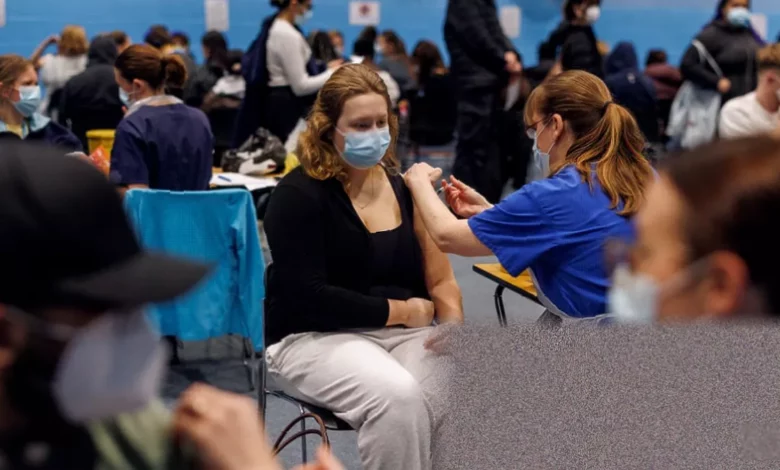
As a precaution, close contacts of the confirmed cases have already been offered preventative antibiotics. The public health response has now been expanded: all secondary school students in Years 7 to 13 across the Weymouth, Portland, and Chickerell areas are being offered both antibiotics and the MenB vaccination.
Understanding the disease: signs, transmission, and risk
Meningococcal disease, commonly known as meningitis, is an infection of the protective membranes surrounding the brain and spinal cord. Meningitis B (MenB) is the most common bacterial form, with approximately 300 to 400 cases diagnosed in England each year, though outbreaks are rare.
The disease can progress with alarming speed, making awareness of its symptoms critical. According to the UKHSA, these can include fever, headache, rapid breathing, drowsiness, shivering, vomiting, and cold hands and feet. Other key signs are a stiff neck, a dislike of bright lights, and a distinctive rash that does not fade when a glass is rolled firmly over it—the so-called “glass test”. Medical help should be sought immediately if meningitis is suspected.
Meningococcal bacteria are spread through close and prolonged contact, such as living in the same household, kissing, or sharing drinks. They are not as contagious as viruses like the common cold or COVID-19. Teenagers and young adults aged 15-24 are considered a higher-risk group due to higher carriage rates of the bacteria and increased social contact, including living in shared accommodation.
Vaccination context and comparison to Kent
The current MenB vaccination programme on the NHS is primarily for babies born on or after 1 May 2015, with a catch-up offer available up to age two. Most teenagers and young adults are not routinely eligible unless they have specific high-risk medical conditions or are identified as close contacts during an outbreak. A separate vaccine, MenACWY, which protects against four other meningitis-causing strains, is offered to teenagers around age 14 and to university entrants.
The UKHSA has been clear that the Dorset cases are not linked to the significant meningitis outbreak in Kent earlier this year, which involved two student deaths and 21 confirmed cases. While the Dorset cases involve the same broader type of MenB bacteria, they are a different sub-strain.
Dr Beth Smout, UKHSA deputy director, stated: “Meningococcal disease does not spread easily, and outbreaks like we have seen recently in Kent are rare. These cases are not linked to the Kent outbreak, and it is important to be aware that this outbreak is not on the same scale as we saw in Kent in terms of speed of transmission or severity.” The Kent outbreak was described by experts as the quickest-growing spread they had ever seen.
The public health response in Dorset is being led by the UKHSA in partnership with Dorset Council and the NHS. The agency continues to emphasise that, while serious, meningococcal disease outbreaks remain uncommon.