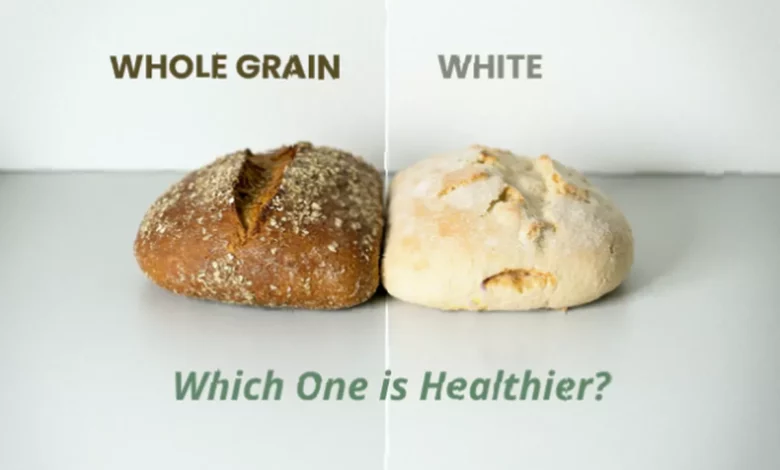
When reaching for a loaf, the health-conscious choice is often clear: whole grain bread is typically the superior option, primarily due to its higher fibre content. However, the journey from grain to sliced loaf involves a series of refinements and regulations that create a significant nutritional gulf between a standard white slice and a true whole grain alternative.
The Anatomy of a Grain: What Refinement Removes
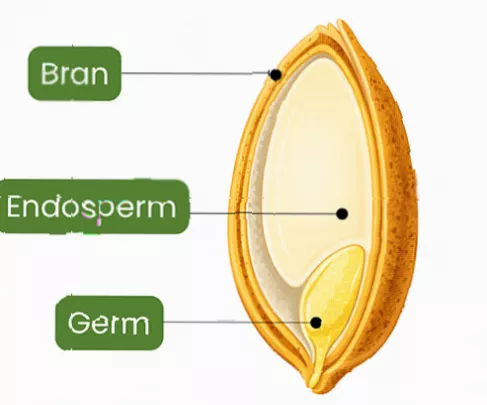
The key difference lies in how much of the original grain is used in the flour. A whole grain retains three distinct parts: the fibrous outer bran, the nutrient-rich germ, and the starchy endosperm. White bread is made from flour that has been stripped of the bran and germ, leaving mostly the endosperm. This refining process removes most of the grain’s natural fibre, along with a host of vitamins, minerals, and beneficial plant compounds. The aleurone layer, often included in whole grain flour, is particularly rich in magnesium, iron, zinc, and ferulic acid.
Beyond fibre, whole grains offer a broader nutritional profile, including polyphenols with anti-inflammatory properties that benefit heart and brain health. While white bread is often fortified—UK law mandates calcium carbonate, iron, niacin, and thiamin in non-wholemeal flour, with folic acid to be added from 13 December 2026—this only restores a handful of the many nutrients lost during milling.
Decoding the Label: Wholemeal, Whole Grain, and Brown
Navigating bakery shelves requires understanding specific terms. In the UK, “wholemeal” is the clearest guarantee, legally defined as bread made with 100% wholemeal flour. “Whole grain” is a broader term that doesn’t always mean 100% whole grain, while “brown bread” is the least reliable, often coloured with additives rather than being truly whole grain. In the US, standards are less stringent; bread only needs 50% wholemeal flour to be sold as “wholemeal,” and “whole wheat” is the more common term for loaves made from whole wheat flour.
This regulatory landscape is part of a wider divergence between UK and US bread production. European regulations ban many additives common in American bread, such as potassium bromate and azodicarbonamide. British flour is also typically unbleached, retaining more natural colour and nutrients compared to often-bleached American flour.
Blood Sugar and the Importance of Processing
The impact on blood sugar is where processing matters as much as ingredients. Refined white bread, made from finely milled flour, is digested quickly and tends to have a higher glycaemic index (GI), causing a sharper rise in blood glucose. However, not all whole grain bread is equal. A soft, heavily processed whole grain loaf made from finely ground flour can behave similarly to white bread.
Research indicates that factors beyond the whole grain label can modulate this effect. Sourdough fermentation, particularly over longer periods, can improve digestibility and may lower the GI due to the organic acids produced. Studies also suggest that denser bread with reduced volume can lead to a lower GI and increased satiety. Interestingly, one small study found that freezing and then toasting bread lowered its glycaemic response compared to fresh white bread.
Gut Health and the Fibre Advantage
The higher fibre content in whole grain bread plays a crucial role in gut health. Whole-grain and fermented breads support a healthy gut microbiome, increasing microbial diversity and promoting beneficial bacteria involved in producing short-chain fatty acids. Conversely, processed white bread with low fibre content can negatively impact gut flora, potentially leading to inflammation and poor digestion. This has spurred interest in “functional foods” like postbiotic-enriched sourdough aimed at delivering specific gut benefits.
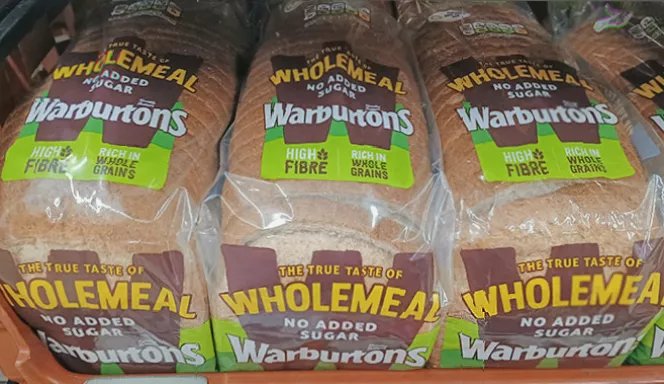
For consumers, the most immediate difference is visible on the nutrition label. While calorie counts per slice can be similar—and sometimes misleading due to slice size—the fibre gap is consistently substantial. UK labelling per 100g provides a fair comparison, revealing that the calorie difference is often minimal, but whole grain loaves can contain multiple times the fibre of white bread. This aligns with broader health guidance; institutions like Harvard note that whole grains are linked to better weight control, while refined grains are associated with weight gain over time.
Current trends reflect a growing consumer focus on these details. There is a marked push for high-fibre products, with some manufacturers enhancing white bread with added fibre. Simultaneously, demand for “clean label” products with simple, natural ingredients is rising, with sourdough often seen as a benchmark. Despite economic pressures, a segment of consumers views premium, health-focused bread as an affordable treat, indicating a willingness to pay for perceived quality and benefits.
Ultimately, choosing a true whole grain or wholemeal loaf over a standard white one delivers more fibre, a broader spectrum of nutrients, and better support for long-term health and gut function. The most reliable method is to look past colour and marketing—terms like “brown” are unhelpful—and check for “wholemeal” on UK packaging or the ingredients list, where whole grain flours should appear first.