Falls kill over 11,000 people annually in the UK, according to research by the Royal Society for the Prevention of Accidents (RoSPA), making them the leading cause of accidental death in the country. More than 9,000 of those who die are aged 75 and over, and the crisis is deepening: the rate of deaths from falls rose by 12% in a single year. In 2023 alone, falls led to nearly 450,000 A&E attendances in England, with 340,000 of those involving people over 65. The human cost is matched by a staggering financial one: the NHS faces costs exceeding £2.3 billion annually, including £1.1 billion for hip fractures alone, which consume 1.8 million hospital bed days each year — a figure that excludes social care costs. Unaddressed fall hazards in homes are estimated to cost the NHS a further £435 million annually.
The complexity of prevention
Falls are not an inevitable consequence of ageing, RoSPA stresses. They result from a complex interplay of medical conditions — such as Parkinson’s disease or dementia — medication side effects, physiological changes including poor eyesight, loss of muscle strength and balance issues, environmental hazards like poor lighting and slippery surfaces, and lifestyle factors such as inactivity or excessive alcohol consumption. Effective prevention therefore requires a detailed multifactorial assessment that takes into account a person’s living environment, access to networks of support, and physical and mental health. Such an assessment demands not only specialist expertise but far more time than is available within a short GP appointment.
The scale of the shortfall is stark. A report by the House of Commons’ Public Accounts Committee found that GPs in England are “overloaded” and unable to adequately address falls risk in older people. Increased pressure from government priorities — including digital access — has eroded the time available for proactive care for frail patients. In 2024/25, only 17% of patients over 65 were assessed for frailty, and just 18% of those with severe frailty received a fall risk assessment. This means the vast majority of older people at greatest risk are not being identified or supported, despite clear guidance from the National Institute for Health and Care Excellence (NICE) on falls assessment and prevention.
The case for investment
RoSPA is calling for equitable access to falls and fracture liaison services (FLS), which proactively identify patients who have suffered a fragility fracture — a fracture from a fall from standing height or less — and assess their risk of future fractures. These services are cost-effective and can reduce the incidence of further fractures. The government has committed to achieving 100% coverage of FLSs in England by 2030, but RoSPA warns that without such targeted support, fatal falls will continue to rise. Jules Robinson of RoSPA said: “Falls are preventable, and should not be regarded as just an inevitable part of ageing.”
Comprehensive access to physiotherapy could prevent nearly 200,000 falls and save the NHS more than £275 million each year, research suggests. For every £1 spent on physiotherapy for falls prevention, the NHS could save £1.50. Yet rehabilitation services are being held back by workforce shortages, recruitment freezes, and a loss of clinical space and resources. Sara Hazzard, co-chair of the Community Rehab Alliance, said: “If the government is serious about preventing falls and reducing pressure on the NHS, it must invest in rehabilitation and the physiotherapy workforce. Prevention saves money – if services have the capacity to deliver it.” Evidence-based strength and balance exercise programmes, such as ‘Stay Active and Independent for Life’ (SAIL) and ‘A Matter of Balance’, can reduce the risk of falls by up to 55%. Tai Chi has also shown effectiveness. Home adaptations — installing grab rails, widening doorways, improving lighting — are another proven intervention, with research showing falls are more likely in older, frailer individuals, those living in more deprived areas, and women. RoSPA provides extensive advice on making homes safer through its ‘Fall Fighter’ awareness sessions.
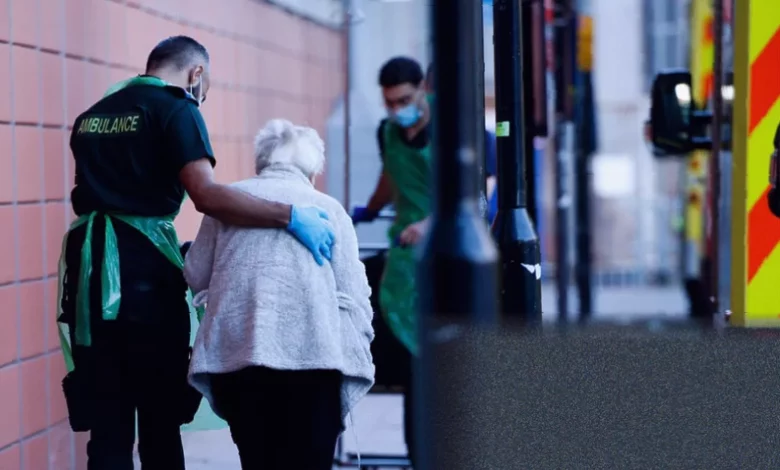
The Association of Ambulance Chief Executives (AACE) and the British Geriatrics Society (BGS) have launched a National Falls Governance Framework to support integrated care for older people at risk of falling. Meanwhile, NHS England is developing a 10-year plan for health and care with a focus on prevention and community services, which aligns with falls prevention efforts. In the North West, the ambulance service visited over 90,000 fall-related incidents in 2024. Yet the persistent failure to assess and treat those at risk leaves a third of people over 65 — and half of those over 80 — falling at least once a year. Falls remain the most common cause of death from injury in people over 75, and the financial toll reaches an estimated £6 million per day to the NHS and social care combined. Without serious investment in specialist assessment, physiotherapy, home adaptations and fracture liaison services, the number of preventable deaths will only grow.