Nearly nine in ten parents have backed Australian-style restrictions that would prevent children under 16 from holding social media accounts, the technology secretary has disclosed. Liz Kendall told the Sunday Mirror that the response from parents had been “overwhelming” and that they were “crying out for help and support” amid growing concern about the impact of platforms on young people.
The figures emerged from a government consultation titled “Growing Up In The Online World”, which closed on 26 May 2026 and drew more than 80,000 responses. Of those, 42,410 came from parents, with Kendall confirming that nine in ten supported a ban modelled on Australia’s approach. Her comments represent the strongest indication yet that ministers are preparing to introduce such a measure.
Australian-inspired ban and wider restrictions under consideration
Under the Australian law, which came into force in December 2025, individuals under 16 are prohibited from creating or keeping social media accounts. Social media companies face fines of up to A$50 million (£33 million) if they fail to take reasonable steps to prevent under-16s from holding accounts, while parents and children themselves face no penalties.
Ministers in the UK are now weighing a similar prohibition alongside a suite of other measures. The consultation set out options including app curfews, limits on platforms’ most addictive features, restrictions on algorithms, curbs on AI chatbots, and tighter controls on stranger pairing in gaming. Technology secretary Liz Kendall said the government was “looking at a broader range of measures than Australia” and confirmed a ban was “definitely on the table”.
The legislative foundation for any such move already exists. The Children’s Wellbeing and Schools Act 2026, which has faced challenges in the House of Lords, includes provisions allowing the government to introduce age or functionality restrictions for under-16s. Ministers are expected to announce plans in the coming weeks, with Kendall indicating that proposals would be put forward by the summer, legislation could be tabled in autumn 2026, and new restrictions might come into force 12 to 24 months after that — potentially in late 2027 or 2028.
Prime Minister Sir Keir Starmer has pledged action within “weeks, not months”. At a meeting on Tuesday with parents of children whose deaths were linked to social media, he said “the question now is not whether we do something, we are going to act”. The anticipated announcement comes ahead of the Makerfield by-election on 18 June 2026.
Former health secretary Wes Streeting has also criticised inaction, comparing unsupervised social media use by children to giving dangerous tools to toddlers.
Commissioner questions effectiveness and warns of unintended harms
Scotland’s children’s commissioner, Nicola Killean, has raised serious doubts about the effectiveness of a blanket ban. In her submission to the UK government’s consultation, she argued that such a prohibition would do “little to address underlying issues such as exploitative algorithms”. She pointed out that the evidence on bans was “limited, mixed and still emerging” and warned that “blanket restrictions can risk shifting responsibility away from platforms and on to children”.
Killean also highlighted that a ban could disproportionately affect certain groups, including children in rural areas, those with family overseas, disabled children, and young people who rely on online spaces for identity and support — such as those exploring their gender identity or neurodivergent individuals.
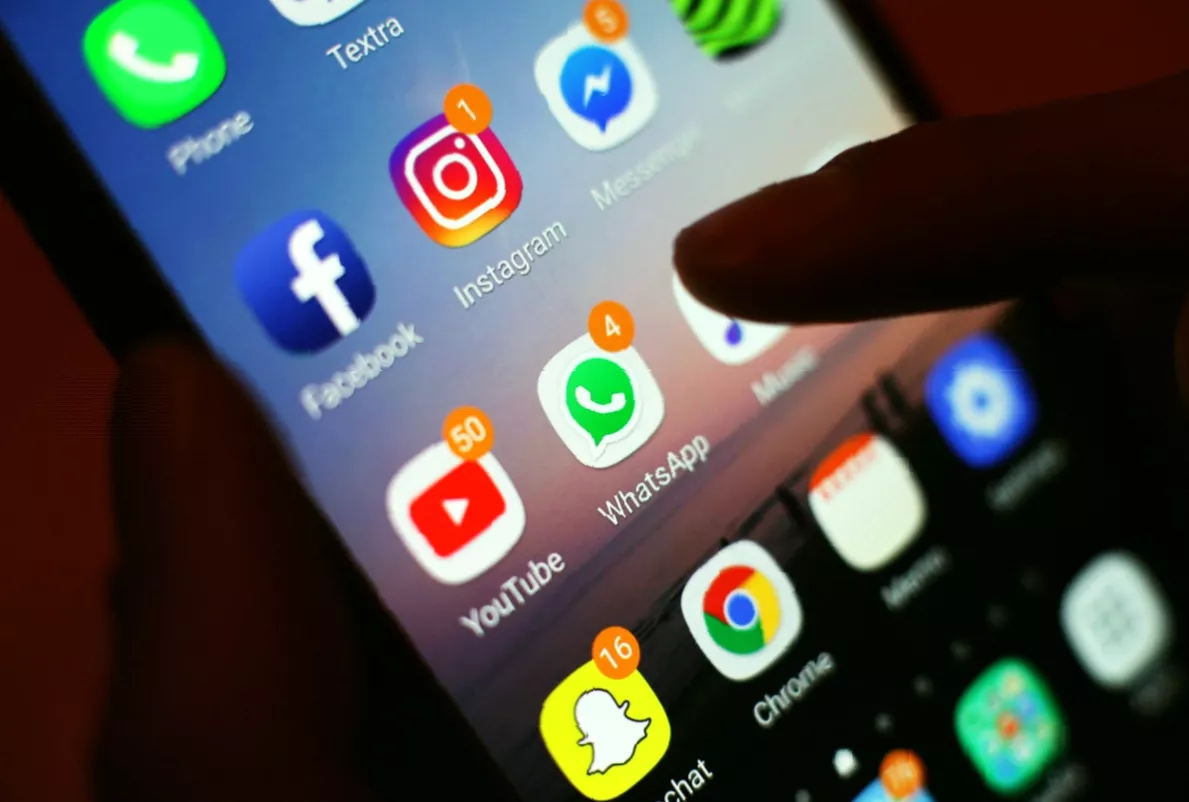
Her concerns are echoed by other organisations. UNICEF Australia has said that improving social media safety is a more effective solution than simply delaying access. The NSPCC and the Molly Rose Foundation have warned that a ban could push issues “further underground”. Ian Russell, the father of Molly Russell, advocates instead for a more nuanced approach: blocking platforms that fail to meet strict safety standards for under-16s while allowing access to “safe” apps. He fears a blanket ban would create a “cliff edge” that exposes teenagers to harmful content on unreformed platforms once they turn 16.
Some teenagers themselves have described proposals for a ban as “incredibly harsh”, arguing that platforms are used for news and staying connected with friends. They suggest a more layered approach with different levels of restrictions and regulation of addictive designs. Many feel a ban would punish them rather than the social media companies that fail to enforce their own safety measures.
The effectiveness of the Australian model itself is already under scrutiny. Research suggests that nearly 75 per cent of Australian 14- and 15-year-olds were not complying with the ban, partly because they perceived low compliance among their peers. Violators faced no penalties, and those who complied reported feeling socially excluded. Teenagers under 16 have also reportedly circumvented the ban, migrating to unmoderated environments where parental controls are absent.
In March 2026, the Australian eSafety Commissioner began investigating major platforms including Facebook, Instagram, Snapchat, TikTok and YouTube for potential violations of the ban, citing insufficient measures to prevent account creation by under-16s.
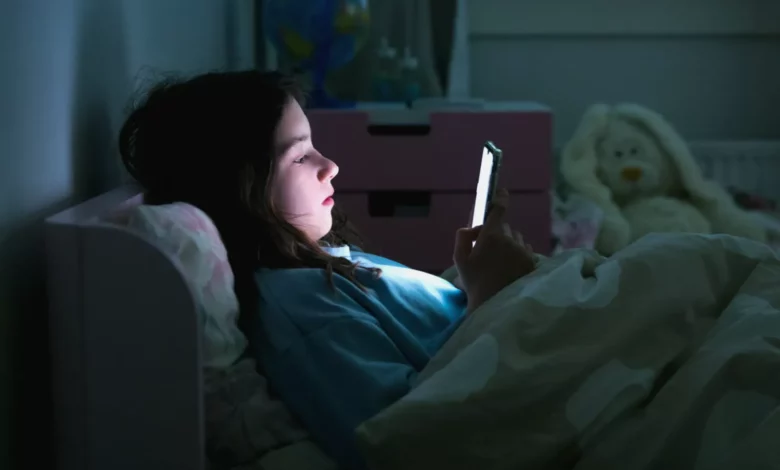
The debate comes against a backdrop of mounting evidence linking social media use to negative mental health outcomes. Extended use — more than three hours per day — is associated with increased levels of depression and anxiety in children and teenagers, with the link stronger in girls. Sleep disruption is a significant factor, while broader research points to associations with behavioural problems, self-injurious thoughts, problematic internet use, lower academic achievement, poorer self-perception, and increased substance use. Campaigners describe the current situation as a “tsunami of harm”.
Yet social media also offers potential benefits, supporting communication, self-expression, access to information, participation, play, and connection with communities and support networks — especially for young people who may feel isolated elsewhere.
The UK already has regulatory tools in place. The Online Safety Act 2023, which became law in October 2023, places duties on tech companies to protect users, especially children, from illegal and harmful content. Children’s safety duties came into force on 25 July 2025, requiring user-to-user services likely to be accessed by children to conduct risk assessments and implement protective measures. The Act also requires age verification or estimation technology to prevent users from accessing primary priority content such as pornography unless they are appropriately aged. Ofcom, the regulator, has powers to investigate and fine non-compliant platforms up to £18 million or 10 per cent of annual turnover.
The Children’s Wellbeing and Schools Act 2026 goes further, empowering the government to introduce age or functionality restrictions for under-16s. As ministers prepare to unveil their plans, the experience of Australia — where compliance is low and circumvention widespread — offers a cautionary tale, while the voices of children’s commissioners, campaigners and teenagers themselves continue to press for a solution that does more than simply shut the door.