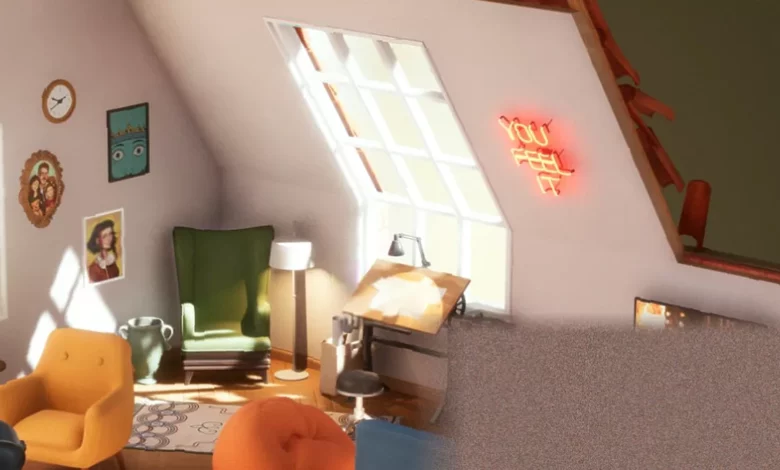
Cosy gaming has seen a massive surge, with releases jumping from 19 to 616 on the distribution platform Steam between 2020 and 2025 alone. The genre, rooted in gentle, low-stakes virtual pastimes like farming, crafting and world-building, has expanded far beyond its origins in social simulation games such as Harvest Moon (1996) and The Sims (2000). Today, it has evolved into a cultural phenomenon, fuelled not just by a desire for relaxation but by something far more pointed: the growing impossibility of owning a real home.
The defining characteristics of cosy gaming are well established: non-violent, mindful gameplay that offers a sense of calm, predictability and creative expression. Players might spend hours tending a virtual farm in Stardew Valley – a game that sold over 50 million copies by February 2026 – or rearranging furniture in a digital living room. The appeal, increasingly recognised for its mental health benefits, is that these games provide a digital sanctuary. Some research even suggests cosy gaming can reduce stress levels comparably to meditation, offering a coping mechanism for anxiety in uncertain times.
But the latest wave of cosy games has zeroed in on a specific fantasy: home-owning. Titles such as Hozy, MakeRoom, Unbox the Room and Renovation Plan allow players to clean, paint, decorate and furnish virtual properties. Hozy, for example, lets players “clean, paint, and decorate abandoned homes with satisfying mechanics and intuitive controls”, with reviews praising its rewarding core loop of transforming cluttered spaces, though some note its brevity and lack of replayability. MakeRoom is a sandbox building game offering freedom to create rooms, gardens and camper vans from a large object library, praised for its creative appeal but criticised for an overwhelming menu. Unbox the Room involves unpacking and arranging items in clients’ homes – compared to the earlier hit Unpacking – yet some reviews call it a less refined version with repetitive items and no narrative depth. Renovation Plan is described as a “relaxing and leisurely home decoration game” where players follow design maps, though some users report game-breaking bugs with progress.
The irony is hard to miss – and it goes a long way to explaining the subgenre’s popularity. These games offer a form of satisfaction to a generation that may never own homes of their own. The housing market has become a source of deep anxiety for young adults across the UK. In 2017, only 35% of 25- to 34-year-olds were homeowners, down from 55% in 1997. The average age of a first-time buyer has steadily risen, reaching 33 years old in 2024 – the oldest in two decades. In England specifically, the average age was 34 years in 2023-24. Strict mortgage lending rules and house prices that have risen far faster than incomes make saving for a deposit increasingly difficult. The proportion of young adults needing more than six months’ income for a 10% deposit has jumped from 33% to 78% over the last 20 years.
As a result, many young people remain in the private rental market – earning them the label “Generation Rent” – or still live with their parents. In the UK, 29% of young adults between the ages of 20 and 34 live with their parents, partly to save on living costs. The “Boomerang Generation” – those who move back home after a spell away – is a direct consequence of housing unaffordability.
It is within this context that virtual home-owning games have found their audience. Real decorating, as many will attest, is boring and hard. But in a game, it becomes a source of control and satisfaction that young people rarely experience in real life. The ability to clean, paint and arrange furniture offers a rewarding sense of accomplishment without the frustration, panic and heartbreak that come with real home ownership – the taxes, subsidence, dry rot, party wall agreements and broken boilers. Cosy gaming provides a predictable sanctuary where players are in charge.
The broader “cosy culture” trend – embracing comfort, nostalgia and a slower pace of life – has been amplified by content creators on TikTok and YouTube, who popularise these games and build communities around them. The rise of these renovation-focused titles directly taps into the aspirations of a generation locked out of the housing market, offering a digital substitute for the independence and personal space that a real home would provide. Government schemes such as the First Homes Scheme, Shared Ownership and the Mortgage Guarantee Scheme have not resolved the fundamental affordability issues, making virtual home ownership an increasingly attractive – if bittersweet – alternative.
So while older generations might point out that actual home-owning is not all it is cracked up to be, the appeal for millennials and Gen Z is clear: in a world where the path to a front door of their own seems blocked, the simple act of moving a bookshelf around on a phone screen offers a fleeting, calming taste of home.