A pioneering medical technique using a patch of a donor’s skin is providing an early warning system for lung transplant patients, potentially allowing doctors to halt organ rejection before it causes serious damage.
At the forefront of this UK trial is Darren White, a 53-year-old from Stockton-on-Tees, who received a lung transplant in late 2024. As part of the research, a small piece of skin from his organ donor was grafted onto his forearm. The principle, according to the Sentinel study coordinating the work, is that this graft acts as a ‘sentinel’, mirroring the health of the transplanted lung inside his chest.
How the ‘Sentinel’ Skin Graft Works
The core innovation lies in the shared biological markers between the donor’s skin and the donor’s lung. The theory being explored by NHS Blood and Transplant (NHSBT) is that if the recipient’s immune system begins to attack the transplanted organ, it will likely also target the genetically foreign skin graft. Crucially, this reaction on the forearm is visible and accessible, providing a potential external clue to internal rejection processes that are otherwise difficult to monitor without invasive procedures.
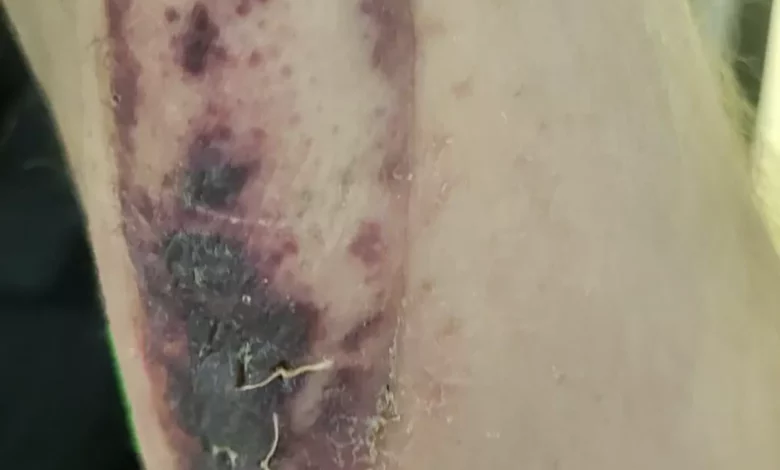
For Darren White, this theory became a tangible early alert. Roughly three months after his transplant, the donor skin patch on his arm developed a distinct rash. This visible sign allowed his medical team to intervene swiftly with steroid treatment to suppress his immune response. The prompt action is believed to have managed the rejection episode before it could progress to harm the new lung.
The Sentinel study, coordinated by NHS Blood and Transplant (NHSBT), is exploring this technique as a new form of monitoring. While the full scope and participant numbers of the trial are not detailed in the available information, Mr. White’s case is cited as one of the first of its kind for lung transplant patients in the UK.
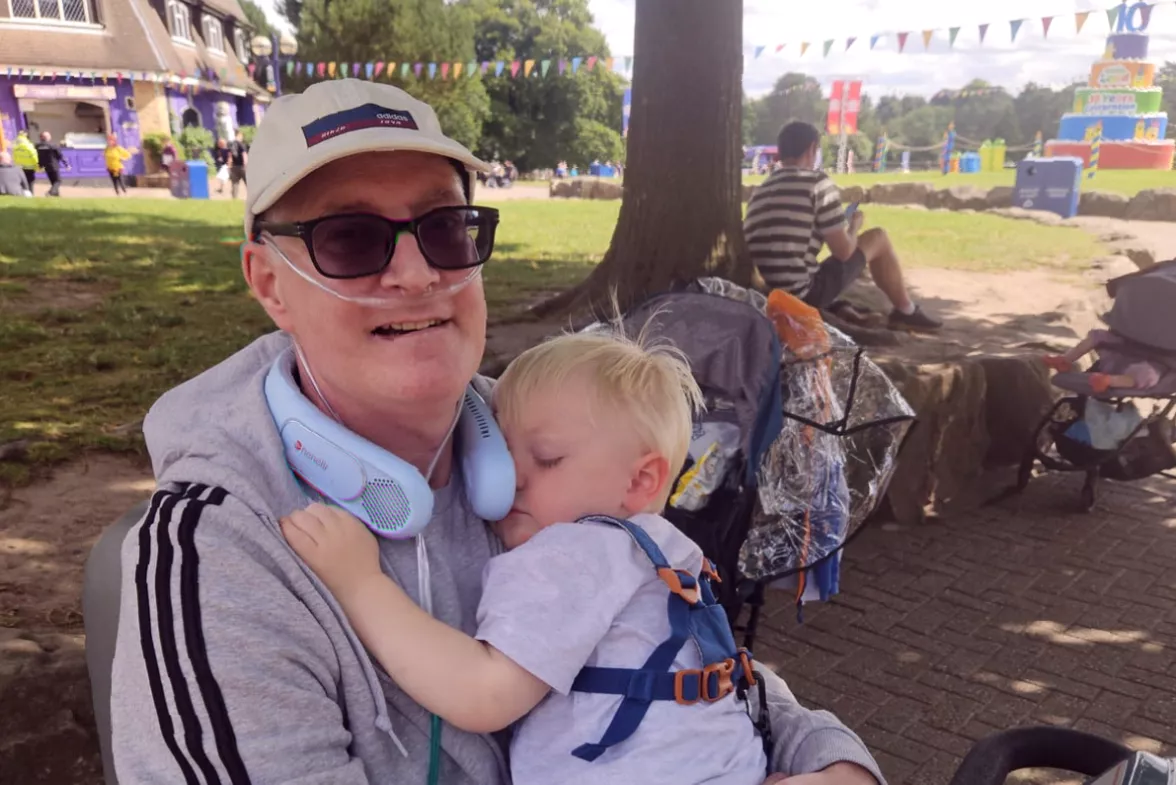
Now, more than a year after his life-changing operation, Mr. White’s recovery has allowed him to return to everyday pleasures. The former bus driver reports enjoying a good quality of life, including simple family activities like taking his three-year-old son, Daniel, to the park.