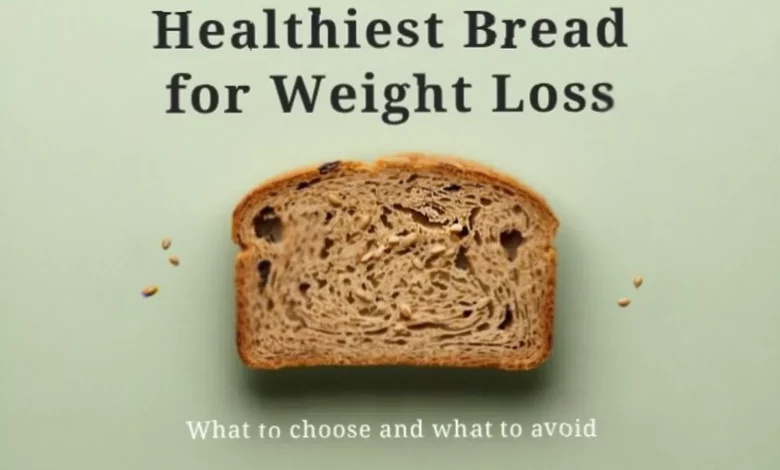
For those watching their weight, the humble loaf presents a daily dilemma, often seen as a dietary foe. Yet nutritionists and emerging research point to a clear guideline: the best bread for weight loss is typically higher in fibre and made from less refined ingredients. This combination is key to promoting feelings of fullness, helping to manage appetite and reduce overall calorie intake.
The Science of Satiety: Why Fibre and Whole Grains Win
When selecting a loaf, the primary goal is to choose one that promotes satiety—the feeling of being satisfactorily full. This is where the nutritional makeup of the bread becomes critical. Higher-fibre breads are significantly more filling, which can help curb snacking and overeating. This is a vital consideration in the UK, where Public Health England data indicates adults average only about 18g of fibre per day, far short of the recommended 30g.
Breads rich in whole grains or wholemeal flour are the most reliable sources of this satiating fibre. The refinement process matters greatly; less refined, coarser grains are digested more slowly than finely milled white flour. This results in a lower glycaemic impact, providing more stable energy and prolonging fullness. While protein content—boosted by seeds or certain grains—can also contribute to satisfaction, it is the fibre content and degree of refinement that are the foundational factors for weight management.
Decoding the Loaf: From Rye to Sourdough
Navigating supermarket labels requires looking beyond marketing terms like “brown” or “artisan.” In the UK, a loaf can only be legally called “wholemeal” if all the flour used is wholemeal, a useful rule of thumb. For other types, scrutiny of the ingredients list and nutrition panel is essential.
Rye bread is frequently highlighted by experts as a superior choice. A Spanish study noted its benefits for weight loss and cholesterol management, attributing this to its high fibre and low fat content. Its low glycaemic index (GI), around 30-40 compared to white bread’s 75, means it raises blood sugar slowly, aiding sustained fullness. Dense, whole grain rye loaves like Biona Organic Rye Bread Chia & Flax or Schneiderbrot Whole Grain Vollkornbrot Rye, noted for their simple ingredients and high fibre, are strong examples.
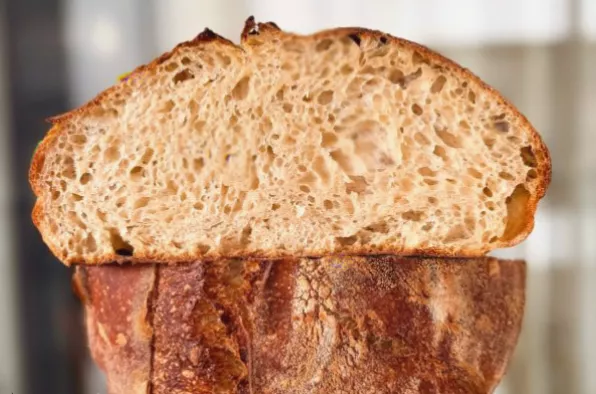
Sourdough’s health halo has some scientific basis. The fermentation process can give it a lower GI (around 54) than standard white bread and may improve mineral absorption. However, its suitability for weight loss still depends on the flour used. A sourdough made from white flour remains a refined option, whereas a whole grain or wholemeal sourdough is a more satiating choice.
Seeded breads can be excellent, with seeds adding texture, nutrients, and helping with fullness, though they also increase calorie density. The base grain remains paramount; a seeded wholemeal loaf is a robust option. Similarly, while low-calorie breads like Hovis Nimble Wholemeal can help manage portion size, they are only beneficial if they still provide adequate fibre and satisfaction, not merely thinner slices.
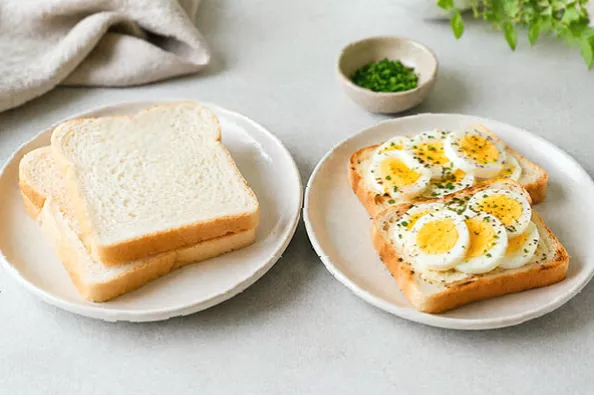
Even white bread can fit occasionally into a balanced diet for weight loss, but it is less helpful as a staple. Scientists are exploring methods to boost its fibre, such as developing a “high fibre white flour,” but currently, its low fibre content and high GI mean it is digested quickly, offering little lasting satiety.
Practical Picks: What to Look For on UK Shelves
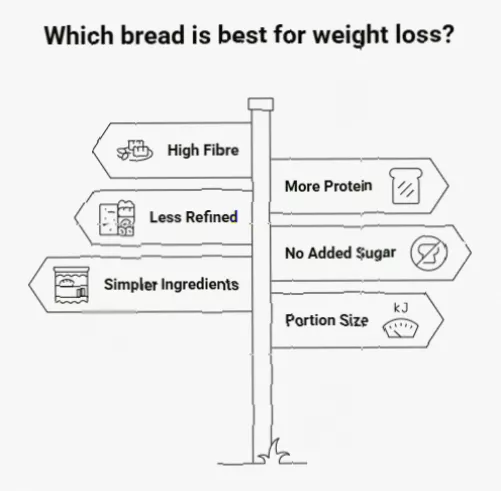
Identifying a good loaf involves a quick check: look for wholemeal, whole grain, or whole wheat flour as the first ingredient, a fibre content of at least 6g per 100g (the NHS benchmark for a high-fibre food), and minimal or no added sugars like syrup or honey.
Several UK-available brands exemplify these principles. For a high-fibre, less-processed rye loaf, Biona Organic Rye Bread Chia & Flax and Schneiderbrot Whole Grain Vollkornbrot Rye are standout options, both with simple ingredients and no added sugar. For those prioritising protein, Jason’s Protein Sourdough Sunflower Seeded Bread offers an unusually high level with no additives, though some nutritionists note similar products can be ultra-processed. Wildfarmed Sliced Seeded Bread, made using regenerative agriculture, offers a balanced profile of fibre and protein.
Among more mainstream choices, Warburtons Wholemeal medium sliced is recognised for its fibre content and flavour, while seeded options like Hovis Seed Sensations provide additional texture and nutrients. For a lower-calorie option, Hovis Nimble Wholemeal or Warburtons Danish Light are formulated to reduce calories while retaining fibre.
Ultimately, the bread itself is only one part of the equation. Portion control matters, and toppings transform its nutritional impact: protein-rich choices like eggs or cottage cheese are far more conducive to weight management than sugary spreads. Choosing a less refined, fibre-rich loaf is a simple, evidence-based step that supports longer-lasting fullness and a healthier overall diet.