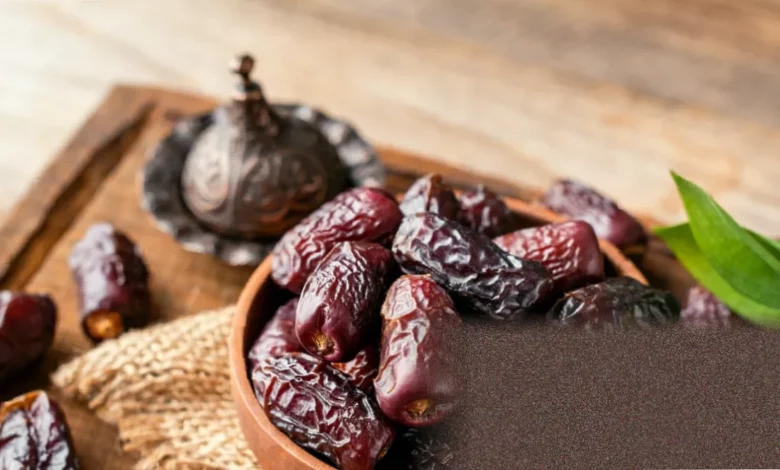
Britons are ditching the afternoon biscuit in favour of a more natural sweet fix, with sales of Medjool dates at Ocado soaring by 100 per cent year-on-year. The online grocer has seen searches for date butter jump by 458 per cent and those for chocolate dates rise by 135 per cent, as the humble fruit cements its place as the go-to 4pm slump buster.
Waitrose is also riding the wave: searches for its no-bake Medjool date, pretzel and peanut butter squares have climbed 60 per cent. The trend mirrors a broader shift in the UK grocery market, where shoppers are prioritising practical, balanced and healthy eating. Demand is growing for nutrient-dense staples such as protein and fibre, even as interest in seasonal diet fads wanes. Own-label products have reached their highest-ever share of sales, with Ocado and Lidl among the strongest performers.
Drivers of the trend
Viral social media recipes have played a pivotal role. TikTok is awash with creations such as “date bark” — flattened dates topped with nut butter, nuts and melted chocolate — and “Snickers stuffed dates”, which mimic the flavours of the popular confectionery bar. Fitness influencers are also promoting energy balls made by blending dates with nuts, oats and plant-based protein powder as an alternative to additive-laden protein bars.
Underpinning the surge is a growing awareness of the UK’s fibre deficit. The NHS recommends adults consume at least 30g of fibre per day, but the average intake hovers around 18-20g. Children also fall short. Two Medjool dates provide more than 10 per cent of the daily target. Fibre is crucial for digestive health, regular bowel movements and reducing the risk of heart disease, stroke, type 2 diabetes and bowel cancer. Dates contain both soluble and insoluble fibre, including prebiotic FOS (fructooligosaccharides), which feeds beneficial gut bacteria.
Consumers are also actively seeking alternatives to ultra-processed foods. Nichola Ludlam-Raine, a spokesperson for the British Dietetic Association and author of How Not to Eat Ultra-Processed, said the trend reflects a shift towards “whole food indulgence”. “While people still want comforting snacks, they are seeking versions perceived as more natural or nutrient-dense,” she explained. Dates, with their caramel-like texture and nutritional profile, fit the bill.
Health benefits and the rise of ‘whole food indulgence’
Dates are packed with essential minerals — potassium, magnesium and copper — as well as vitamins B6 and K and beneficial plant compounds called polyphenols. Their natural sugars provide an instant energy boost, making them a favourite among active individuals. They contain virtually no sodium or fat, aligning with heart-healthy dietary guidelines. The antioxidants in dates can help reduce inflammation and bolster the immune system.
Because of their natural sweetness, dates can reduce the need for added sugars in recipes. However, Ludlam-Raine cautioned that nuance is important. “Nutritionally, these recipes may offer more fibre and micronutrients than traditional sweets, but they’re still ‘treats’,” she said. “Dates are high in natural sugars, so it’s best to pair them with protein or healthy fats to slow the rise in blood glucose. Ultimately, it’s about balance.”
Lizzie Haywood, trend innovation manager at Waitrose, described dates as a “versatile canvas for incredibly indulgent fillings”. Recipe ideas on TikTok have ranged from dates stuffed with salted butter to sticky fried dates drizzled with olive oil and served with tangy yoghurt.
Varieties, cultural significance and sourcing
Most supermarkets sell Medjool dates — often called the “king of dates” for their sweet, chewy flesh and caramel-like flavour — sourced from the Middle East, North Africa and Israel. Other varieties include Sukkari dates, known as “royal dates” for their golden colour and honey-like taste, and Ajwa dates, which are exclusively grown in Medina, Saudi Arabia, and have a rich liquorice flavour. Deglet Noor dates are valued for their fibre content and natural laxative properties.
Dates hold deep cultural and religious significance. They are traditionally used to break the fast during Ramadan, following the practice of the Prophet Muhammad. Ayesha Erkin, author of the recipe book Date of the Day, said her curiosity was sparked by a hadith about the Prophet pairing fresh cucumbers with dates. Another hadith records him eating melon with fresh dates, explaining: “The heat of the one is broken by the coolness of the other, and the coolness of the one by the heat of the other.” This principle of balancing food temperaments is central to Prophetic medicine (Tibb an-Nabawi). Erkin, who runs date-tasting workshops, now shares recipes such as hot fudge sun-dates (a riff on a sundae) and doughnut dates.
The sourcing of dates is not without geopolitical context. Date production in Palestine has been severely impacted by the Israel-Gaza war and illegal Israeli settlements. The Palestinian food brand Zaytoun reported a 50 per cent increase in UK sales in 2024, reaching £3.2 million. The surge was attributed to customers seeking out its olive oil and dates to show solidarity with Palestinians in Gaza and the West Bank. Zaytoun’s products do not currently carry the Fairtrade mark because security challenges prevent inspectors from conducting the necessary checks.
Ludlam-Raine’s advice remains the same: enjoy date-based snacks as part of a varied diet, but remember they are still treats. “Balance is key,” she said.