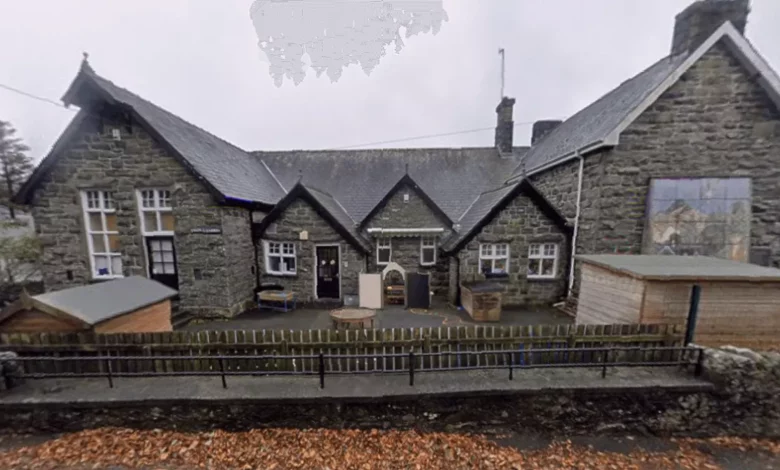
Britain’s smallest primary school is closing after 143 years. Ysgol Y Garreg, a single‑storey school in the North Wales village of Penrhyndeudraeth, will permanently shut its doors on 31 August after Cyngor Gwynedd’s cabinet reached a unanimous decision on 9 June. The local authority had already approved a statutory notice for the closure on 10 February, with an objection period that ended on 24 March.
The decision marks the end of an institution described as “a key part of the community” for more than a century. But the reality of the school’s intake made continued operation impossible. Pupil numbers collapsed by more than 90 per cent in just two years, falling from 17 children to two. Both of the remaining pupils are in Year 6 and will move on to secondary education after the summer break. Currently, Ysgol Y Garreg has no children enrolled in nursery, reception or any year group from one through five. Critically, no families registered their children for the upcoming academic year, leaving the school without a single future enrolment.
The dramatic drop in pupil numbers rendered the school financially unsustainable. According to Cyngor Gwynedd, the annual cost per pupil at Ysgol Y Garreg stood at £21,471 — more than three times the nationwide average expenditure of £5,998 per student. Council officials said the institution was “not sustainable” and could not offer the desired educational experience for children in Gwynedd, with such low numbers hindering the ability to provide a broad curriculum.
Rising costs had heaped mounting financial pressure on the school, and the local authority could no longer justify such disproportionate spending. “Nobody goes into education in order to close schools,” said Councillor Dewi Jones, the cabinet member for education. “Our ambition is to see schools thriving, children succeeding and communities staying strong. However painful it is to acknowledge that, we cannot ignore the facts before us, and in the specific position of Ysgol Y Garreg, it is impossible to ignore the seriousness of the situation.” Councillor June Jones described the closure as “a very sad situation” and noted the school’s long heritage and excellent education provision. Council Leader Nia Jeffreys said the decision was made “with a heavy heart”.
The closure is part of a broader demographic shift in rural Gwynedd. Between 2011 and 2021, the county saw a reduction of more than 1,500 children aged 0–15, and the birth rate dropped by 25 per cent between 2012 and 2022. Across Gwynedd, 25 schools have closed since 2009. The pattern is replicated across rural Wales, where 53 per cent of primary schools have 90 pupils or fewer and are considered potentially unsustainable. Councillor Dilwyn Morgan raised concerns about the impact on the Welsh language, though he suggested larger schools might offer more opportunities for its natural use. Some councillors have expressed fears that school closures could deter Welsh‑speaking families and lead to villages becoming “foreign places”.
Ysgol Y Garreg itself had been praised in an Estyn inspection report from January 2023, which described it as a “caring and familial community” that effectively promotes pupils’ Welshness and well‑being. The report noted good behaviour, positive attitudes to learning, and effective care and guidance. Pupils demonstrated a strong sense of fairness and equality, engaging in charitable activities and enterprise projects. Digital skills and communication in both Welsh and English were also highlighted as developing well.
From 1 September, pupils from the catchment area will attend Ysgol Cefn Coch, also in Penrhyndeudraeth, which currently educates approximately 40 children. (An Estyn inspection in February 2012 recorded Ysgol Cefn Coch with 183 pupils, including 23 part‑time nursery‑aged children, and a budget per pupil of £3,039 at that time.) The transfer will bring to an end 143 years of education at Ysgol Y Garreg, where each of its last two pupils cost the council £21,471 a year — more than three times the national per‑pupil spend of £5,998.