More than 1,000 migrants have crossed the English Channel in the past six days, as the UK swelters under a record-breaking May heatwave.
Between Friday and Tuesday, 1,128 people arrived in the UK via small boats, according to Home Office figures. On Tuesday alone, 139 individuals were detected crossing in two vessels. The year-to-date total now stands at 8,704 – a 36% drop compared with the same period last year and a 17% decrease on the same point in 2024.
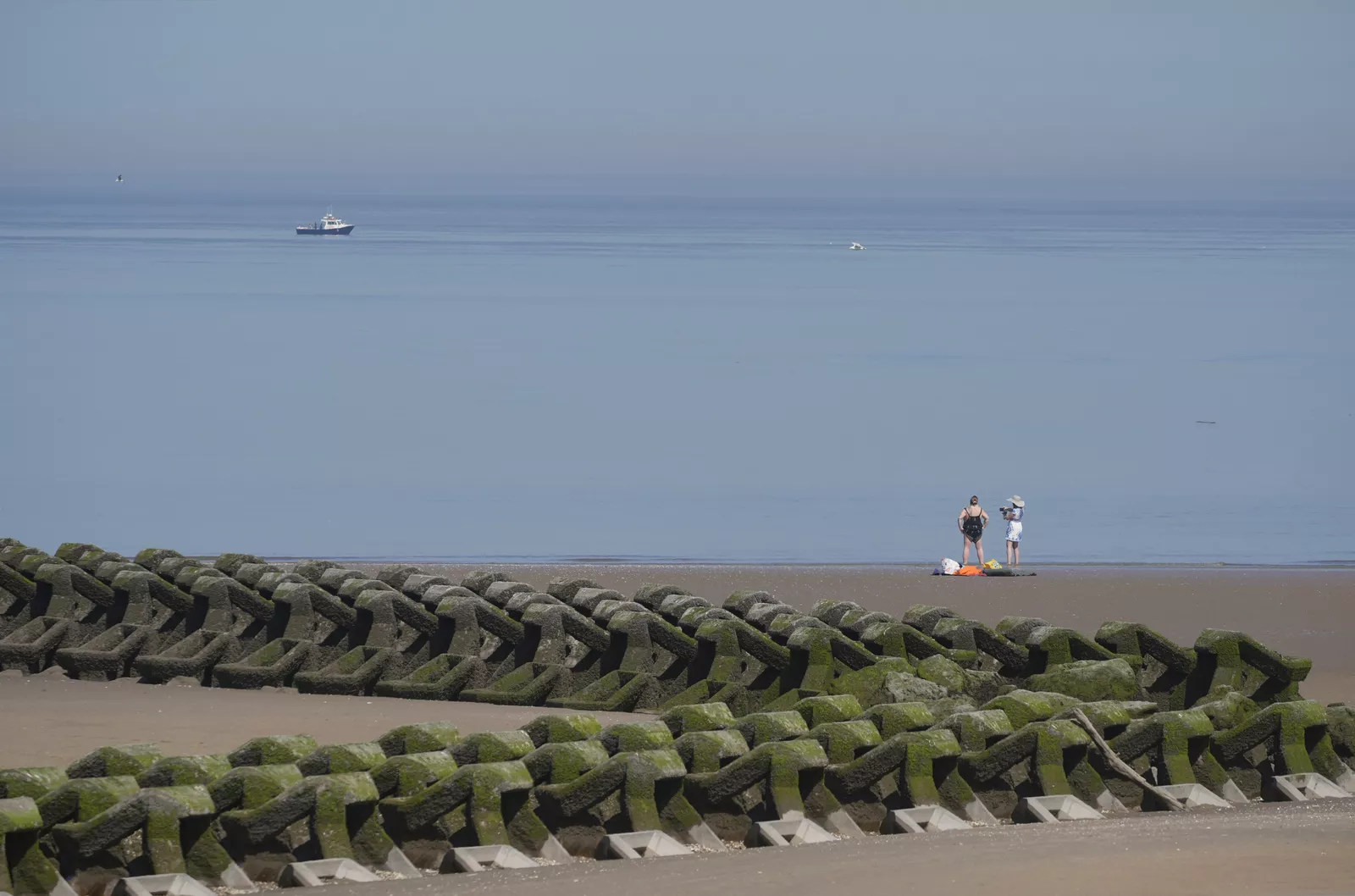
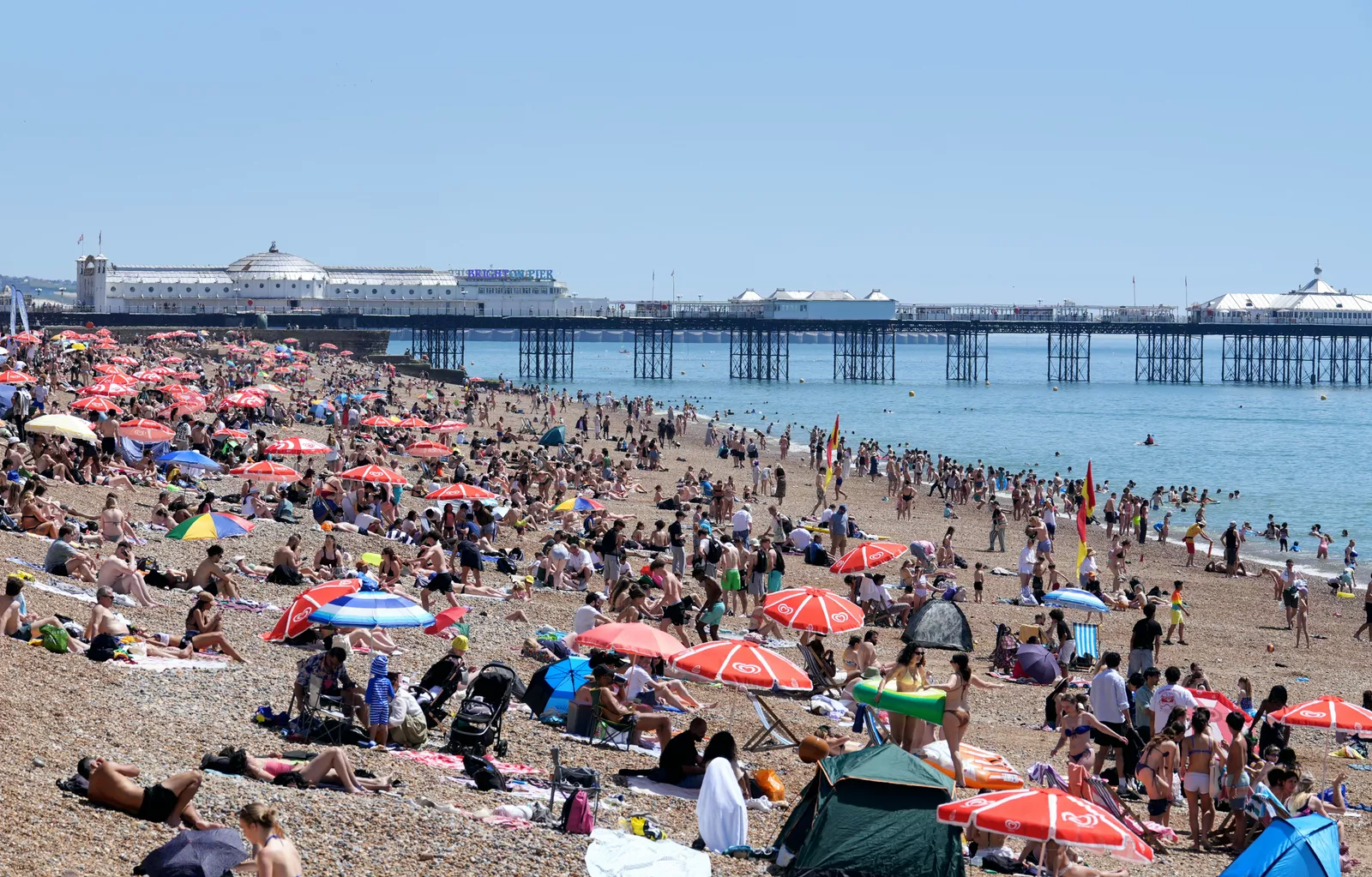
The surge in crossings coincided with temperatures reaching the hottest May day on record for both England and Wales, the Met Office confirmed. Kew Gardens provisionally recorded 35.1°C, while Cardiff’s Bute Park reached 32.9°C, surpassing the previous UK May maximum of 32.8°C set in 1922 and 1944. The heatwave, which has brought “tropical nights” where temperatures remained above 20°C, created unusually calm conditions in the Channel – a factor historically linked to increased crossings. The Met Office routinely passes assessments of crossing likelihood to the Home Office, with “red days” denoting high probability of crossings.
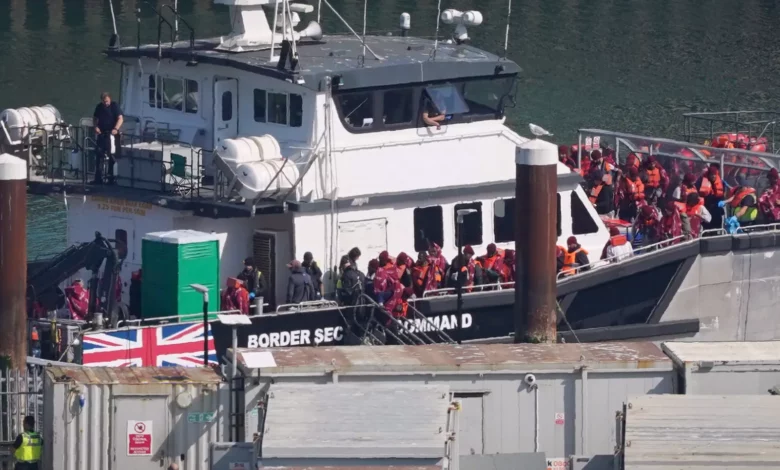
Photographs from Wednesday show people disembarking from a Border Security Command vessel at Dover, Kent, wearing life vests and blankets. The Home Office is expected to publish arrival figures for Wednesday on Thursday.
Legal consequences for migrants and smugglers
While the arrivals have continued, the Crown Prosecution Service has moved rapidly to bring charges and secure convictions against those involved in the crossings. Three migrants have been convicted of arriving in the UK without entry clearance and jailed, while three others have been charged with endangering lives at sea.
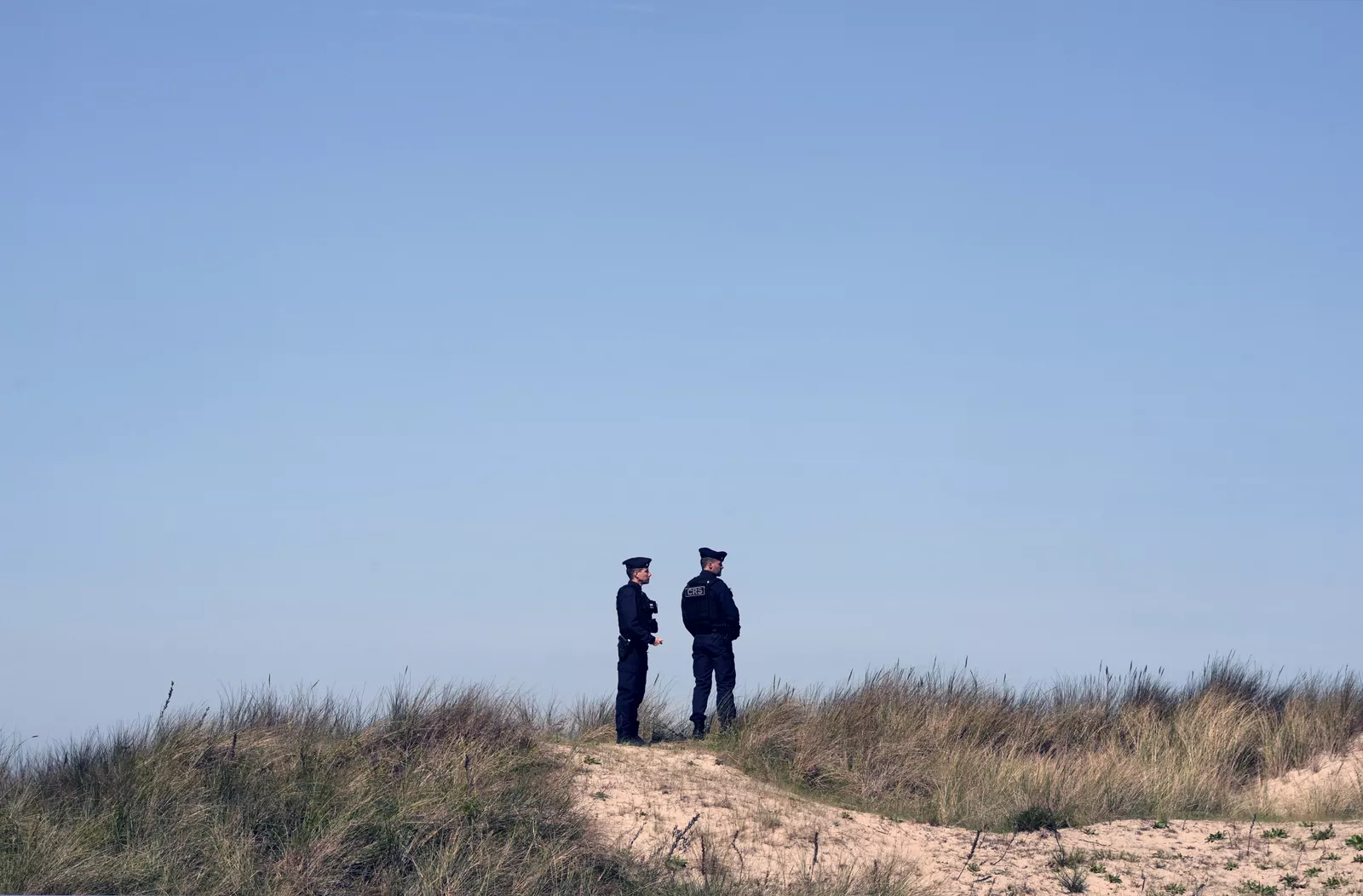
Osman Yesil, 47, a Turkish national, and Tawfiq Boubazine, 33, an Algerian national, both arrived on Friday and pleaded guilty at their first appearances at Folkestone Magistrates’ Court on Monday. The CPS said they were each sentenced to eight months in prison. Elidjon Cota, 29, an Albanian national who arrived on Saturday, pleaded guilty to the same charge on Tuesday and was also sentenced to eight months in prison.
Separately, two Sudanese nationals – Jiechlat Buom, 25, and Kueth Gatkuoth, 31 – were charged with endangering others after arriving on Saturday. Buom was on board a boat carrying 78 people. They will appear at Canterbury Crown Court for a plea hearing on June 29. Iranian national Mehdi Najafi, 42, who arrived on Friday in a boat with 21 others, faces the same charge and will appear at the same court for a plea hearing on June 22.
These prosecutions are being brought under the Border Security, Asylum and Immigration Act 2025, which introduced a new endangerment offence under section 24 (E1A) of the Immigration Act 1971. The offence carries a maximum sentence of five years in prison. The legislation also extended UK criminal jurisdiction to individuals piloting small boats bound for the UK, even if deaths occur in French waters.
The swiftness of the legal action was highlighted by Sarah Dineley, the CPS lead on immigration crime. “Many of these cases were charged within hours over this bank holiday weekend which meant defendants were brought before a court within days of arriving in the UK,” she said. “The CPS continues to work with international partners to disrupt and dismantle organised crime groups, who are ultimately responsible for small-boat crossings. We will use the laws available to us to prosecute where there is sufficient evidence, and it is in the public interest to do so.”
The CPS said charges were authorised within hours by CPS Direct, its out-of-hours team, to ensure swift court appearances. Under CPS guidance, asylum seekers entering illegally are generally not prosecuted unless they are involved in other criminal activity, but those who organise or pilot dangerous crossings can expect to be prosecuted.
Broader migration trends and safety concerns
Since 2018, a total of 201,314 migrants have crossed the English Channel in small boats as of 26 May 2026. Last year, approximately 41,000 people were detected crossing, a 13% increase from 2024, though still below the 2022 peak of around 46,000. The first two months of 2026 saw around 2,200 crossings, similar to the same period in previous years.
Nationalities of those crossing have shifted over time. Between 2018 and 2025, citizens of Iran, Afghanistan, Iraq, Albania, Syria and Eritrea made up 65% of arrivals. Among those currently facing charges are Sudanese and Iranian nationals. The asylum grant rate for small-boat arrivals between 2018 and 2025 stood at 62%, higher than the overall rate for asylum applicants.
By the end of 2025, approximately 7,500 individuals who arrived by small boat had been returned from the UK, with most returns being to Albania. The government’s strategy of “deterrence through enforcement” aims to prosecute pilots and undermine smuggling networks. Increased enforcement on other irregular routes and the professionalisation of smuggling gangs have been cited as factors that may have contributed to the rise in small-boat crossings.
In contrast to the UK’s Channel crossings, unauthorised arrivals by sea fell across other European countries in 2025, though Italy and Greece still received more arrivals than the UK. Irregular border crossings at the EU’s external borders dropped by 26% in 2025 to nearly 178,000, the lowest level since 2021, according to Frontex. The agency warned that migration pressure can shift quickly and that the EU must remain prepared for new challenges.
The UK’s asylum system, estimated to cost over £15 billion over ten years, continues to accommodate many asylum seekers in hotels due to a lack of housing capacity. Meanwhile, migrant encounters at the US-Mexico border in fiscal year 2025 fell to their lowest level in over 50 years, since 1970.
Safety remains a grave concern. In April 2026, four migrants died attempting to board an inflatable boat off Equihen-Plage near Calais. Last year, 24 people died attempting to cross the Channel in small boats, a decrease from 73 the previous year. More than 130 people are confirmed to have died in the Channel since 2018. During the current heatwave, the Met Office and the Royal Life Saving Society UK have warned that sea surface temperatures remain low and can cause cold water shock, despite the high air temperatures.