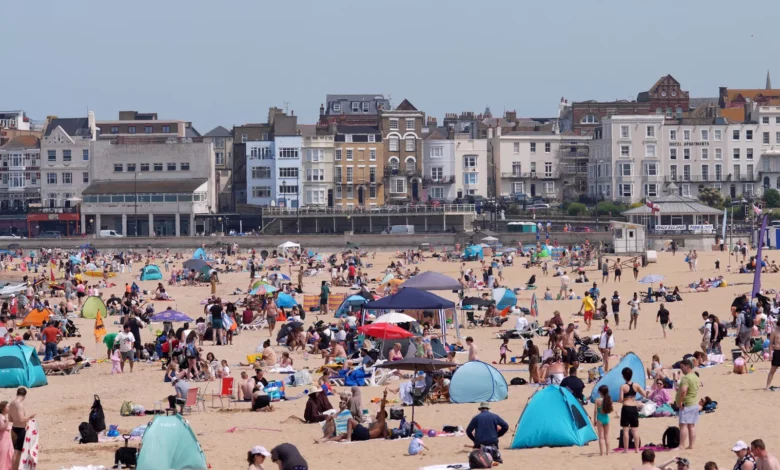
Fourteen people have died in water-related incidents across the UK during the heatwave, as police and fire services warn that open water remains “exceptionally dangerous” even on the hottest days.
The latest victim is a 19-year-old man who entered Balderton Lake in New Balderton, Nottinghamshire, on Thursday afternoon. Emergency services were called at 2.35pm after reports of a man going into the water. He was recovered, treated at the scene, and taken to hospital, where he later died. Nottinghamshire Police said his family had been informed and were being supported by specialist officers. There are not believed to be any suspicious circumstances and a report will be prepared for the coroner.
Chief Inspector Clive Collings said: “During hot weather we know people want to keep cool but open waters are exceptionally dangerous as there is no way of telling what’s beneath the surface.”
A devastating toll across the country
The deaths span at least nine counties and have claimed lives from primary school children to pensioners. On Bank Holiday Monday, 15-year-old Chiedza Nyanjowa from Cheshire got into difficulty while swimming at Formby beach, Merseyside. She was taken to Alder Hey Children’s Hospital and died on Saturday. Merseyside Police said her family described her as a “bubbly person” who loved cooking and wanted to be a nurse so she could “give back”.
Other victims include a 72-year-old woman pulled from the water at West Angle Bay beach in Pembrokeshire on Sunday, and a 13-year-old boy, understood to be Reco Puttock, who died after getting into difficulty at Leadbeater Dam near Halifax, West Yorkshire, on Monday. Fatalities have also been recorded in South Yorkshire, West Yorkshire, Cornwall, Hampshire, Warwickshire, Cheshire, Pembrokeshire, Lincolnshire, and Lancashire. Among them are a 17-year-old boy who drowned in a lake in Cheshire, a 12-year-old boy who died in the River Ribble in Lancashire, a teenage girl at Kingsbury Water Park in Warwickshire, and a teenager whose body was recovered from Rother Valley Country Park in South Yorkshire. A man in his 60s died of cardiac arrest after entering the sea at Tregirls Beach, Padstow, Cornwall, while trying to help two family members. Other victims include 15-year-old Declan Sawyer, who died after entering Swanholme Lakes in Lincoln; a 17-year-old boy who disappeared in Pickmere Lake in Northwich, Cheshire; a 14-year-old boy who died after getting into difficulty in the River Thames at Donnington Bridge; and an unnamed boy recovered from a pond in Swanscombe, Kent.
The hidden dangers of open water
Emergency services have used the mounting death toll to reiterate stark warnings about the risks of swimming in rivers, lakes, and the sea during hot weather. Group manager Charlotte Weatherall-Smith of Nottinghamshire Fire and Rescue Service said: “Incidents like this are a stark reminder of the dangers that open water can present. Even on warm and sunny days, water temperatures can be much colder than they appear, and entering the water can lead to cold water shock, which can be sudden, severe and potentially fatal.”
Cold water shock is an involuntary physical response triggered when the body is suddenly immersed in water below 15°C. Average UK sea temperatures hover around 12°C, while inland waterways can be even colder. The shock causes an involuntary gasp, rapid breathing, a spike in heart rate, and can quickly lead to panic, disorientation, and loss of swimming ability – even among strong swimmers. Prolonged exposure can also cause cold incapacitation, where muscles lose power and limbs become heavy, making swimming increasingly difficult.
Adding to the perils, open water often hides submerged obstacles such as rocks, trees, debris, or strong currents that are impossible to judge from the surface. “There is no way of telling what’s beneath the surface,” Chief Inspector Collings warned.

Fire and rescue services are urging the public to follow a clear set of safety measures. Swimmers should always check weather, tides, and currents before entering the water, choose designated swimming areas with lifeguards where possible, and never swim alone. If someone does find themselves in difficulty, the advice is to fight the instinct to swim and instead float on their back to calm down and control breathing. “If you see someone in difficulty in the water, call 999 immediately and ask for the fire service,” Ms Weatherall-Smith said. “Encourage the person to float on their back to help them stay calm and conserve energy. For your own safety, please do not enter the water or attempt a rescue yourself, as this can put additional lives at risk.”
Wearing a bright-coloured swimming hat and using a tow float can help swimmers stay visible. Entering the water slowly allows the body to acclimatise, reducing the risk of cold water shock. A wetsuit also helps maintain body temperature and buoyancy.
Water supply crisis in Kent
The heatwave has also placed severe strain on drinking water networks, particularly in Kent. South East Water said supplies had been restored to 15,500 customers in areas including Whitstable and Herne Bay, but around 500 customers remained without water on Saturday evening, and a further 3,600 were experiencing intermittent supplies or low pressure. The company’s incident manager, Steve Benton, said: “Whilst this is positive, we are conscious that today has been another hot day and demand has remained high. Although our network is continuing to recover, levels of drinking water in our storage tanks are still low and we are asking customers to use water for essential purposes only – drinking, cooking, and hygiene.”
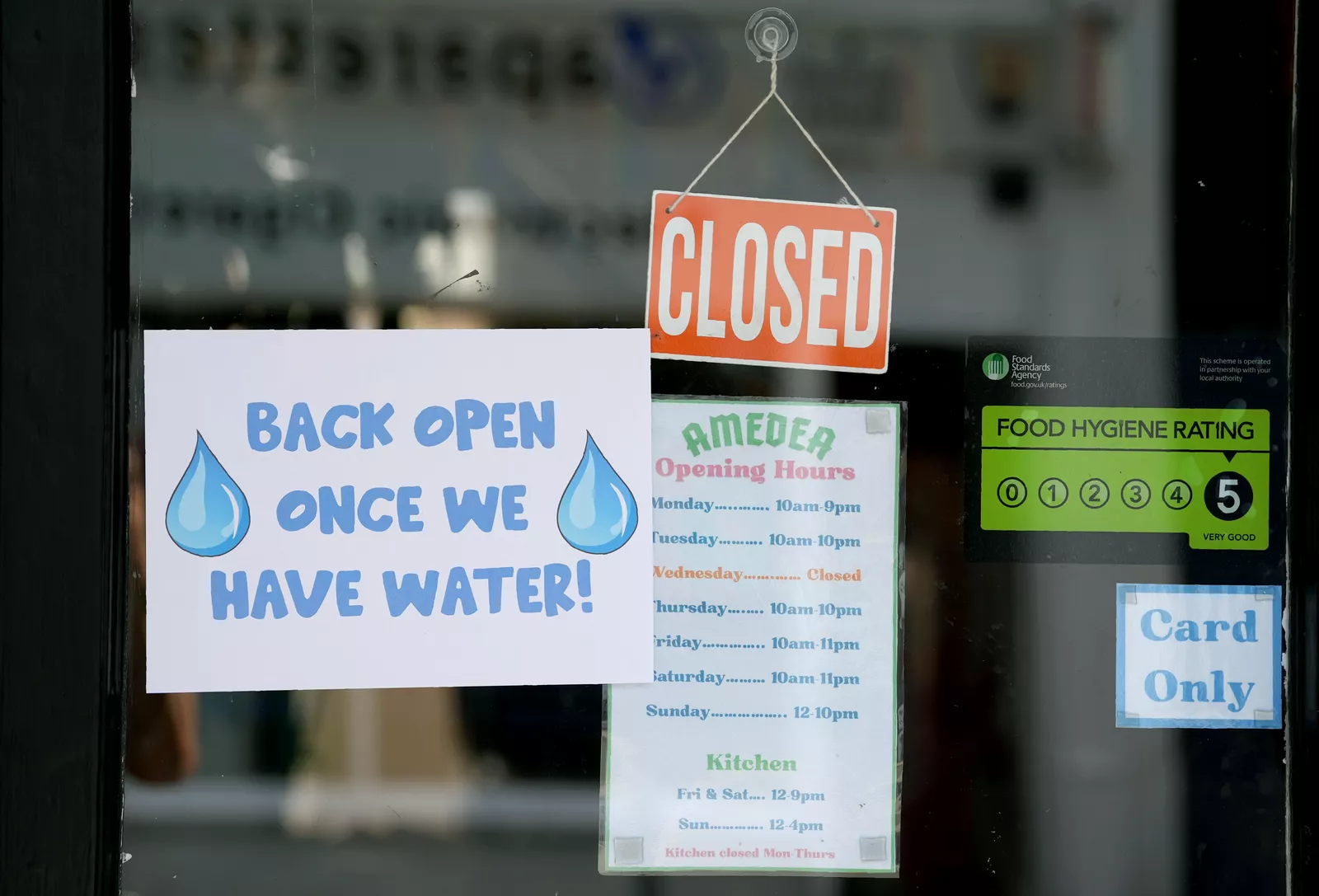
A burst water main in the Wincheap area of Canterbury was being repaired. Intermittent supplies were also reported in Coxheath, Loose, Headcorn, Ulcombe, Benenden, and Wraik Hill, with water going off at peak times, particularly between 4pm and 7pm. The company said it had distributed a million litres of water through bottled water stations across Kent and was working to identify additional collection points. Some businesses, including bakeries and restaurants in Whitstable, were forced to close because of the shortages.
The exceptional demand – on some days more than 100 million litres above the May daily average – followed a dry spring that left reservoir levels critically low. The outages have renewed scrutiny of the UK’s water infrastructure, with the regulator Ofwat having previously proposed fines against South East Water for service failures.
Meanwhile, the Met Office confirmed that Tuesday saw the hottest May day on record for England and Wales, with 35.1°C recorded at Kew Gardens in west London and 32.9°C at Cardiff’s Bute Park. Saturday was forecast to be the final day of the sweltering heat, with 30°C expected in south-east England, before scattered showers and temperatures closer to the seasonal average arrive on Sunday.