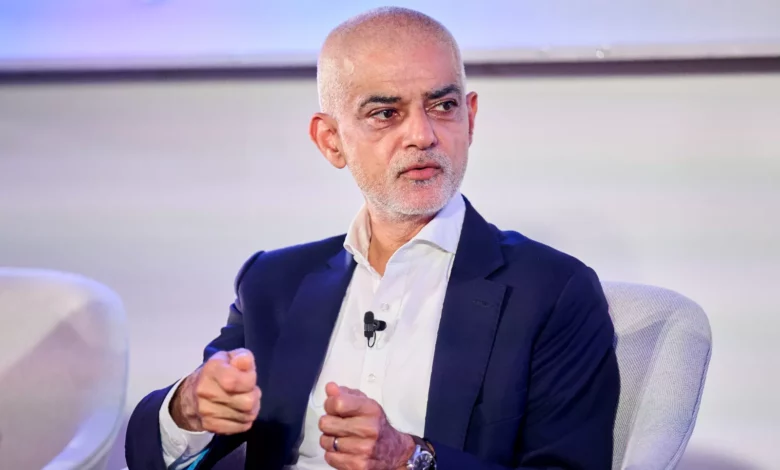
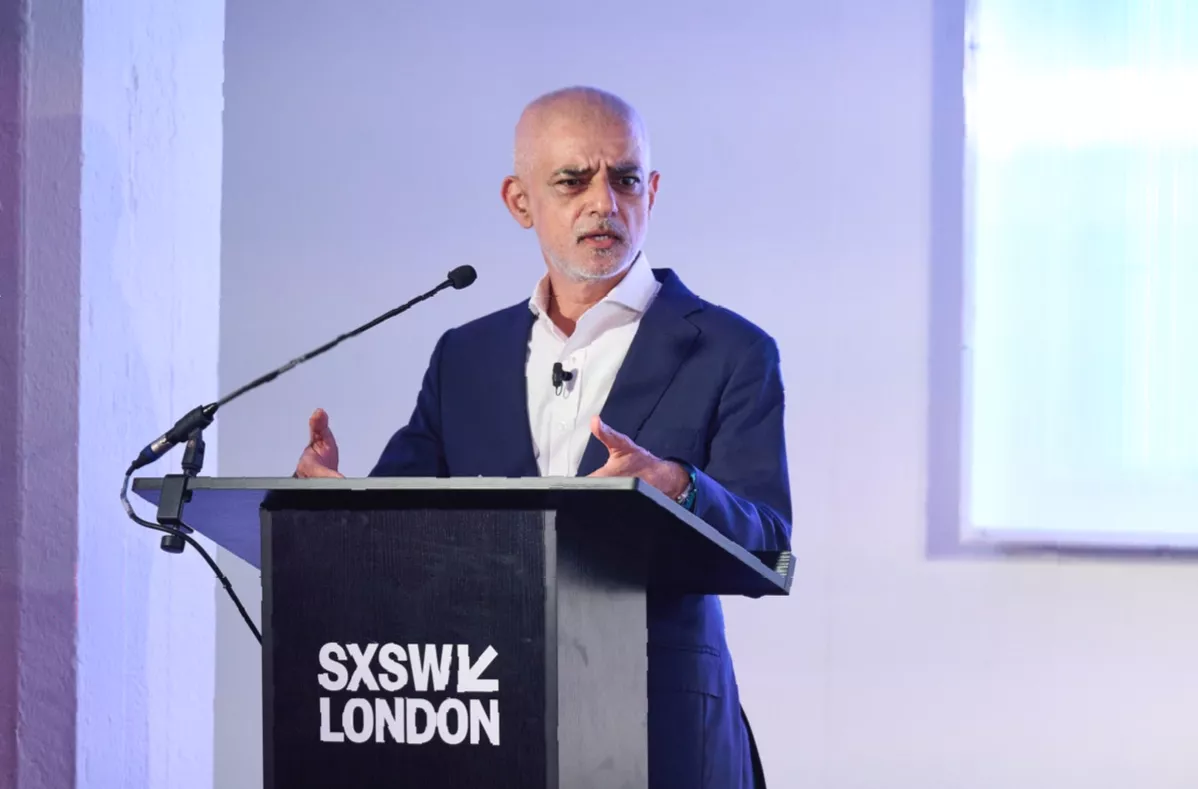
London Mayor Sir Sadiq Khan has warned that online misogyny risks creating “a lost generation of young men”, as he stepped up his campaign for a social media ban for under-16s and called on technology companies to be held accountable for the algorithms that allow harmful content to flourish. Speaking at the SXSW conference in London on Tuesday, Khan described influencers from the so-called “manosphere” as “snake oil salesmen who take advantage of young men’s ambition to peddle pound shop misogyny”.
Algorithms ‘rigged in their favour’ – How misogyny spreads online
Khan argued that social media platforms are not merely passive hosts of misogynistic material but actively incentivise its spread through algorithmic design. “These manosphere voices aren’t just allowed to pump out poison. They’re rewarded for it by a system that’s rigged in their favour,” he said. The Mayor called on tech companies to “explain how misogyny spreads like wildfire on their platforms, and publicly set out how they’ll adjust their algorithms to stop it”. He issued a direct warning that “if they refuse to act, then the state must step up”.
The “manosphere” is a loose network of online communities and influencers – including figures such as Andrew Tate, Jordan Peterson, Hamza Ahmed, Sneako and those associated with the “Fresh and Fit” podcast – who promote misogynistic narratives around gender roles, relationships and women. Research indicates that exposure to such content can lead to more harmful perceptions of relationships, greater tolerance for abusive behaviour, and can act as a gateway to incel extremism. A survey of 222 boys in London found that 12 per cent had been exposed to harmful masculinity messaging daily and 32 per cent weekly.
Under the UK’s Online Safety Act 2023, Ofcom – the communications regulator – already holds extensive powers to investigate platforms’ internal workings, including their content recommender systems and algorithms. Ofcom’s codes of practice require platforms to assess the risks posed by their algorithms and to take mitigating steps, such as running tests and analysing safety metrics. Ofcom chief executive Melanie Dawes has warned that tech companies will face audits of the algorithms used to promote content to children, and that action will be taken against firms unable to prove that their systems prevent under-18s from seeing harmful material. The regulator has also engaged with US tech companies on integrating age-verification measures into artificial intelligence platforms.
Speaking to the Press Association after his speech, Khan said that Ofcom should not be afraid to ask the Government for more powers to force social media companies to explain why their algorithms allow misogyny to spread. “If there’s a need for more legislation, then Ofcom shouldn’t be scared to ask the government for that,” he said, adding: “These social media companies should be asked to change their algorithm.”
Demand for an Australia-style ban on under-16s
Khan explicitly backed a prohibition on social media access for children under the age of 16, describing it as “the only way to stem the harms we know are happening right now”. His position places him ahead of Prime Minister Sir Keir Starmer, who has promised “game-changer” action but has not yet committed to an outright ban. The Mayor’s intervention comes amid intensifying pressure from bereaved parents whose children’s deaths have been linked to social media use, including Ellen Roome, whose son Jools Sweeney died in 2022 after allegedly taking part in a dangerous TikTok challenge, and the family of Molly Russell, who died in 2017 after viewing harmful content related to suicide and self-harm. Both families have urged Starmer to introduce an Australia-style prohibition.
The UK government recently concluded a 12-week public consultation titled “Growing up in the online world: a national conversation”, which ran from 2 March to 26 May 2026 and received more than 80,000 responses. The consultation explored a range of protective measures, including a ban for under-16s, app curfews, restrictions on addictive features such as infinite scrolling and autoplay, and raising the digital age of consent. Technology Secretary Liz Kendall has indicated that a ban is “definitely on the table”, noting that approximately nine in 10 parents back Australian-style restrictions.
Australia’s own ban came into effect on 10 December 2025 under the Online Safety Amendment (Social Media Minimum Age) Act 2024. It raises the minimum age for creating social media accounts from 13 to 16 and imposes penalties of up to A$49.5 million on platforms that fail to take “reasonable steps” to prevent under-16s from registering. Parental consent does not override the age limit. The ban applies to platforms including TikTok, Instagram, YouTube, Snapchat, X, Facebook, Reddit, Twitch, Threads and Kick, but exempts services such as Messenger Kids, WhatsApp, Kids Helpline, Google Classroom and YouTube Kids.
The Australian approach has drawn criticism from human rights groups including UNICEF and the Human Rights Law Centre, who argue that it undermines children’s rights and may be overly restrictive. Concerns have also been raised about effectiveness, given that certain messaging apps and online gaming services are exempt. In late March 2026, the Australian government launched investigations into several major platforms for potential violations of the ban, citing issues with age verification and insufficient measures to prevent new account creation. Some experts argue that a blanket ban may not be the most effective solution and that a targeted, risk-based approach – requiring services to demonstrate their safety and age-appropriateness – would be preferable. The debate is global, with countries such as Greece also announcing restrictions on children’s access to social media.
£1m support package for boys and young men in London
Alongside his call for a ban, Khan announced a £1 million package of measures intended to support boys and young men across the capital. The funding – administered through the Mayor’s Violence Reduction Unit – will support vulnerable boys in schools and pupil referral units, finance a new programme for fathers, and put football mentors into communities. Khan stressed the importance of engaging young men in conversations about “toxic masculinity” rather than leaving them feeling “alienated” and “looking for validation elsewhere”. He said that while a ban alone would not solve online misogyny or the challenges to masculinity posed by manosphere influencers, the combination of regulatory action and direct support was essential to avoid a “lost generation”.
The broader context of online harms has been explored in Louis Theroux’s 2026 Netflix documentary “Inside the Manosphere”, which highlighted the misogynistic rhetoric of influencers such as HSTikkyTokky. There is also a growing recognition that the “outrage economy” of social media is failing users, and that platforms should prioritise people over profit. Khan’s remarks and the new funding represent a dual push: to hold tech firms accountable through legislation and algorithmic transparency, and to provide on-the-ground resources for young men at risk of being drawn into harmful online spaces. He reiterated that Ofcom should not hesitate to ask the Government for additional powers if existing ones prove insufficient to force social media companies to alter the systems that reward divisive, misogynistic content.