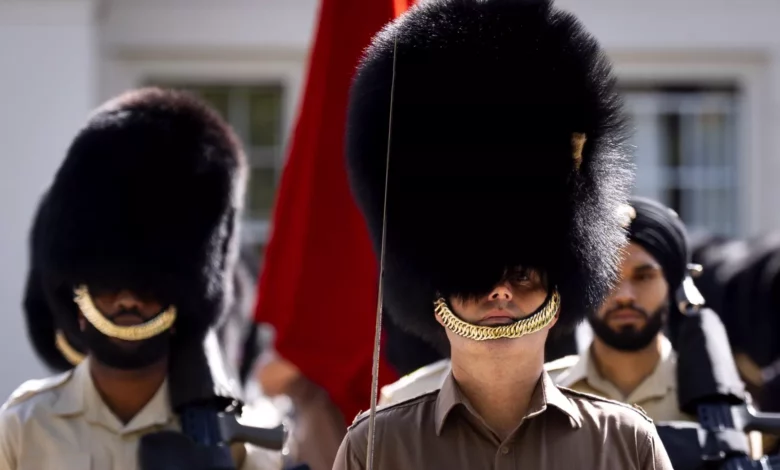
Orders for bearskin caps worn by the King’s Guards have quadrupled since Labour entered office, according to freedom of information data obtained by the animal rights organisation Peta.
Peta has condemned the surge, calling the Government’s handling of the procurement “indefensible” given Labour’s prior commitments on animal welfare. The party pledged in 2018 to ban fur imports, and a 2025 Defra policy paper promised what ministers described as “the most ambitious animal welfare programme in a generation.”
Kate Werner, Peta’s senior campaigns manager, said: “Each cap costs a bear their life making it indefensible that a Government claiming to be the ‘party of animal welfare’ continues to use taxpayer money on these purely ornamental caps.” She added that with modern, high-quality faux fur readily available, “there is no excuse” to continue using bear fur, and called on the Ministry of Defence to act.
The figures show that the number of caps ordered jumped from 22 in 2024 to 96 in 2025. The MoD spent in excess of £225,000 on the latest batch, with the price per cap climbing by nearly eight per cent compared with the previous year. Each cap now costs more than £2,000; the price stood at £2,040 in 2023, representing a rise of over 30 per cent in a single year. Over the past decade, the MoD has spent more than £1 million on bearskin caps, with purchases between 2017 and July 2024 totalling 526 hats.
The organisation is now demanding that Defence Minister Luke Pollard direct the MoD’s capmakers to develop and implement synthetic fur alternatives for the ceremonial headwear. Peta has been advocating for such a switch for more than two decades and has worked with faux fur manufacturer Ecopel to develop a high-quality alternative. According to Peta, the faux fur meets and even exceeds the MoD’s criteria for durability, water protection and appearance. Ecopel has offered to supply the MoD with free faux fur for ten years.
How the bears are hunted
Peta says the pelts used for the caps are sourced from Canada, where black bears are hunted using methods that would be illegal on British soil. The organisation alleges that hunters use high-powered crossbows and lure the animals with buckets filled with sweet food before shooting them. Peta claims many animals are struck multiple times, with some wounded bears escaping only to perish slowly from blood loss, infection, starvation or dehydration.
The animal rights group argues that the continued demand for bearskin caps sustains the market for bear pelts and encourages further killing. It says the hunting practices are cruel and that the suffering inflicted on the animals is compounded by the fact that the caps are purely ornamental.
The Ministry of Defence, however, defends the procurement. An MoD spokesperson stated: “We procure the minimum number of bearskin caps to replace those which have seen extensive use over extended years.” The department maintains that the pelts are a by-product of legal and licensed hunts authorised by Canadian provinces and territories to manage wild bear populations. It argues that reducing its orders would not decrease the number of bears being hunted.
The MoD has previously said that no synthetic alternative has yet met all of its criteria, including water absorption, appearance, drying rate and compression. In 2022, following a parliamentary debate triggered by an online petition that gathered more than 100,000 signatures, the then Minister for Defence Procurement, Jeremy Quin, stated that the MoD was not opposed to using faux fur if it proved effective, but that previous synthetic alternatives had failed to meet the necessary standards. Peta disputes this, insisting that the faux fur developed with Ecopel meets and surpasses those requirements.
Tradition and cost
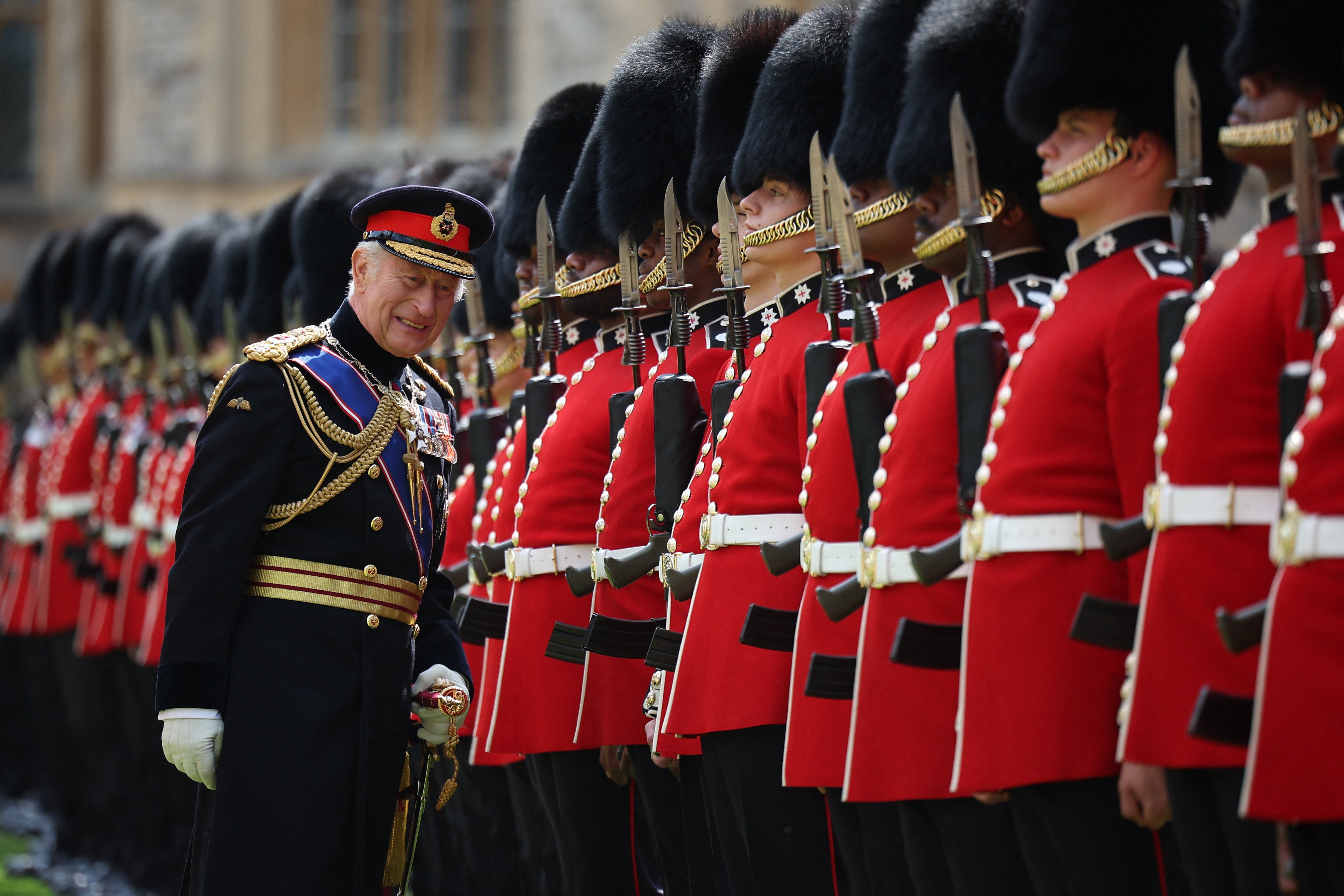
Bearskin caps have been part of British military tradition since their introduction after the Battle of Waterloo in 1815. They were originally adopted by the French Imperial Guard and then by British grenadier units to make soldiers appear taller and more intimidating. The caps stand approximately 18 inches tall and weigh about 1.5 pounds. While they are now worn only for ceremonial duties, they were used in battle during the Crimean War.
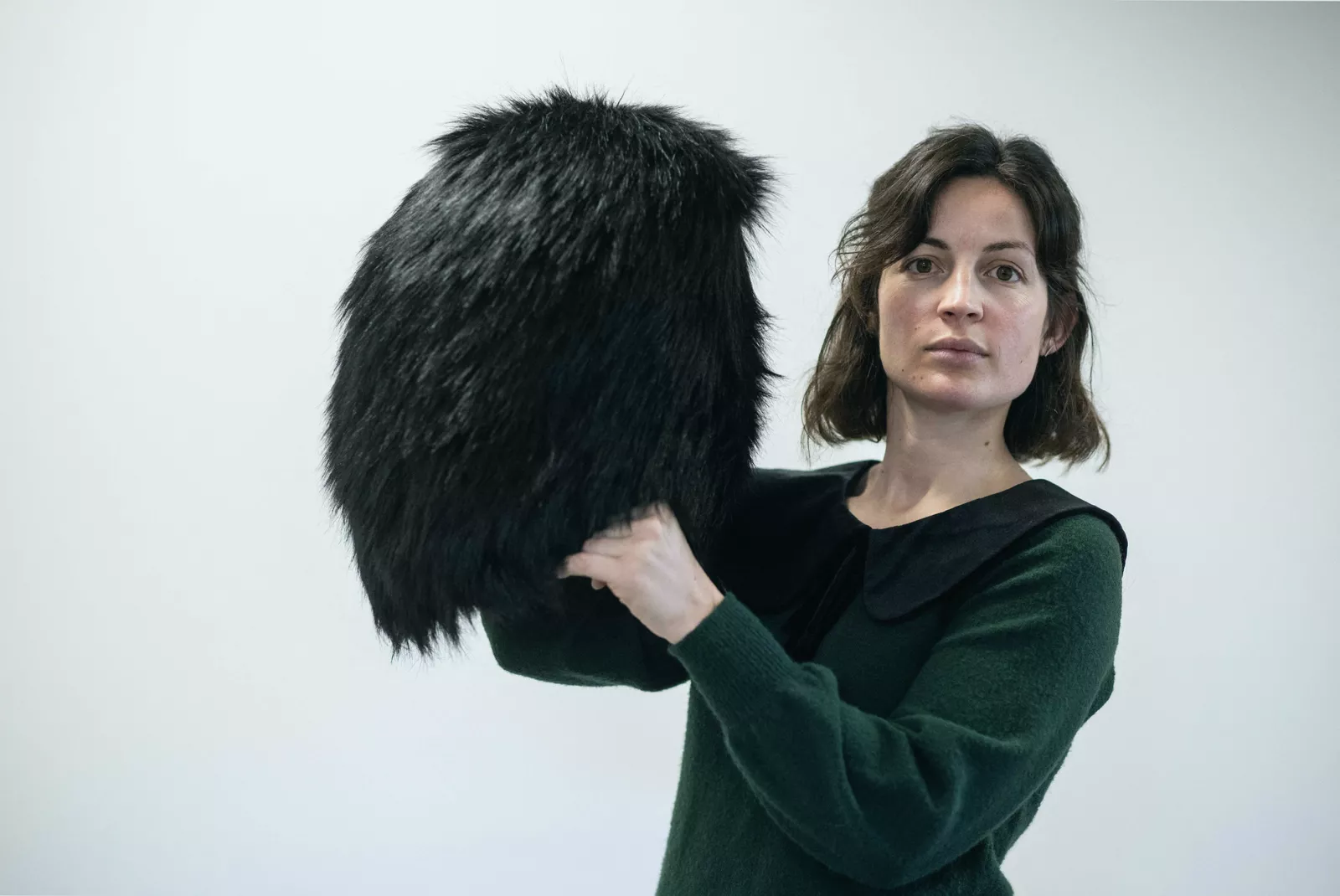
They remain standard ceremonial dress for foot soldiers across five regiments: the Grenadier Guards, Coldstream Guards, Scots Guards, Irish Guards and Welsh Guards, stationed at Buckingham Palace and St James’s Palace. King Charles III is Colonel-in-Chief of the Coldstream Guards.
Public opinion appears to favour a change. A Populus poll indicated that 75 per cent of the UK public considers the caps a “bad use of Government funds,” while a YouGov poll found that 78 per cent support a switch to faux fur. A 2026 Early Day Motion in Parliament also noted concerns about MoD spending of more than £1 million on bearskin caps over the past decade and urged the government to prioritise replacing real bearskin with faux fur.