Discovery of bone beside bookmaker’s marks breakthrough in decades-long murder investigation

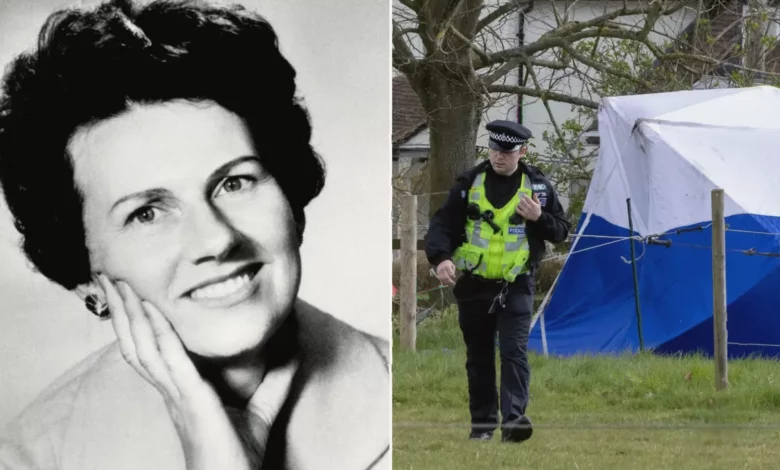
For more than half a century, the disappearance of Muriel McKay has remained one of Britain’s most haunting unsolved mysteries. A case that began with a shocking case of mistaken identity and an unprecedented £1 million ransom has been defined by one enduring question: where is her body? The latest chapter in this painful saga unfolded this week in an east London garden, but has yielded only another frustrating dead end.
A bone, measuring roughly nine inches long, was discovered on Friday, 20 March, during an independent excavation of a garden on Bethnal Green Road, Hackney. The location was a site of intense interest to Ms McKay’s family, who believed it could finally hold her remains. However, the Metropolitan Police have confirmed that forensic analysis has determined the bone is not human.
A Tragedy of Mistaken Identity
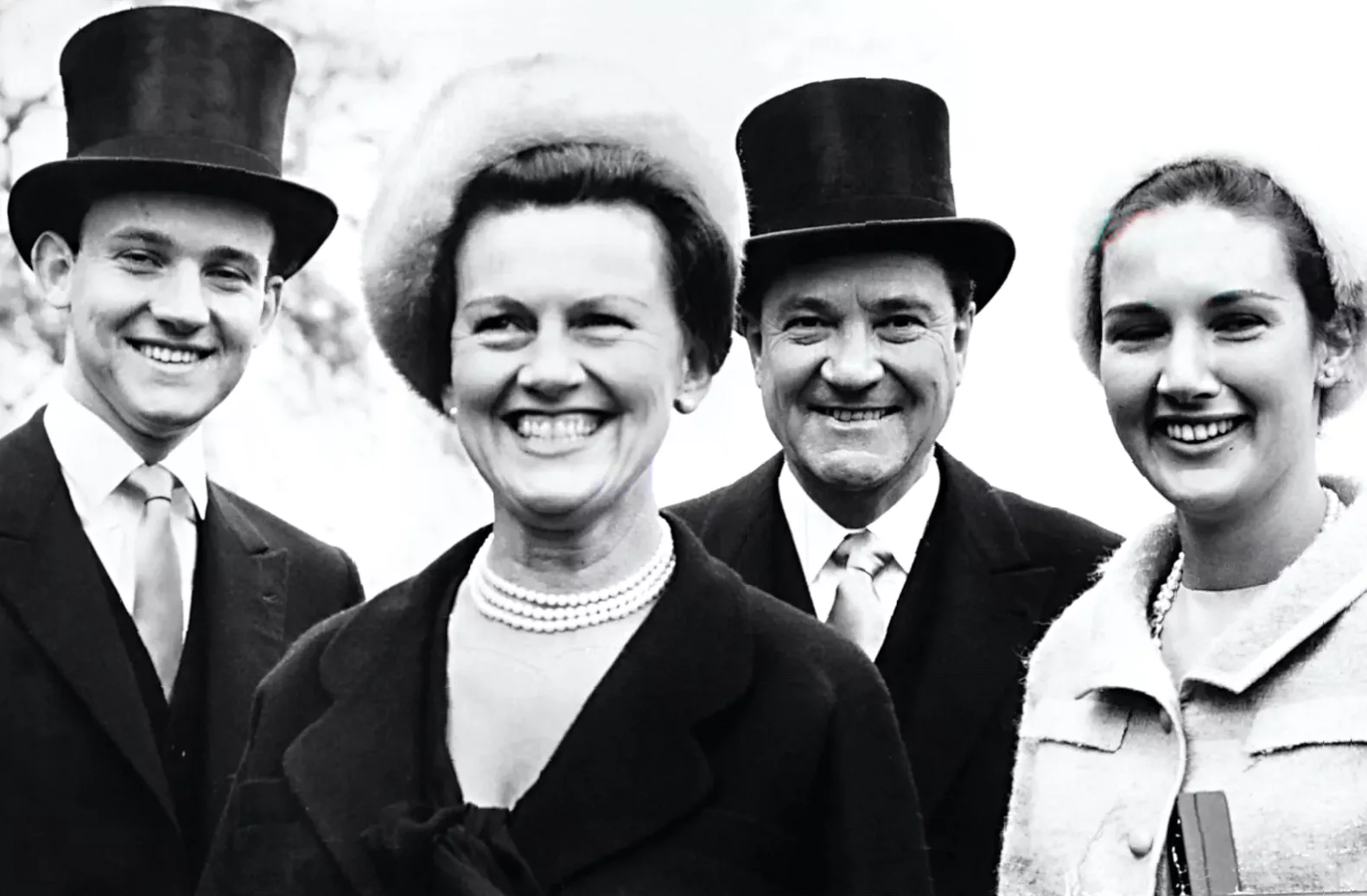
The mystery dates to 29 December 1969, when Muriel McKay, the wife of newspaper executive Alick McKay, was kidnapped from her home in Wimbledon. In a cruel twist, she had been mistakenly targeted as Anna Murdoch, the then-wife of media mogul Rupert Murdoch. The kidnappers had seen Muriel using Mr Murdoch’s borrowed Rolls-Royce. Anna Murdoch-Mann, as she was later known, passed away earlier this year, on 17 February 2026, aged 81.
Muriel McKay was held at Rooks Farm, a property in Stocking Pelham, Hertfordshire. She was presumed murdered in early 1970, though her body was never found. In September 1970, brothers Arthur and Nizamodeen Hosein were convicted at the Old Bailey of her kidnapping and murder—a landmark case as one of the UK’s first murder convictions secured without a body. Arthur Hosein was sentenced to life imprisonment plus 25 years; Nizamodeen to life plus 15 years.
A Decades-Long Search for Answers
Both brothers took the secret of the burial location with them for decades. Arthur Hosein died in prison in 2009. Nizamodeen served 20 years, was released in 1990, and deported to Trinidad. It was there, in January 2024, that he provided new information to Muriel’s daughter, Dianne Levinson, and her grandson, Mark Dyer, indicating her body was buried at the Hertfordshire farm where she was held.
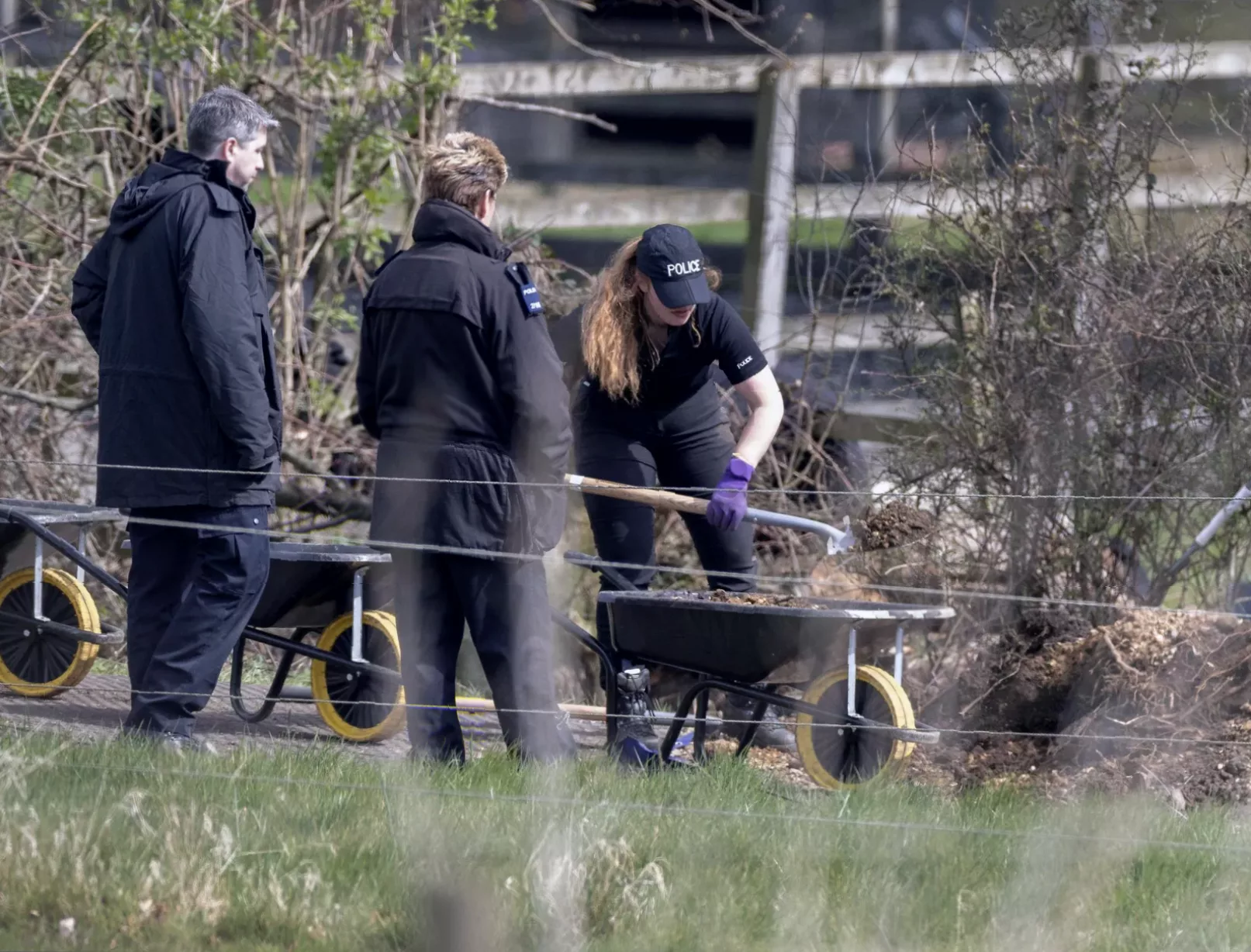
Acting on this, the Metropolitan Police conducted a dig at Stocking Farm, formerly Rooks Farm, in July 2024. The search, like previous ones in 1970 and 2022, yielded no remains. However, a separate lead soon emerged, shifting the focus to East London.
This new information came from Hayley Frais, whose father owned a tailor shop on Bethnal Green Road where Arthur Hosein was reportedly employed. According to her account, her father spoke on his deathbed of a strong smell emanating from the premises around the time of Muriel’s disappearance and suspected her body was buried there.
Legal Obstacles and Accusations
Pursuing this lead, the McKay family sought legal permission to inspect the garden of the neighbouring properties. In November 2025, barristers for Muriel’s children, Ian McKay and Dianne Levinson, applied to the High Court for an injunction to conduct a ground-penetrating radar survey of the shared back garden.
The application was denied by Mr Justice Richard Smith. In a ruling on 24-25 November 2025, the judge stated he would not allow the survey, finding that “evidence of the presence of Muriel McKay’s remains at the premises, such as it is presently, seems thin.” He further concluded that he would have refused the injunction on the basis of what he termed “egregious conduct” by the McKay family towards the neighbours. The judge’s ruling specified this included “threats, deception, dishonesty, lies, bullying and harassment.”
Mark Dyer, the family’s spokesman, strongly contested this characterisation at the time, calling it a “complete exaggeration” and a “cheap shot.” He asserted the family had “always behaved very well.”
Undeterred, the family arranged for a non-invasive scan of the property on 5 March 2026, which they said indicated disturbed ground. This led to the independent excavation on 20 March where the bone was found.
Reacting to the police confirmation that the bone was non-human, Mr Dyer said the family remained “sanguine” and that their search would continue, as they had not finished investigating the area. He told Sky News that a definitive outcome would “end this ghastly mystery for our whole family.”
An Enduring Mystery
The case continues to raise complex questions. Beyond the two convicted brothers, a third sibling, Adam Hosein, was questioned by police but never charged. Furthermore, forensic speech analysis conducted by Dr. Dominic Watt on the original ransom calls suggested the voices may not have belonged to Nizamodeen Hosein, hinting at the potential involvement of other, unidentified gang members. The family has also expressed frustration with the police investigation in recent years, with Dianne Levinson stating the Met “don’t want to know” about the case.
For Muriel McKay’s family, the search for closure persists, a painful quest stretched across 57 years, marked by false hopes, legal battles, and the unwavering refusal of the earth to give up its secret.