For years, the names were hidden behind redactions or buried in sealed court records. Now, after millions of pages from the US Department of Justice’s Epstein investigations were made public, survivors whose identities were revealed are finding their voices, describing a suffocating burden finally being lifted.
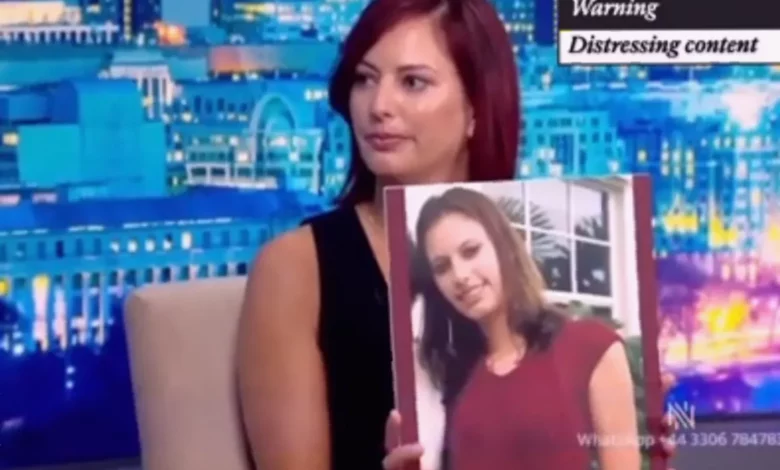
Joanna Harrison was 18 when she met Jeffrey Epstein in Florida. She told the BBC that what began with a massage escalated to rape on his birthday. After seeing his face on television for six years and her own name in the unsealed files, she felt compelled to speak. “It gets to a point where you’re being suffocated, and you need to breathe, and I feel this is my way of trying to breathe,” she said, expressing concern that Epstein’s death may have robbed her and others of justice.
They are part of a group of women, some of whom were teenagers when the abuse began, coming forward with detailed accounts. Jena Lisa Jones and Wendy Pesante both say they were 14 when they met Epstein. As Ms Pesante stated, a 14-year-old should not have “the mindset of a sex worker.” Ms Jones has spoken of the lasting psychological aftermath, including internalised guilt and distress, and frustration that key questions remain unanswered.
The ‘Eerie’ Epicentre: Zorro Ranch
While Epstein’s private island, Little St James, features in survivors’ memories, another location is described with particular dread: the Zorro Ranch in New Mexico. The recent document release prompted the New Mexico Attorney General’s office to reopen a criminal probe into the property in February, with state investigators beginning a search in March.
Survivor Chauntae Davies, a trained massage therapist, stated the ranch was where “most of the assaults happened,” calling it “dark” and “eerie.” Another, Lisa Phillips, also described it as “creepy.” The property, purchased by Epstein in 1993 and sold by his estate in 2023 to the family of a Texas political candidate, is alleged to have been a site for the sexual abuse and sex trafficking of young women. The renewed investigation seeks to examine these allegations in light of the new evidence.
The release of documents, mandated by the Epstein Files Transparency Act passed in November 2025, has provided this impetus. An initial trove of over 3 million pages was made public in January 2026, after earlier heavily redacted releases drew criticism.
Ms Davies’s account also highlights the jarring contrast between Epstein’s public facade and private conduct. She shared images from a “once-in-a-lifetime” humanitarian trip to Africa on Epstein’s private jet in 2002, visiting five countries in five days with actor Kevin Spacey and former president Bill Clinton. She said the experience was “tainted by what was happening behind closed doors,” and that she was later raped by Epstein on his island. Bill Clinton, while testifying before the US House Oversight Committee, said he wished Ms Davies had told him about Epstein’s wrongdoing at the time. Clinton has repeatedly said he did not witness any abuse.
Kevin Spacey has called for the full release of the Epstein files, stating, “For those of us with nothing to fear, the truth can’t come soon enough.” His name appears in flight logs and he was a passenger on the jet, but he has not been accused of wrongdoing.
Claims of Power and a Royal Connection
The released files have also cast a renewed spotlight on Epstein’s association with Britain’s Prince Andrew. Lisa Phillips, a former fashion model who was 21 when groomed by Epstein, alleged that a friend of hers was instructed to have sex with the prince in a New York apartment in 2003. Ms Phillips claimed that when she asked Epstein why he made her friend do this, he replied: “I like to have things on people.”
The former Duke of York, who was stripped of his royal titles over his links to the convicted paedophile, has consistently denied all wrongdoing. He was arrested in February on suspicion of misconduct in public office over accusations he shared confidential information with Epstein while serving as a UK trade envoy.
Thames Valley Police are now assessing claims that emerged in the Epstein files regarding this alleged sharing of confidential reports. King Charles III has stated he is ready to support police in their assessment.
For the survivors, the fight continues amid deep scepticism. Many, including Chauntae Davies who says she is “absolutely suspicious,” do not believe the official ruling that Epstein died by suicide in prison. Their testimonies describe a calculated manipulator who exploited their youth and vulnerability, with the recent flood of documents offering a fragile hope for accountability, if not for justice.