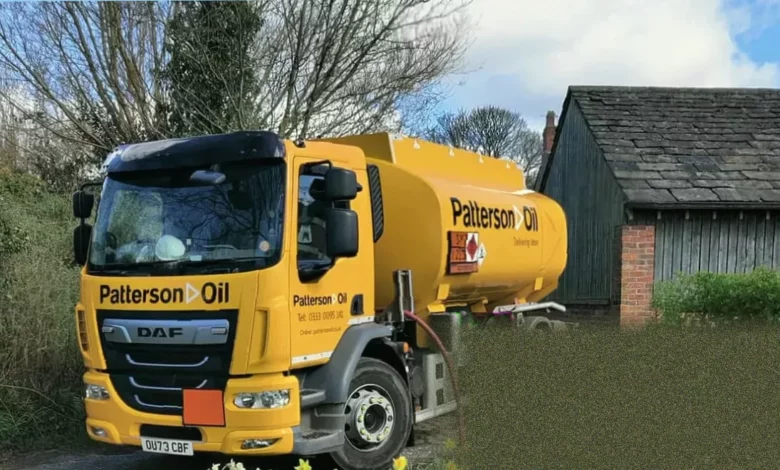
In the quiet lanes of rural Northern Ireland, a conspicuous delivery has become a risky advertisement. The arrival of a marked heating oil tanker, a routine sight for off-grid households, now signals more than just a top-up; it flags a potential target for thieves who monitor these comings and goings. A dramatic surge in fuel prices, triggered by conflict half a world away, is fuelling a spike in a decades-old crime, leaving communities exposed and authorities urging vigilance.
From Global Conflict to Local Crisis
The catalyst for the current wave of thefts is an international one. Since military actions involving the US, Israel, and Iran began on 28 February 2026, global oil markets have been thrown into turmoil. The price of Brent crude jumped from around $71 to over $100 a barrel. Analysts at Goldman Sachs estimate that traders are adding an additional $14 per barrel due to the heightened risk of disruption to the Strait of Hormuz, a vital waterway for global oil supply.
This global shockwave has landed with particular force in Northern Ireland. Approximately 68% of households in the region rely on heating oil as their primary heat source, a dependency that rises to 80% in rural areas, making it the least energy-secure part of the UK. Unlike mains gas or electricity, heating oil is not regulated by Ofgem or covered by the energy price cap, leaving consumers fully exposed to market volatility. Consequently, the cost of 900 litres of oil has nearly doubled to approximately £1,000, with some customers reporting quotes as high as £1.73 per litre, almost treble the pre-conflict price.
“Liquid Gold” for Opportunistic Thieves
With oil now akin to “liquid gold,” the incentive for theft has skyrocketed. “Rural homes and farms are increasingly being targeted by opportunistic thieves,” said Gary McCartney, regional director of Countryside Alliance Ireland. “A tank can be drained in minutes.” Jonny Byrne, a criminology lecturer at Ulster University, contextualises the crime, noting a long history of oil being used as a form of currency in Northern Ireland. He describes the theft as a lucrative “no-brainer” for low-level operatives within an “ecosystem” of stolen goods, rather than highly organised crime.
A former police officer from the border area, speaking anonymously, agreed: “It is more opportunistic than organised. It would be too much like hard work for the organised crime guys.” The visibility of deliveries exacerbates the problem, providing thieves with a clear indicator of which homes have recently stocked up.
The impact on victims is severe and multifaceted. Households face bills running to thousands of pounds to replace the stolen fuel, repair damaged tanks or severed lines, and manage hazardous spills. Gareth Kelly and Aimee Leigh Brolly from Limavady, County Derry, were forced to vacate their home with their newborn son after waking to choking fumes from a line cut by thieves. Kate Clifford, chief executive of the Rural Community Network, believes incidents are “hugely underreported,” especially in isolated areas. Her own organisation fell victim during the last major price spike following Russia’s invasion of Ukraine, losing £1,700 worth of oil from its Cookstown office tank.
Regulatory Scrutiny and a Call for Protection
The situation has prompted action from authorities. The UK government has announced a £50 million support package for households struggling with heating oil costs, with £17 million allocated to Northern Ireland, aimed at low-income rural homes. However, this has been criticised by some local political figures as insufficient. Simultaneously, the Competition and Markets Authority (CMA) has launched an investigation into “troubling reports” of sudden price hikes, cancelled orders, and inflated quotes within the industry.
The government has also signalled an intention to introduce new consumer protections for heating oil customers and explore ways to regulate the sector, which is worth an estimated £365 million annually in Northern Ireland. The industry currently lacks a formal regulatory body or standardised training for technicians, a contrast to the mains gas network.
Practical Steps for Prevention
With prices predicted to remain volatile, the Police Service of Northern Ireland (PSNI) and An Garda Síochána have issued detailed advice to deter thieves. Their recommendations go beyond simple locks. They urge homeowners to use fencing or prickly hedging to conceal tanks from the road, fit high-quality alarmed padlocks or lockable caps, and install audible alarms that trigger when oil levels drop suddenly. Hardened casings for fuel lines, motion-sensor lighting, tank cages, and CCTV are also suggested. The advice extends to behaviour: being vigilant after a delivery, noting suspicious vehicles, and reporting concerns immediately.
As global tensions keep crude prices high, the challenge for Northern Ireland’s off-grid communities is set to persist. The crisis underscores a deep-seated vulnerability in the region’s energy infrastructure, where geopolitical events can translate directly into crime on quiet country roads. For now, the watchword, as Gary McCartney emphasises, is for rural residents to “remain vigilant.”