At the heart of a swelling international crisis lies a decades-old colonial injustice: the forced removal of the Chagossian people from their homeland. Today, that injustice is colliding with global power politics, a critical military base, and a contentious sovereignty deal, placing the remote Chagos Archipelago firmly in the crosshairs of both geopolitical struggle and a long-denied right of return.
The Chagossians, an ethnic group indigenous to the archipelago, were forcibly displaced by the British government between the late 1960s and early 1970s. An estimated 1,500 to 2,000 people were removed, primarily to Mauritius and the Seychelles, to make way for a joint UK-US military base on the largest island, Diego Garcia. The UK government at the time falsely claimed the islands had no permanent population, an act later described by critics as an “appalling colonial crime”.
The Sovereignty Dispute and Starmer’s Deal
For over half a century, the UK has administered the islands as the British Indian Ocean Territory (BIOT), a move Mauritius has always contested as the unlawful dismemberment of its territory prior to independence. This dispute reached a crescendo in 2019 when the International Court of Justice (ICJ) issued an advisory opinion stating the UK’s administration was unlawful and should end, a ruling endorsed by the UN General Assembly.
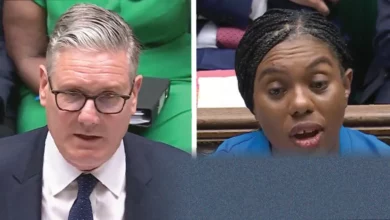
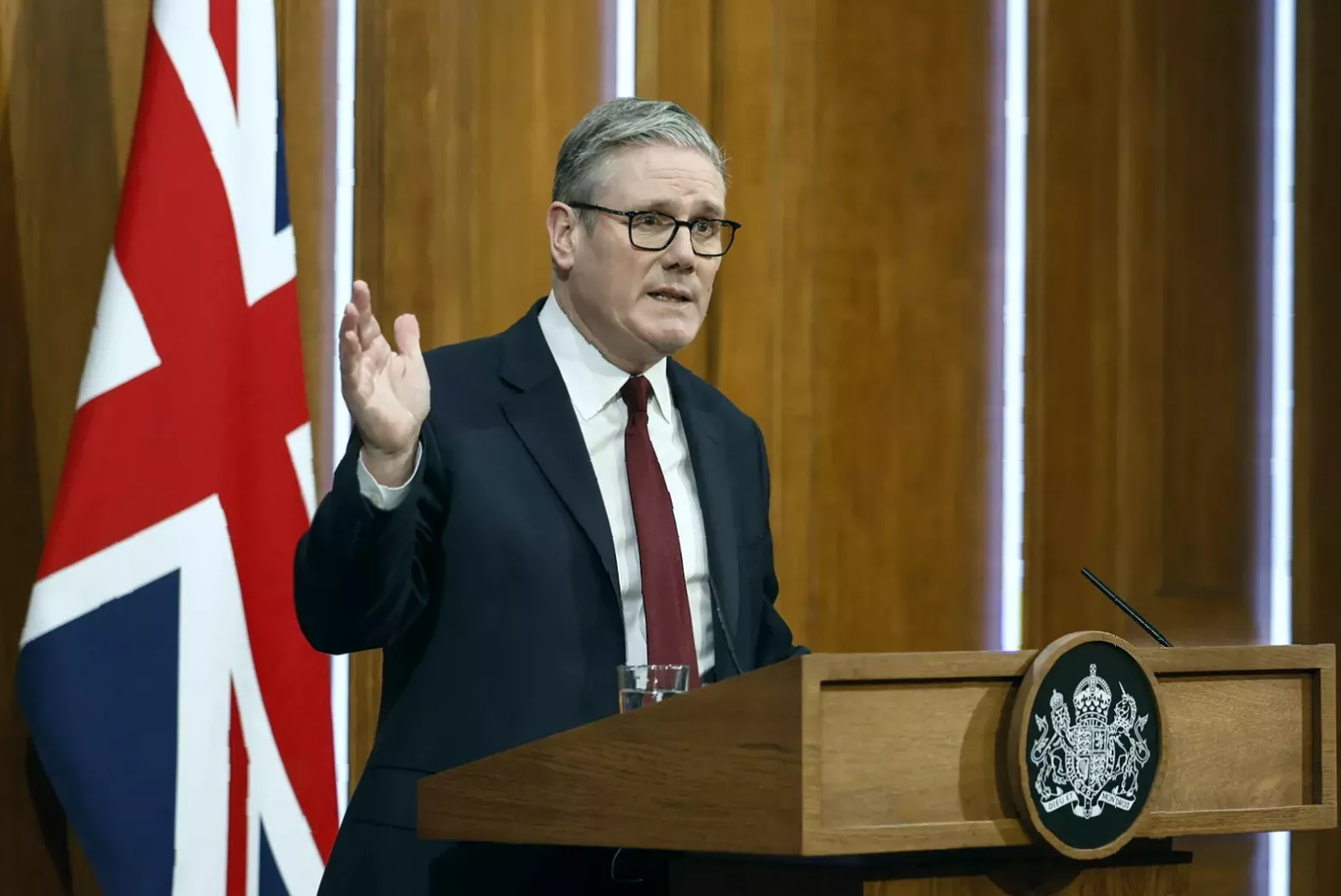
In May 2025, the UK and Mauritius signed an agreement to resolve the impasse. Prime Minister Keir Starmer and his Mauritian counterpart, Navin Ramgoolam, formalised a treaty under which sovereignty of the Chagos Archipelago would transfer to Mauritius. However, the UK would retain rights concerning the Diego Garcia base, leasing it back from Mauritius for an initial 99 years at an average annual cost of £101 million. The deal, which includes provisions for Chagossian welfare and a marine protected area, aims to secure the base’s long-term future. As of early 2026, the treaty had been signed but not yet ratified.
The agreement has faced fierce criticism. Conservative shadow ministers have opposed it on grounds of cost and strategic risk, citing Mauritius’s ties to China. The UN Committee on the Elimination of Racial Discrimination has expressed “deep concern“. Most strikingly, former US President Donald Trump has publicly condemned it as “a big mistake” and “an act of great stupidity”, with analysts attributing his opposition to lobbying and concerns over future US operational access.
Diego Garcia Under Fire
The strategic value of Diego Garcia, a critical hub for power projection across the Middle East and Asia, was thrown into sharp relief on 21 March 2026. According to reports, Iran fired two intermediate-range ballistic missiles towards the base, located approximately 4,000 kilometres away. Neither missile struck; one allegedly failed in flight, while a US destroyer launched an SM-3 interceptor at the other.
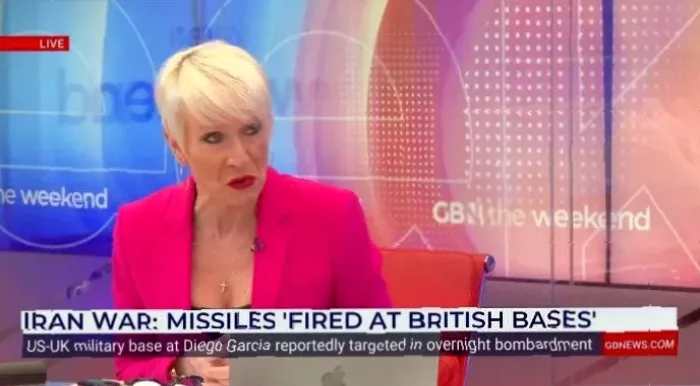
The UK Ministry of Defence condemned what it called “reckless attacks” by Iran. The incident, which occurred during the US-led “Operation Epic Fury” against Iranian missile capabilities, represents a significant potential expansion of Iran’s reach and has intensified scrutiny of the base’s security under the proposed new sovereignty arrangements.
Chagossian Anger and the Fight to Return
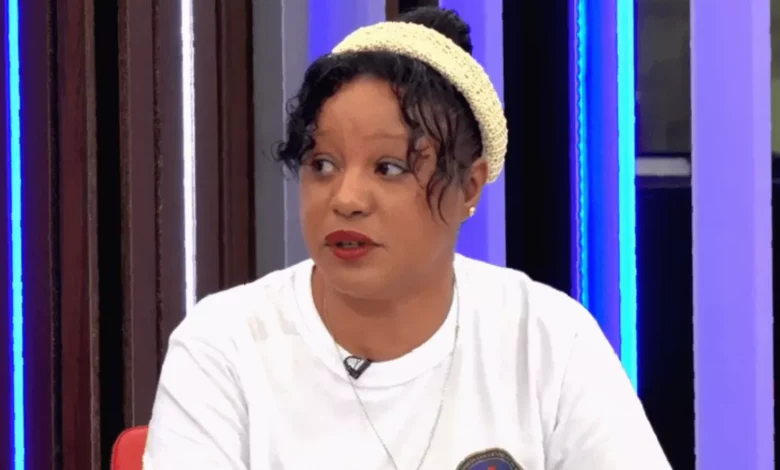
For the displaced Chagossian community, many of whom now hold British citizenship and live in UK towns like Crawley, the sovereignty deal is another chapter in their prolonged disenfranchisement. Campaigner Vanessa Calou, in an interview with GB News, launched a scathing attack on Prime Minister Starmer, accusing him of weakening the UK’s alliance with the US and demanding he resign for failing to protect “British people and our heritage”.
Ms Calou, whose brother and father are part of a group on the islands, expressed confidence in the US-UK military’s ability to defend Diego Garcia but said the Prime Minister was “blocking” the base’s progression. “The deal must be U-turned now,” she stated.
Her comments follow a bold act of defiance by Chagossians themselves. On 16 February 2026, four British Chagossians landed on Île du Coin in the archipelago to establish a permanent settlement without government permission—the first such resettlement since the expulsion. An injunction has temporarily prevented their deportation.
Farage’s Involvement and Political Crossfire
Reform UK leader Nigel Farage has positioned himself as a prominent opponent of the sovereignty deal and a vocal ally of the Chagossians’ cause. Ms Calou told GB News that Mr Farage would do a “better job” handling the situation, declaring him the community’s “closest ally”.
Mr Farage’s involvement recently escalated from rhetoric to action. He attempted to travel to Île du Coin to join an aid mission supporting the new settlers, but was reportedly prevented from doing so after UK authorities intervened via the Maldives government. He claimed he was being denied access to British territory.
His actions drew sharp criticism from former Defence Secretary Ben Wallace, who accused him of performing “Maga stunts”. Mr Wallace emphasised that access to the sensitive military installation requires strict pre-clearance checks, stating: “It is a serious military base which does serious work.”
Beyond the political theatre, a formal legal challenge is being prepared against Prime Minister Starmer, accusing him of committing a “crime against humanity” by facilitating the transfer based on the historical forced removal. The Maldives is also considering its own legal challenge to the UK-Mauritius agreement.
The Chagos Archipelago thus remains a potent symbol: of unresolved colonial history, of the relentless grind of great power strategy, and of a people’s enduring determination to reclaim the home from which they were torn.