The next generation of Bank of England banknotes will abandon portraits of historical figures in favour of celebrating native British wildlife, a landmark change driven by a clear public mandate and the relentless battle against counterfeiters.
The Bank confirmed that the new £5, £10, £20 and £50 notes will feature animals, and potentially plants and landscapes, native to the UK. The decision follows a public consultation in July 2025 in which a ‘nature’ theme was the most popular choice, selected by 60% of over 44,000 respondents. This surpassed themes like architecture and landmarks (56%) and notable historical figures (38%).
A Process Driven by Experts and the Public
The path to selecting which species will grace the notes is now underway. A panel of six wildlife experts, including broadcasters Gordon Buchanan MBE and Miranda Krestovnikoff, and academics like Professor Steve Ormerod of Cardiff University, has been formed to curate a shortlist.
This summer, the Bank will hold a second public consultation to gather views on specific wildlife candidates. The final selection, however, will rest with the Bank’s Governor, Andrew Bailey. Officials stress that it will be several years before the new notes enter circulation due to the complex design and production process.
The Bank states that the chosen theme met its key criteria: symbolising the UK, resonating with the public, and not being divisive. A primary driver for any new series is enhanced security; the intricate details of wildlife imagery are considered highly effective for developing sophisticated, hard-to-copy features on the polymer notes.
Contenders for the Crown
While the official shortlist is pending, a lively debate has begun, with conservationists and naturalists championing their favoured candidates. Some argue for celebrating beloved garden visitors, with early favourites including the hedgehog, robin, and barn owl. Others propose a more transformative approach.
Tony Juniper, the chair of Natural England, has suggested featuring species that have been successfully returned from extinction in England, such as the white-tailed eagle, the large blue butterfly, and the lady’s slipper orchid.
Meanwhile, the animal welfare charity RSPCA has called for “unfashionable” urban wildlife—like the feral pigeon, fox, herring gull, and brown rat—to be represented, arguing they are integral yet overlooked parts of our ecosystem.
This spirit of advocating for the underdog inspired a separate expert panel to propose a definitive set of candidates. For the £5 note, naturalist Chris Packham nominated the red fox, praising it as a bold, successful predator that sparks both love and controversy, and would promote vital conversations about how we value wildlife.
For the £10 note, naturalist Lucy Lapwing put forward the common toad, describing its “molten gold” eyes and “not-giving-a-fuck” attitude. She highlighted its severe population decline—up to 70%—and noted its weight is akin to ten £1 coins, making it a “perfect tenner.”
Isabella Tree, author of ‘Wilding’, nominated the beaver for the £20 note. She championed it as a “keystone species” whose landscape engineering prevents flooding, cleans rivers, and restores “magical biodiversity,” while also being “adorable” and conscientious.
For the £50 note, author and campaigner Hannah Bourne-Taylor nominated the swift, the recent winner of the RSPB’s Bird of the Year vote. She described them as joyous heralds of summer whose existence is intertwined with ours, as they nest in our buildings, and argued their iconic silhouette is perfect for a banknote.
Political Storm Over Replacing Icons
The shift away from historical figures has ignited significant political controversy. The current Series G notes feature Sir Winston Churchill (£5), Jane Austen (£10), JMW Turner (£20), and Alan Turing (£50). Notes featuring King Charles III’s portrait entered circulation in June 2024.
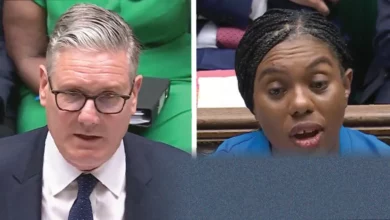
Conservative MP Alex Burghart called the decision “outrageous,” arguing that “great people who shaped this nation” like Churchill should not be forgotten. Tory leader Kemi Badenoch accused the Bank of “erasing our history,” suggesting Margaret Thatcher should be featured instead.
Liberal Democrat leader Ed Davey acknowledged the value of wildlife but stated Churchill “helped save our country” and “deserves better than being replaced by a badger.” Reform UK leader Nigel Farage labelled the proposals “PC mad and loony.”
The Bank of England maintains that banknote design is an operational matter for the independent institution, with the primary driver being security rather than political symbolism.
A Historical Shift in Design
The move represents a significant evolution in British banknote design. Historical figures first appeared only in 1970, with William Shakespeare on the £20 note. Queen Elizabeth II became the first monarch featured, in 1960, her portrait becoming a key security feature due to its universal recognisability.
The current polymer series, introduced between 2016 and 2021, has itself been the subject of debates over representation, notably regarding the historic lack of diversity among the figures chosen. The new wildlife theme sidesteps these debates by focusing on the natural world.
It also brings England and Wales closer to Scottish practice; notes issued by the Royal Bank of Scotland already feature native species like the otter, red squirrel, and osprey.
As the process moves to a public vote this summer, the definitive new look of Britain’s currency will begin to take shape, replacing faces from the history books with creatures from the nation’s fields, rivers, and skies.