A serial fare dodger who has amassed more than 100 convictions for travelling without a ticket has been ordered to pay back more than £34,000 — and warned he faces prison if he defaults.
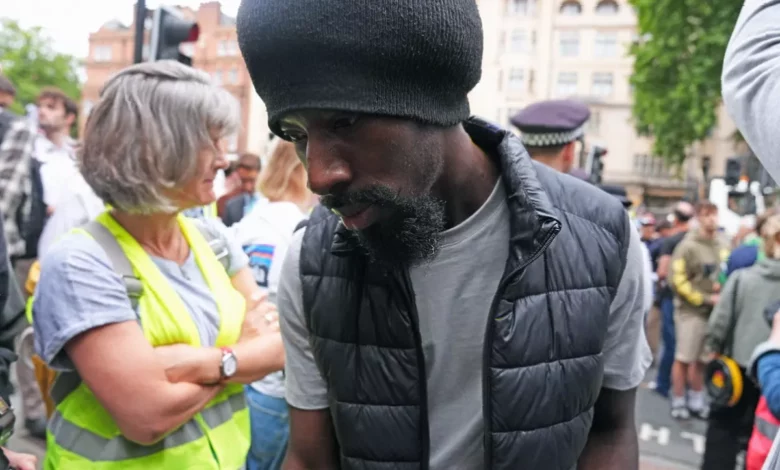
Charles Brohiri, 29, appeared at Westminster Magistrates’ Court on Tuesday for a means assessment after failing to pay any of the fines and compensation he was ordered to hand over when he received a suspended prison sentence in February. District Judge Nina Tempia told the unrepresented defendant: “If you haven’t paid anything then you can go to prison as I warned you last time. Do you understand that?” Brohiri confirmed he did, but admitted he had not yet paid a single penny.
Asked why, Brohiri said a referral from probation to help him access benefits had been “a bit slow”, but insisted he would begin paying £5 a week. Judge Tempia ordered the first payment to be made by 31 July and set a further means inquiry for 27 August, by which date Brohiri must have paid at least £20.
Total debt of £34,486
The judge told Brohiri that the consolidated amount he now owes — comprising compensation, fines and “maybe victim surcharges” — stands at £34,486. This figure includes outstanding financial orders from separate prosecutions between August 2019 and April 2025, which had previously been reported as £31,742. The most recent offences, for which Brohiri was sentenced in February, involved unpaid rail fares valued at £3,629.60 on Govia Thameslink Railway (GTR) services between February 2024 and November last year. The court heard that prosecution costs of £15,120 had not been added to the order.
Suspended sentence and conditions
Brohiri, originally from Hatfield in Hertfordshire but homeless for several years, was given a three-month prison sentence suspended for a year at Westminster Magistrates’ Court in February. The sentence was for 76 charges of failing to pay for a rail ticket; a further 36 charges had been convicted in his absence in August 2024. As part of the order, he was handed a 12-month prohibited activity requirement banning him from travelling on any GTR trains, ordered to complete 150 hours of unpaid work, and required to undertake a rehabilitation activity.
Despite these restrictions, the court heard Brohiri continued to evade fares. Prosecutor Lyndon Harris told Tuesday’s hearing that “with the exception of the period of October, November [and] December 2024, there have been offences in every month since February 2024 to the present day.” The most recent alleged fare dodging occurred on 10 February — the very day before his sentencing — and another on 12 January this year. Bail conditions had already prohibited Brohiri from entering Thameslink stations since April.
Judge’s concerns over attitude and reoffending
At the February sentencing hearing, Judge Tempia described Brohiri’s offending as “brazen and persistent”. Referring to a pre-sentence report, she said: “My view is, as is set out in the PSR, that you feel that you are invincible by committing these offences and that you see it as some sort of self-entitlement that you can get away with it.”
However, the judge acknowledged that the report indicated Brohiri had some insight into his crimes and that probation could help him address his behaviour. She warned him: “Be under no illusion, if you commit any other offences and you do not comply with the requirement on this order, you will be back in court.”
Brohiri’s defence lawyer told the court his client had been homeless for years, sleeping on trains, in hospitals and in libraries, and had tried to get support from charities but found it inconsistent due to mental health issues and a lack of consistent help. He noted that Brohiri had given up alcohol three years ago, which he argued demonstrated an ability to change.
GTR stance and wider impact
Govia Thameslink Railway, which prosecutes fare evaders, estimates that fare evasion costs the railway around £400 million a year, increasing costs for taxpayers and diverting money from service improvements. The company said it viewed the offence as unfair to paying passengers and welcomed the court’s decision to uphold Brohiri’s charges. GTR has introduced targeted ticket checks, focused action at known hotspots, and improved reporting tools for staff, which it says has reduced ticketless travel on its network to its lowest level since 2022.
Judge Tempia adjourned Brohiri’s means inquiry until 27 August, reminding him: “£20 should have been paid when you come back.”