
Domestic murderers will now face longer prison sentences after the government moved to close a legal loophole that had allowed killers to receive significantly shorter terms when the crime was committed at home.
The reform, announced by Justice Secretary David Lammy, raises the minimum sentence for offenders who kill their current or former partner from 15 years to 25 years. The change directly addresses a disparity in sentencing guidelines that had, in practice, treated domestic murders less severely than other homicides.
Under the previous system, the starting point for a murder sentence depended on whether the killer had brought a weapon to the scene of the crime — a criterion intended to demonstrate premeditation and intent. In the vast majority of domestic murder cases, however, the weapon is already present in the home. A knife taken from the kitchen, for example, would not count as a weapon brought to the scene, meaning the typical starting point for a domestic killer was 15 years, compared with 25 years for a murder committed elsewhere with a weapon carried to the location.
The Ministry of Justice noted that more than a fifth of all murders are domestic, and women are overwhelmingly the victims in these cases. Data from the year ending March 2025 recorded 111 domestic homicides, of which 75 victims were women and 36 were men. Of those, 67 were killed by a partner or ex-partner. Between 2010 and 2015, 76% of female domestic homicide victims were killed by a partner or ex-partner. According to the Femicide Census, a woman is killed in the UK on average every three days.
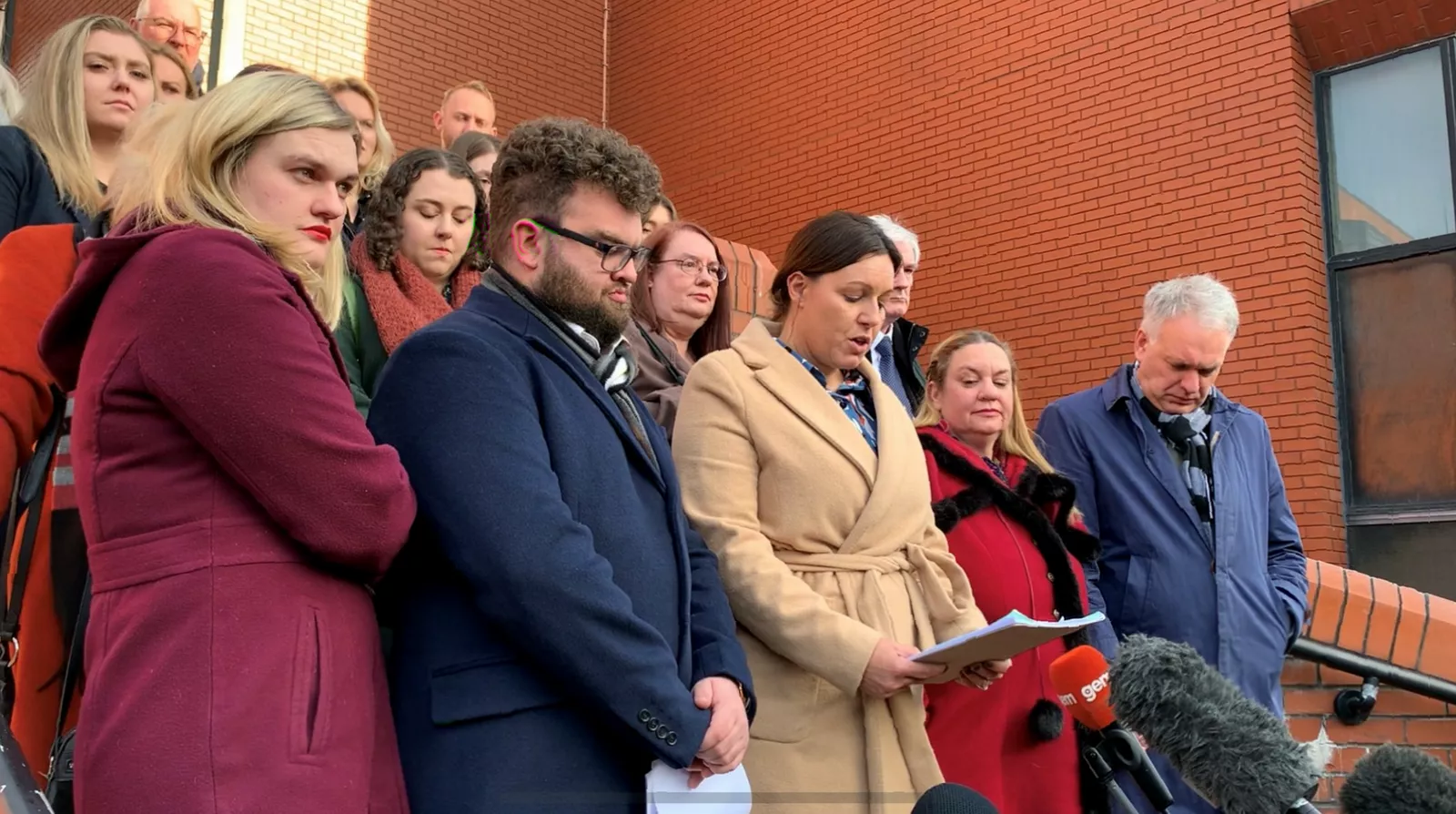
The loophole had been a focus of a seven-year campaign by three mothers — Julie Devey, Carole Gould and Elaine Newborough — who co-founded the group Killed Women after each lost a daughter to domestic murder.
Julie Devey’s daughter, Poppy Devey Waterhouse, was 24 when she was killed by her ex-boyfriend Joe Atkinson in 2018. Atkinson received a life sentence with a minimum term of 15 years and 310 days. Carole Gould’s daughter, Ellie, was 17 when she was stabbed to death at home by Thomas Griffiths, also 17 at the time, after she ended the relationship. Because of his age, Griffiths was sentenced to life with a minimum term of 12 years and six months — a more lenient sentence than an adult would have received. Elaine Newborough’s daughter, Megan, 23, was killed by her boyfriend Ross McCullam after he invited her to his home in Leicestershire. McCullam was jailed for at least 23 years in December 2022.
The campaigners had previously successfully lobbied for aggravating factors, including coercive and controlling behaviour prior to the death, to be added to sentencing law. In January 2024, statutory aggravating factors were introduced for strangulation and for murders connected to the end of a relationship, following a recommendation from an independent Domestic Homicide Sentencing Review conducted by Clare Wade KC and published in March 2023.
The new reform goes further by equalising the baseline sentence for domestic murders with that for other murders. Lammy said the change “closes a long overdue gap and will ensure those who murder their partner face sentences that better reflect the devastating harm they cause.” He paid tribute to Carole, Julie and Elaine, saying their “courageous campaign will help future mothers, daughters and wives get the justice they deserve.”
The change is subject to consultation with the Sentencing Council, with the Ministry of Justice aiming to introduce it as soon as possible. Importantly, the 15-year baseline starting point will remain in cases where a victim of domestic abuse kills their abuser, ensuring that those who act in self-defence or under duress are not unduly punished.

In a statement, the three women thanked Lammy for bringing in the change, saying it “finally aligns the starting point for murders committed in the home with those committed in the street.” They added: “We have been campaigning relentlessly on this issue for seven years to persuade the State just how dangerous these men are. We have lost our daughters – Poppy, Ellie and Megan – to such men. Anyone who can murder someone they once loved — often the mother of their children — using such extreme violence is clearly a serious threat, not only to other women but to the public. We welcome the government’s decision to keep these perpetrators in prison for longer, as an important step towards protecting women and to achieve their promise to halve violence against women and girls within a decade.”
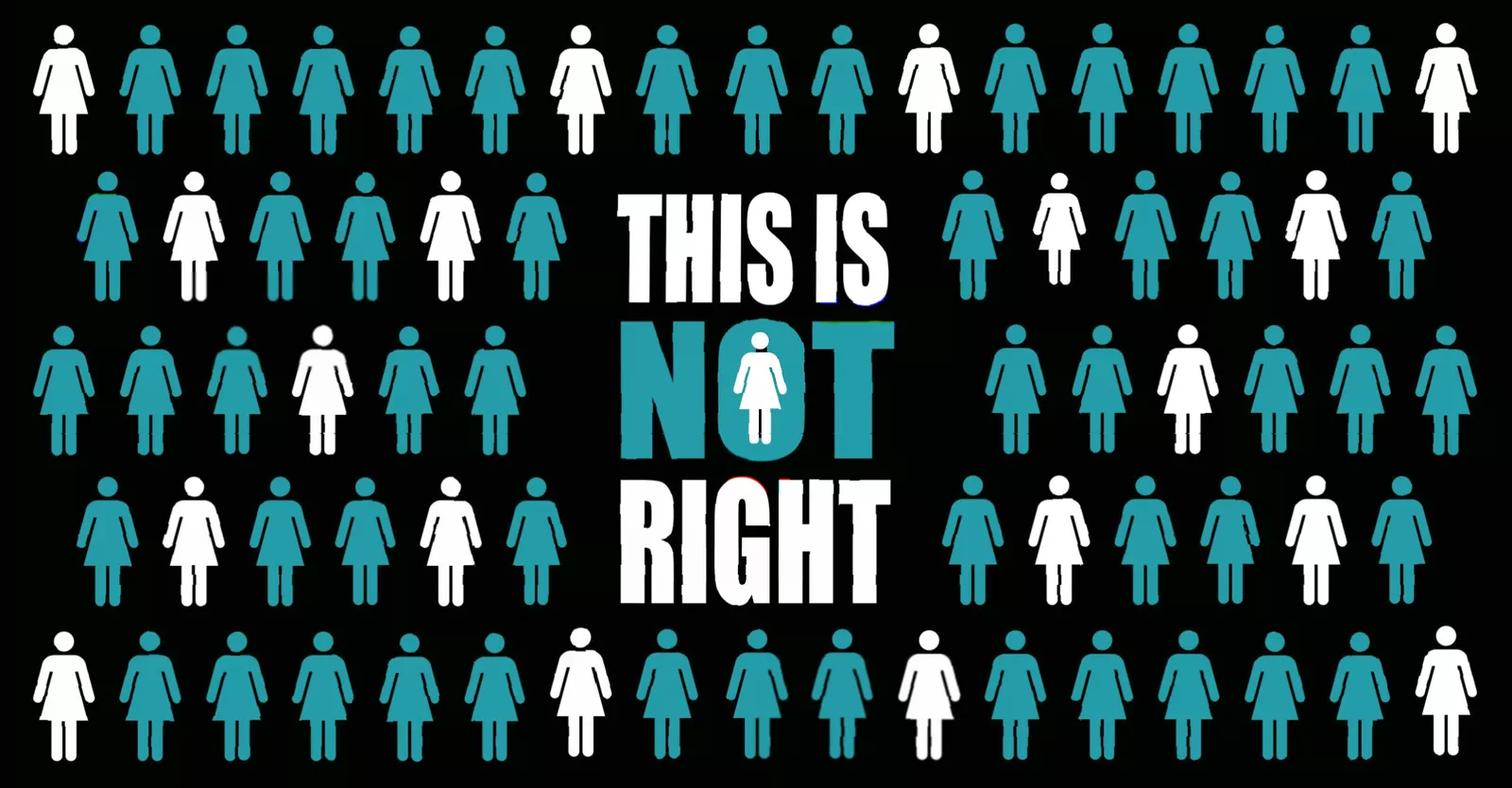
The campaign has been amplified by the “This Is Not Right” campaign, launched by Metro in November 2024 in partnership with Women’s Aid, Refuge, White Ribbon and Killed Women. The campaign highlights that one in four women in the UK experience domestic abuse in their lifetime, and that over 1.4 million women have experienced domestic abuse in the past year alone. There has been a 37% rise in violence against women and girls between 2018 and 2023, and globally, a woman or girl is killed in her own home every 11 minutes.