Pregnant women need dedicated A&E to identify warning signs, maternity scandal report urges

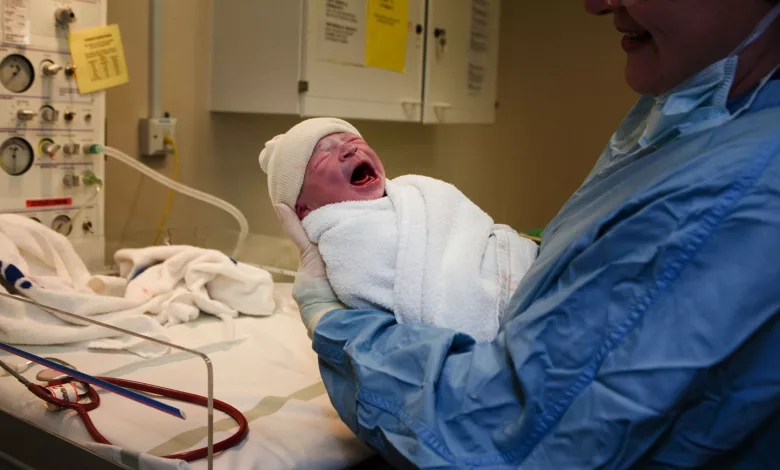
Pregnant women should have their own dedicated Accident & Emergency units designed to spot early warning signs, according to a major national review that has called for an urgent overhaul of maternity services in England.
Baroness Valerie Amos’s independent investigation, commissioned by former Health Secretary Wes Streeting, recommends the creation of rapid access maternity triage services that would allow expectant mothers to see senior midwives and obstetricians at much shorter notice than is currently possible. The review warns that triage teams are increasingly becoming the “A&E service for maternity” and need separate staffing alongside new mandatory standards.
The investigation, which gathered the views of more than 450 families and received over 10,500 responses to a public call for evidence, concluded that the “most critical” action for NHS trusts is to review their triage processes. Baroness Amos said that one of the clearest lessons from her work was that staff repeatedly failed to listen to women who were telling them something was wrong.
“Women who know their own bodies were talking about what was happening, that there were changes, that they were bleeding, and this was just dismissed or not listened to by anybody,” she said.
Systemic failures and a culture of dismissal
The review lays out a pattern of systemic failures across England’s maternity services, including weak accountability, workforce pressures, and a reluctance to take women’s concerns seriously. It echoes findings from the independent review led by senior midwife Donna Ockenden into maternity failings at Nottingham University Hospitals NHS Trust, which identified 520 cases of death and avoidable harm among mothers and babies since 2012.
Ockenden’s report, published in June 2026, examined more than 2,500 cases and involved meetings with over 500 families and 830 staff. It found that women were repeatedly turned away despite pleas for admission, driven by what it described as a “quest for a normal birth”. Baroness Amos, however, said her investigation had found that the “normal birth” ideology – which prioritises delivery without medical intervention – was not widespread, contradicting some previous reviews.
The Amos review also found that hospitals were failing to ensure senior doctors were present on maternity wards at night and at weekends. Its recommendations include new NHS rotas that guarantee obstetric consultants and anaesthetists are on duty around the clock to provide timely critical decision-making and intervention.
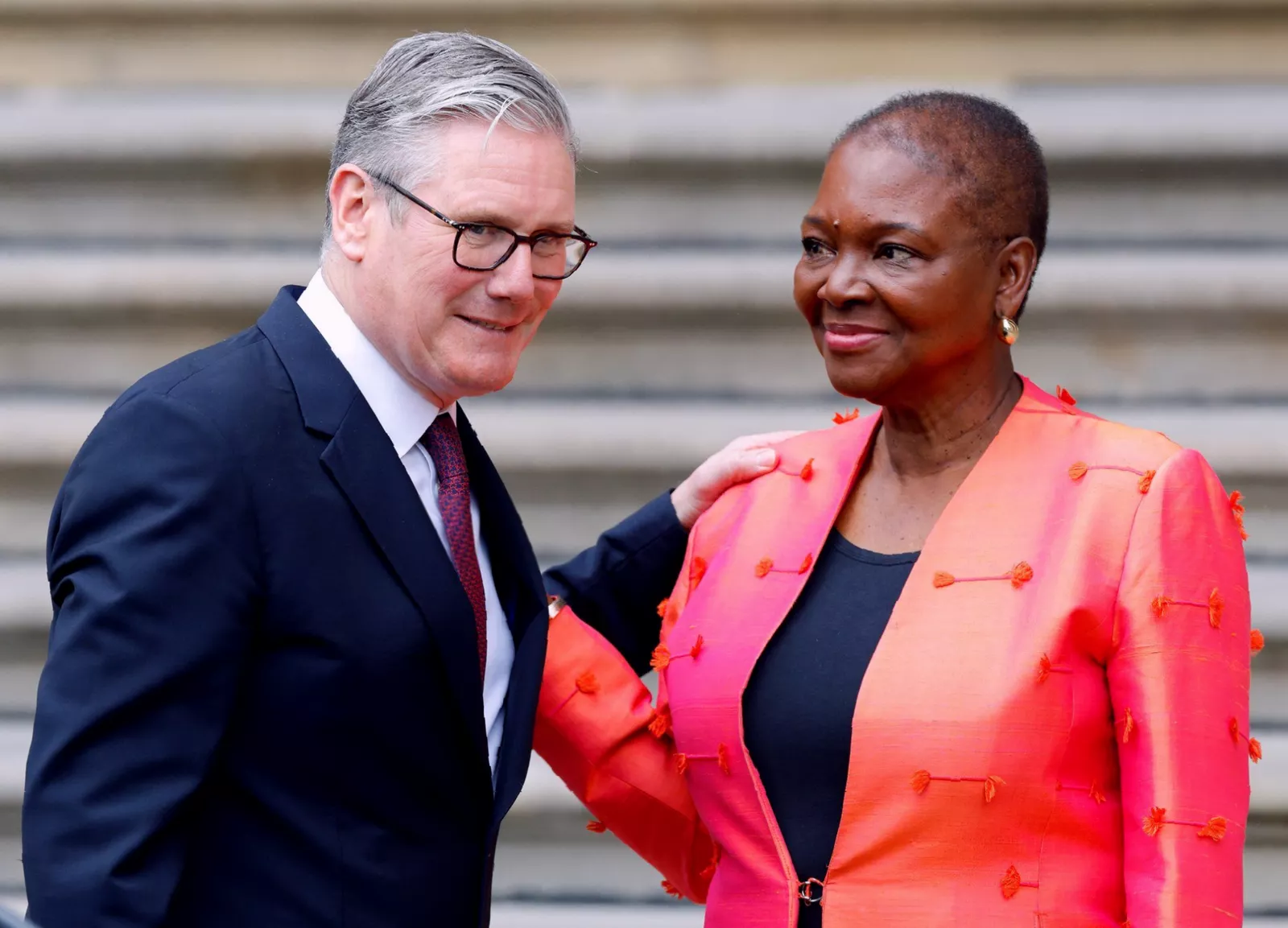
More than 9,000 staff members contributed to the investigation. Baroness Amos noted that many families had initially resisted the review. “Many families made it very clear at the outset in our early meetings that they did not want my investigation,” she said, adding that her role was to prevent further harm despite ongoing calls for a statutory public inquiry – which would have judicial powers to compel evidence and testimony under oath.
The review also suggests that ministers should establish a new specialist unit to assess maternity services, arguing that the Care Quality Commission lacks credibility with clinical teams, executive teams, and families.
Embedded racism and discrimination
The investigation found that racism and discrimination are embedded throughout maternity services. Government data from MBRRACE-UK shows that Black women are almost three times more likely to die in childbirth than White women, and Asian women are twice as likely.
The report documented instances of anti-Semitism, Islamophobia, and racial slurs. Jewish families suffered what it described as “more explicit anti-Semitic attitudes”, with one family reportedly being told “Jewish people are sneaky”. Muslim women had assumptions made about their ability to speak English as well as their clothing.
In response, the Labour government has announced the rollout of a Perinatal Equity and Anti-Discrimination Programme for NHS staff. It has also accepted the need for a new independent commissioner to speak up for women, babies, and families, and promised a National Action Plan by December 2026 alongside £41 million in additional safety funding for maternity and neonatal facilities. Plans include 1,000 temporary roles to support newly qualified midwives.
The report itself made 293 references to “birthing people” as well as women. Baroness Amos said the language was used to be “inclusive” but acknowledged it would attract objections. “I absolutely recognise that there will be some women who will be concerned about that … This is not about gaslighting anybody, it’s about trying to be as inclusive as possible,” she told the Telegraph. The review also cited “misgendering and improper use of pronouns” as a barrier to good care for LGBT families, noting that co-parents were often mistaken for a “sister” or “friend”.