As the UK struggled through the Covid-19 lockdown, a money laundering network based in east London was funnelling millions of pounds in criminal cash, communicating via the encrypted phone platform EncroChat in the belief they were invisible to law enforcement.
Lockdown Laundering Operation
Detective Inspector Weller, of the City of London Police Serious Organised Crime Team, said: “As the UK grappled with the challenges of the Covid‑19 lockdown, Raza and his associates were laundering vast sums of criminal cash, communicating under the presumed anonymity of EncroChat.”
Ali Raza, 43, and Adeel Aslam, 42, both from Ilford, were central figures in the network, which laundered more than £14 million in criminal proceeds between March and June 2020. The wider scheme is believed to have moved over £190 million between May 2019 and June 2020, with links to drugs and organised crime groups across the UK and overseas.
Raza ran a money service business in East Ham, Rana Money Exchange Ltd, which acted as a front to disguise illegal transactions. He was a trusted facilitator who accepted large volumes of criminal cash, with some single drops reaching £1 million. On one occasion, a Russian organised crime group delivered £1 million in a single cash drop. Aslam supported the operation on a daily basis, coordinating cash collections, relaying instructions and assisting with the movement of high-value sums.
The EncroChat Link
The network’s activities were exposed through intelligence gathered from EncroChat, a bespoke encrypted global communication service used exclusively by criminals. Law enforcement agencies – particularly in France and the Netherlands – infiltrated the platform, allowing the National Crime Agency (NCA) and UK police forces to monitor suspects’ conversations. The service was shut down in June 2020 after its administrators warned users of the breach.
The UK-wide response to this intelligence was codenamed Operation Venetic, described as the biggest and most significant operation of its kind in the country. British officials revealed that evidence from EncroChat conversations led to the seizure of five tonnes of Class A drugs, 115 guns, nearly 3,000 rounds of ammunition and £57 million in cash. Thousands of arrests have been made as part of the operation.
Raza and Aslam used EncroChat to coordinate their laundering activities, communicating under its presumed anonymity. The NCA estimates that around £1 billion of criminal cash is laundered through high street businesses annually in the UK, and the pandemic period saw a significant increase in fraud and money laundering as criminals exploited the disruption. Nearly £11 billion was lost to fraud or error across various Covid support schemes, according to government reports, and Nationwide Building Society was fined £44 million for failing to effectively monitor money laundering risks linked to fraudulent Covid furlough payments. Wider crackdowns such as Operation Machinize have targeted “dodgy shops” – barber shops, vape stores, mini-marts and sweet shops – used as fronts for illegal activity.
Police Strike and Sentencing
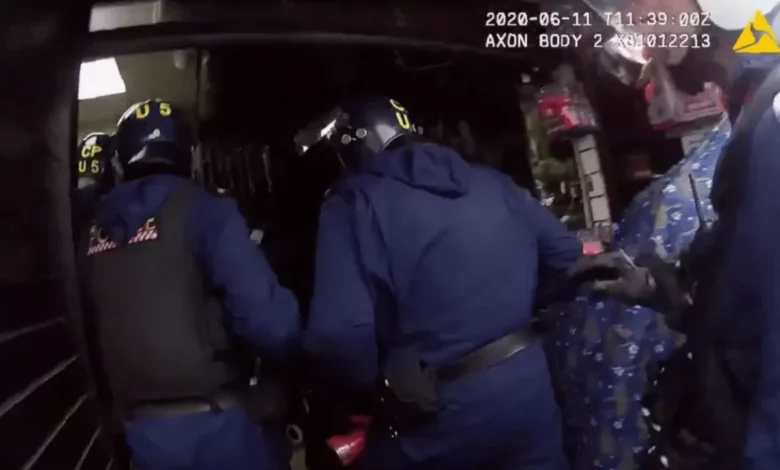
Ali Raza was arrested on June 11, 2020, in an underground car park in Walthamstow. He was found wearing a homemade money belt packed with £150,000 in £50 notes. Following his arrest, police searched his business premises and home. At Rana Money Exchange Ltd in East Ham they found £1.3 million in cash hidden in a safe. At his home they uncovered $300,000. Additional cash, gold and UAE Dirhams were found in safety deposit boxes in east London. In total, over £2.5 million in cash and gold was seized by the City of London Police Serious Organised Crime Team, working in partnership with the National Crime Agency.
Raza pleaded guilty to laundering £14 million between March 23 and June 12, 2020. He was sentenced to six years in prison, reduced to four years and eight months due to his guilty plea and time served on an electronic tag. Adeel Aslam was found guilty by a jury of participating in the same activity and received a three-year sentence, reduced to two years and two months due to time served on an electronic tag.