Rachel Reeves cautioned that twin tax rises could push Britons into organised crime networks

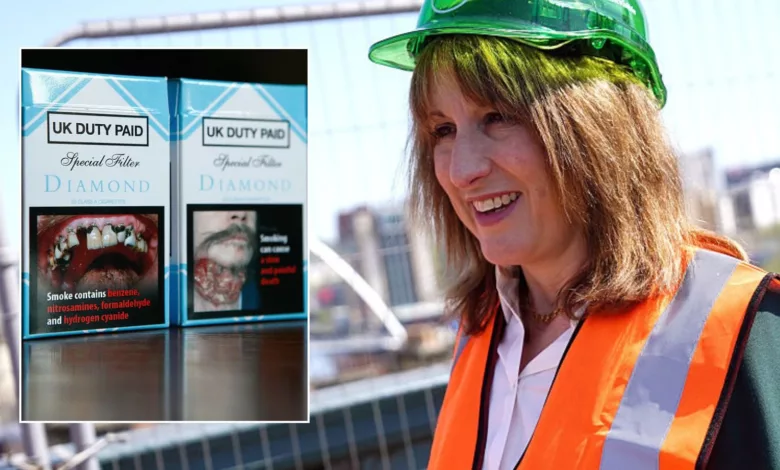
Nearly half of all cigarettes smoked in the UK last year came from illegal sources, according to a KPMG report that has laid bare the scale of the country’s illicit tobacco problem. The analysis, published this week, found that 45 per cent of cigarettes consumed in 2025 were illicit, with counterfeit and contraband products accounting for 32.3 per cent of total consumption and a further 13 per cent legally purchased overseas. The surge in illegal smoking – an increase of 1.5 billion cigarettes compared with 2024 – makes the UK the second-largest illegal market in Europe by volume, behind only France.
The financial cost to the public purse is severe. HM Treasury is estimated to have lost nearly £3.2 billion in tax revenue to the black market in 2024 alone, and researchers calculate that in 2025 the figure reached £4.46 billion – enough to fund more than 95,000 police officers. The KPMG report also highlights the growing role of “front shops”, retail outlets set up by organised criminal groups that pose as legitimate businesses – convenience stores, vape shops or barber shops – to distribute illicit tobacco and vapes. Smuggled and fake brands are typically imported from countries such as Turkey, Poland and Belarus, as well as free trade zones in the Middle East, but factories manufacturing illegal cigarettes are increasingly moving westward, with a number of high-profile raids of large factories taking place within the UK itself.
Illicit tobacco, which includes counterfeit products, non-duty paid goods and unknown brands sold illegally, undermines public health efforts. Its availability at lower prices encourages smoking, particularly among young people, because sellers are unlikely to enforce age restrictions. Organised crime groups frequently use the proceeds from illegal tobacco sales to fund other criminal activities, including human trafficking and terrorism.
MP warns of ‘tax double whammy’ driving customers to criminal gangs
Against this backdrop, Mary Glindon, the Labour MP for Newcastle upon Tyne East and Wallsend, has urged Chancellor Rachel Reeves not to press ahead with a scheduled tobacco duty hike that she warns could push smokers further into the arms of organised crime. Speaking exclusively to GB News, Glindon said: “It is no secret that I strongly support measures to discourage smoking and back the government’s Smokefree ambition. However, retailers in North Tyneside have made clear to me that the planned double tobacco duty increase later this year could further drive some customers towards the illicit market, undermining responsible local businesses and benefiting organised criminal gangs instead.”

The planned changes, due to take effect in October 2026, include a one-off increase of £2.20 per 100 cigarettes and per 50g of tobacco, combined with the annual tobacco duty escalator, which raises duty by RPI plus two per cent. Together, these measures are expected to push the price of a 50g pouch of rolling tobacco beyond £52. The one-off increase is designed to coincide with the introduction of a flat-rate Vaping Products Duty of £2.20 per 10ml of vaping liquid, intended to maintain the price differential between vaping and tobacco products and preserve the incentive to choose vaping over smoking.
Glindon drew parallels with the Chancellor’s recent decision to delay fuel duty increases, arguing the same approach should apply to tobacco levies. “Given the wider cost of living pressures still facing many households, I feel there is a strong case for the Treasury to consider pausing the planned double increase while continuing to strengthen enforcement against illicit tobacco and support responsible local retailers,” she said. The MP, a former Shadow Minister who has also participated in debates on the Tobacco and Vapes Bill – covering youth vaping and the role of vapes as a smoking cessation tool – has pressed the case for a pause rather than an outright cancellation of the duty rise.
The government maintains that high tobacco duty rates are an established tool to reduce smoking prevalence and ensure continued revenue. The tobacco duty escalator, introduced for cigarettes in 2010, was extended at the Autumn Budget 2024 until the end of the current Parliament. HM Revenue & Customs estimates that tobacco duties will raise approximately £8 billion in 2025-26. However, industry analysis suggests the planned rises will add 0.2 percentage points to CPI inflation at a time when households are already grappling with a cost of living crisis. Inflation peaked at 11.1 per cent in October 2022 and, while it had fallen to 2.0 per cent by May 2024, cumulative price rises mean the cost of living remains significantly higher than in 2021. Six in ten Britons have made cuts due to cost of living pressures, with many expecting their financial situation to worsen.
Imperial Brands, the tobacco company, has noted that despite multiple above-inflation duty increases since 2020, smoking prevalence has remained broadly unchanged, with legal tobacco volumes declining as consumers switch to illicit or non-duty paid consumption. The tobacco industry has used legal strategies such as stockpiling, changing product attributes and offering promotions to mitigate the impact of tax rises.
Enforcement efforts and rising seizures
Enforcement action against the illegal trade is intensifying, but the scale of the problem remains daunting. In South Tyneside, Trading Standards officers recently confiscated more than £10,000 worth of illegal cigarettes and tobacco from two retailers in Jarrow and Hebburn. The operation, involving a sniffer dog named Rosie, was part of “Operation Cece”, a UK-wide initiative led by Trading Standards in partnership with HMRC that targets the supply of illicit tobacco. The North East Trading Standards Association is part of a broader partnership aimed at reducing both the supply of and demand for illegal tobacco products.
Border Force seizures have also climbed sharply. Officers intercepted 927 million illicit cigarettes last year, compared with 783 million in 2022-23. In one notable operation at the Port of Purfleet in February 2016, Border Force prevented the smuggling of 2.64 million cigarettes that would have cost the Treasury approximately £775,000 in unpaid duty.
A senior Australian retail figure has warned of the violent consequences that can follow steep tobacco tax rises. In Australia, gangland conflicts, firebombings and murders have been linked to the high-revenue illegal tobacco market. The UK’s experience already shows that the trade is attracting organised crime, with the KPMG report noting the proliferation of front shops used by criminal gangs to sell illicit tobacco and vapes. The government’s strategy to tackle the problem includes efforts to reduce demand and disrupt organised crime groups, but the planned duty increases risk expanding the very market they aim to shrink.