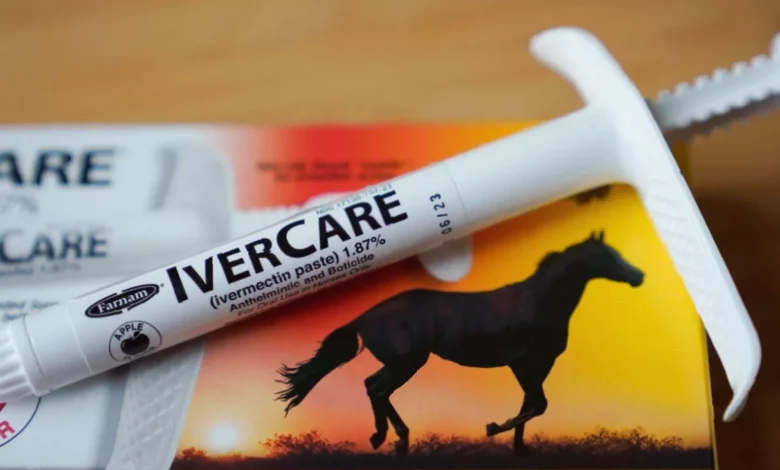
Prescriptions of ivermectin issued to cancer patients nearly doubled in the seven months to July 2025, according to a new study that links the surge to a celebrity endorsement on a popular podcast.
The research, published in JAMA Network Open and based on electronic health data from more than 68 million patients across 67 US healthcare organisations, found that ivermectin prescribing rates among people with cancer were 2.5 times higher between January 1 and July 31, 2025 than during the same period in 2024. White males living in the southern United States were most likely to receive the drug.
“The elevated prescribing observed among patients with cancer is particularly concerning,” the study authors wrote. “Individuals facing life-threatening illness may delay or forgo conventional treatments in favor of unproven therapies, potentially allowing their disease to progress.”
Celebrity Claims Spark Surge
The study, titled Ivermectin-Benzimidazole Prescribing Following Celebrity Endorsement, directly attributes the rise to actor Mel Gibson’s appearance on The Joe Rogan Experience on January 9, 2025. During the interview, Gibson claimed that three of his friends had survived stage 4 cancer after taking ivermectin and fenbendazole, a veterinary dewormer. The episode and its clips were viewed by more than 60 million people across multiple platforms.
The researchers noted that the demographic and regional patterns in prescribing rates “mirror the audience characteristics of the podcasts and media platforms promoting these regimens, suggesting selective amplification and reach of health misinformation.”
Robert F. Kennedy Jr., now US Secretary of Health and Human Services, has also promoted ivermectin as an alternative to COVID-19 vaccines on his podcast. In a related development, Florida announced following Gibson’s podcast appearance that it would invest public money into studying ivermectin as a potential cancer treatment.
Why Ivermectin Is Not a Proven Cancer Treatment
Ivermectin is an antiparasitic medication approved by the US Food and Drug Administration only for treating specific parasitic infections such as river blindness and strongyloidiasis. It is also widely used in veterinary medicine. Cancer is not a parasitic infection; it is a mutation of cells, and ivermectin has no regulatory approval or oncology guideline recommendation for cancer treatment.
Richard Simcock, chief medical officer at the UK charity Macmillan Cancer Support, stated: “There is currently zero real-world clinical evidence that it might be helpful in the treatment of cancer.” He noted that a great deal of the disinformation stems from laboratory studies in which ivermectin showed potential to help induce death in cancer cells when taken alongside conventional treatments. However, Simcock stressed that such lab findings cannot be directly replicated in humans. The concentrations used in many preclinical studies are near or above levels that would be toxic in people.
The American Medical Association opposes the off-label use of ivermectin for cancer, and surveys indicate that more than 90 per cent of oncology healthcare practitioners do not recommend it due to a lack of evidence.
The benzimidazole compounds mentioned alongside ivermectin also require careful explanation. Fenbendazole, the drug Gibson referred to, is a veterinary benzimidazole not approved for human use. Other benzimidazole derivatives, such as bendamustine, have been approved for certain blood cancers. But ivermectin and benzimidazole have never shown themselves to be effective in fighting cancer on their own in human trials. Even the more promising laboratory tests were conducted in conjunction with existing cancer drugs.
Patients who choose unproven therapies face serious risks. Delaying or abandoning evidence-based treatments such as chemotherapy can allow the disease to progress, and research suggests that using unproven therapies alone is associated with higher mortality rates for those with potentially curable cancers. Ivermectin can also cause neurological side effects, seizures, and potentially fatal interactions with conventional cancer medicines, and it can increase nausea and discomfort in patients already undergoing treatment.
Despite the surge in prescriptions, the FDA has not authorised ivermectin for any cancer indication, and the drug remains unregulated for uses beyond parasitic infection.