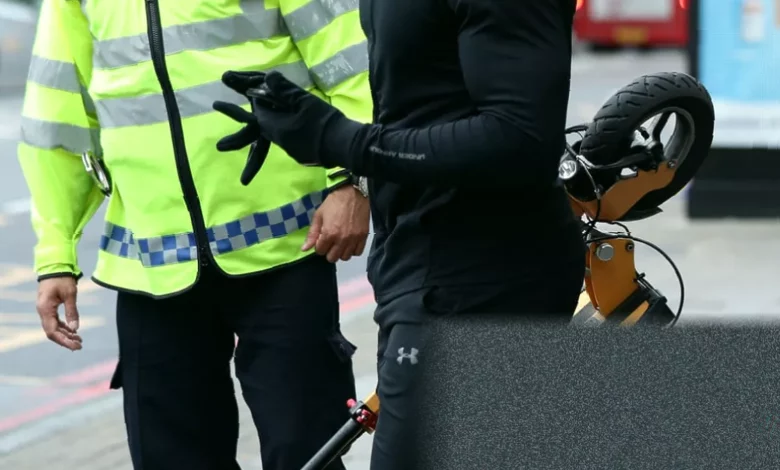
Fires sparked by electric bikes and scooters have surged to a record level in the UK, with 432 e-bike and 147 e-scooter blazes recorded in 2025 alone. The figures, obtained via Freedom of Information requests to fire brigades, mark a 38% increase in e-bike incidents and a 20% rise in e-scooter fires from the previous year.
A rising toll of injuries and fatalities
Behind the statistics lies a grim human cost. Since 2020, fires linked to the lithium-ion batteries in these vehicles have killed at least 10 people and injured approximately 190 across the UK. Last year, two people died in London, bringing the capital’s total fatalities to five since 2023. One victim was 30-year-old Eden Abera Siem, who died after a blaze at her north London home that investigators found was likely caused by a charging e-bike battery.
London Fire Brigade (LFB) remains the epicentre of the crisis, recording 171 e-bike and 35 e-scooter fires in 2025. Outside the capital, Nottinghamshire reported 30 e-bike fires, while Greater Manchester saw 13 e-scooter blazes. Deputy Commissioner Spencer Sutcliff said LFB firefighters “continue to be called out to a worrying amount” of incidents and are “extremely concerned around the issue of e-bike and e-scooter fires and the devastating impact these fires can have.”
The hidden dangers of online marketplaces and DIY kits
Experts point to a dangerous cocktail of unregulated products and poor consumer practices driving the surge. Nick Bailey of safety firm BatteryIQ states that the vehicles involved in fires are “always cut-price products sold through online marketplaces with lax quality control.” He also warns of a “growing black market in DIY and counterfeit batteries, particularly for delivery riders, built using battery cells reclaimed from used disposable vapes.”
These substandard batteries, along with faulty conversion kits or incompatible chargers, are the primary cause of fires. Once ignited, lithium battery fires spread rapidly and produce toxic vapour. Lesley Rudd, chief executive of the charity Electrical Safety First, says poorly made accessories sold via “under-regulated online marketplaces” are a major route for dangerous devices entering homes. “Without strong and enforceable changes, lives are at serious risk and further loss of life is sadly inevitable,” she said.
The consumer group Which? echoes these concerns. Sue Davies, its head of consumer rights policy, notes that “online marketplaces are increasingly saturated with unsafe products,” which undercut responsible businesses and pose serious risks.
A regulatory race to catch up
The legal landscape for these vehicles is complex. Privately owned e-scooters are banned from public roads and pavements nationwide, though illegal use is widespread, while government-approved rental trials continue. On public transport, Transport for London (TfL) banned private e-scooters in December 2021 and extended the ban to non-foldable e-bikes in March 2025 after a fire on a tube station platform.
For e-bikes, regulations state that legally compliant models—known as Electrically Assisted Pedal Cycles (EAPCs)—must have motors that cut out at 15.5mph, not exceed 250W power, and have functional pedals. However, police are finding many modified to go faster, increasing risk.
Authorities are now scrambling to strengthen safeguards. The government has launched a consultation on updating the product safety framework, which could impose stronger duties on online marketplaces. The recently passed Product Regulation and Metrology Act 2025 provides a framework for enhanced regulations. Furthermore, the Office for Product Safety and Standards has commissioned the development of a new technical standard for e-bike and e-scooter battery systems, expected in 2026.
The National Fire Chiefs Council is advocating for more direct action, calling for mandatory product safety rules, third-party testing for these vehicles, regulation of online marketplaces, and better battery disposal systems. For now, the record fire figures underscore a pressing public safety challenge that continues to outpace the current regulatory environment.