White working-class Britons are being locked out of dozens of scholarships and financial aid programmes at Oxford and Cambridge, with more than a dozen diversity schemes restricted exclusively to black, Asian and minority ethnic (BAME) students. Critics, including political figures and education campaigners, have warned that the university funding system is creating a “two-tier” academic environment that penalises students on the basis of their skin colour rather than their talent or background.
White working-class students are one of the most underrepresented groups in higher education, yet they are ineligible for a growing number of targeted bursaries and scholarships. An analysis of listings on the Universities and Colleges Admissions Service (UCAS) website has found that more than a quarter of all university bursaries and scholarships advertised are reserved specifically for international students or non-white individuals.
At Oxford and Cambridge, at least 15 scholarships, bursaries or financial aid schemes have been identified that are open only to BAME applicants, covering undergraduate, master’s and doctoral programmes.
The schemes under scrutiny
Among the most prominent is Cambridge’s Stormzy Scholarship, named after the British rapper and supported by HSBC UK, which has pledged significant funding to the programme with the aim of supporting 81 students by 2026. The scholarship currently awards ten black British students £20,000 per year for the full duration of their undergraduate degree. Launched in 2018, it has contributed to a marked increase in the number of black students admitted to undergraduate courses at Cambridge, according to university data.
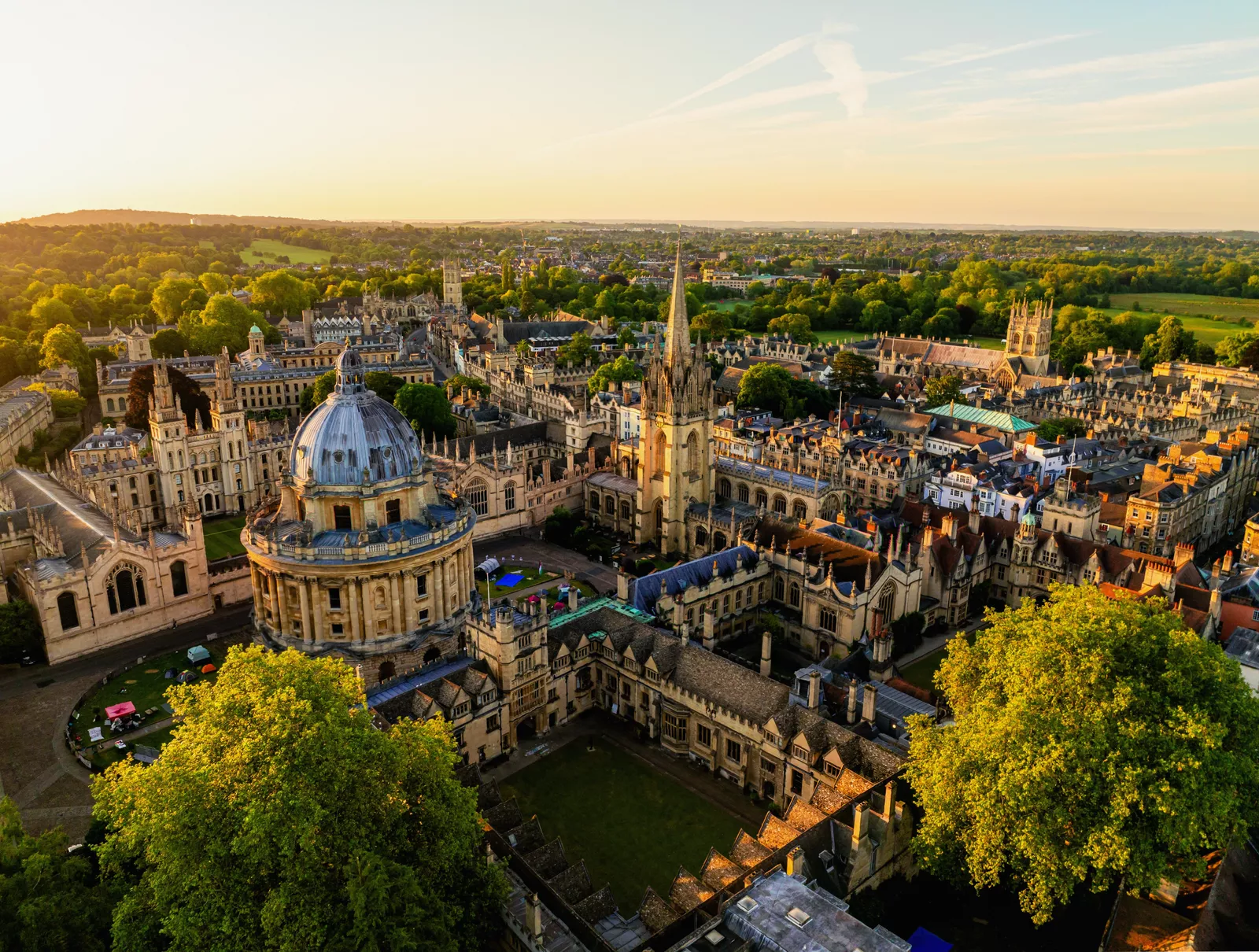
Cambridge also runs at least six further schemes targeted exclusively at BAME students, covering master’s and PhD programmes, though details of each have not been publicly itemised.
At Oxford, the Academic Futures programme offers full course fees for postgraduate study and is reserved exclusively for British Pakistani, British Bangladeshi, black students and refugees. The scheme also includes dedicated strands for care-experienced students – those who have lived with non-birth parents at some point in their life – and for refugees and people with lived experience of displacement.
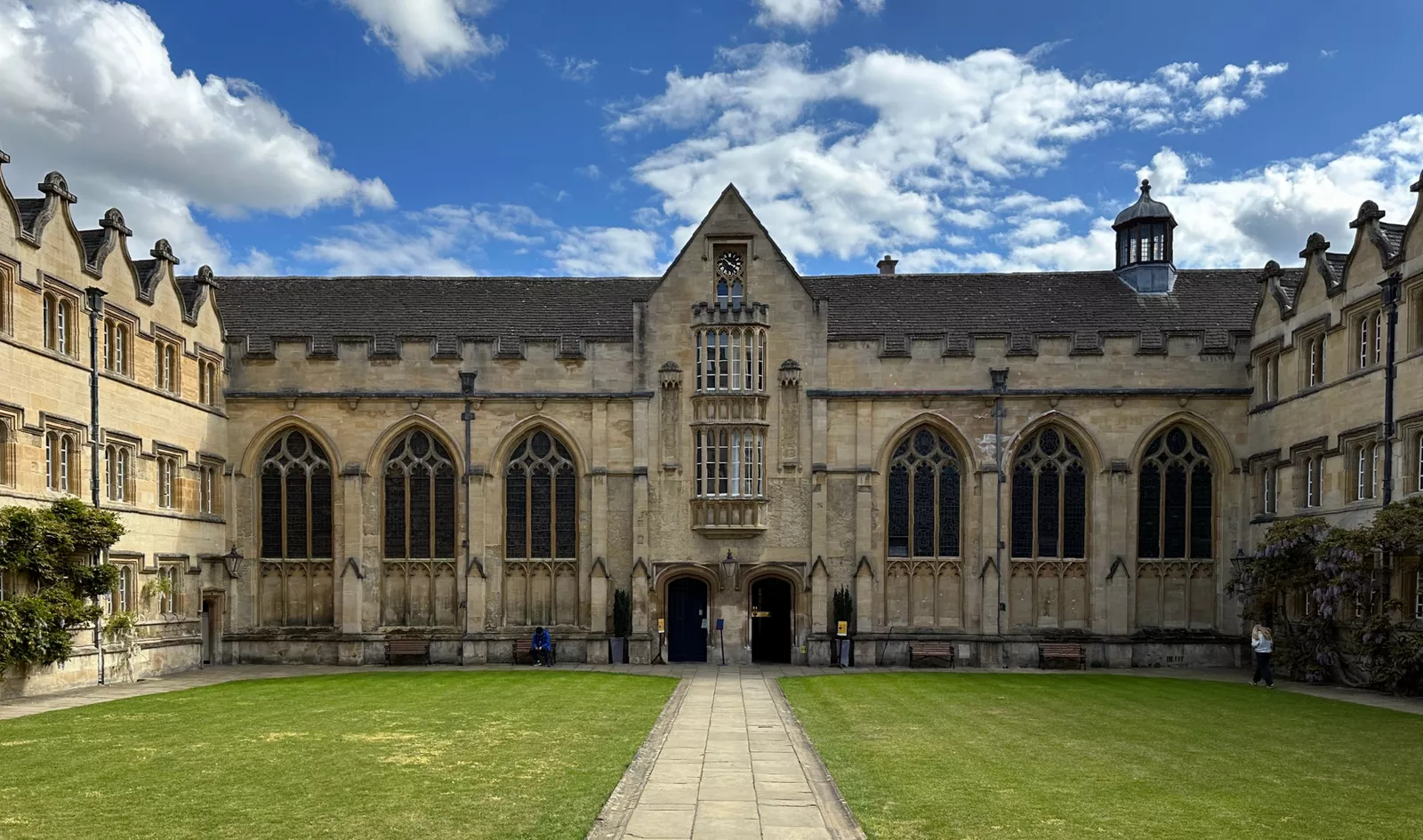
Since 2022, University College Oxford (Univ) has offered ten undergraduate bursaries each year under its Univ Beacon Programme. The bursaries are open to BAME students, refugees, asylum seekers, students who have spent time in care, and members of the Gypsy, Roma and Traveller communities. Priority is given to applicants from households with an annual income below £51,999.
Across both universities, the financial support for BAME students contrasts sharply with the broader picture of white working-class access. A 2019 report by the National Education Opportunities Network found that white working-class Britons comprised just three per cent of students at Oxford and Cambridge. Meanwhile, recent figures show that roughly 30 per cent of home students at Oxford (2025 intake) and 34 per cent at Cambridge (2023 intake) identify as BAME.
Political backlash
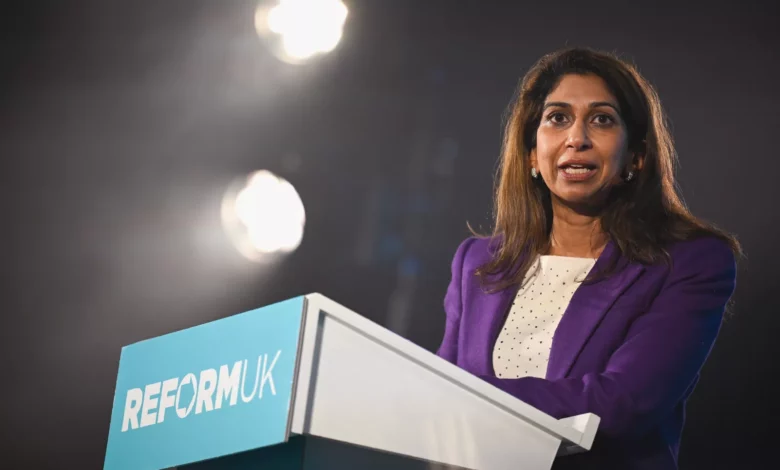
Suella Braverman, Reform UK’s education spokeswoman, told The Telegraph that the schemes amount to a betrayal of white working-class families. “Because of the Equality Act, white working-class families have been betrayed by a system that is designed to work against them,” she said. “This is yet another example of two-tier academic society that punishes white working class boys and girls because of who they are. If Oxford and Cambridge want to live up to their proud history of meritocracy, they should end these racially discriminatory programmes immediately and judge people on their talents, not their skin colour.”
Shadow Education Secretary Laura Trott echoed the criticism, calling for an end to what she described as “the endless stream of scholarships and financial aid schemes reserved for BAME students”. She said: “It’s time to move beyond identity-based preferences. Support should be focused on the most disadvantaged, regardless of their race or ethnicity, not to satisfy DEI targets or quotas.”
The debate comes alongside a government-backed inquiry into the educational outcomes of white working-class Britons, which identified the group as one of the most disadvantaged and underachieving in English schools. The inquiry found that white British pupils on free school meals were half as likely to pass GCSE English and maths as their peers. It recommended a “massive” expansion in apprenticeships, free local public transport for all under-21s, and a smartphone ban. The same inquiry also noted that universities can appear inaccessible or even irrelevant to white working-class young people, who are less likely to consider higher education as a viable path.
University position and legal context
Oxford University has defended its approach, pointing to a non-repayable annual bursary of up to £6,150 available to lower-income British students, based on household income rather than ethnicity. The university says this bursary is received by roughly one in four of its UK full-time undergraduates and is one of the most generous means-tested schemes of its kind. A source at Oxford stressed that this support is available to all eligible students regardless of background.
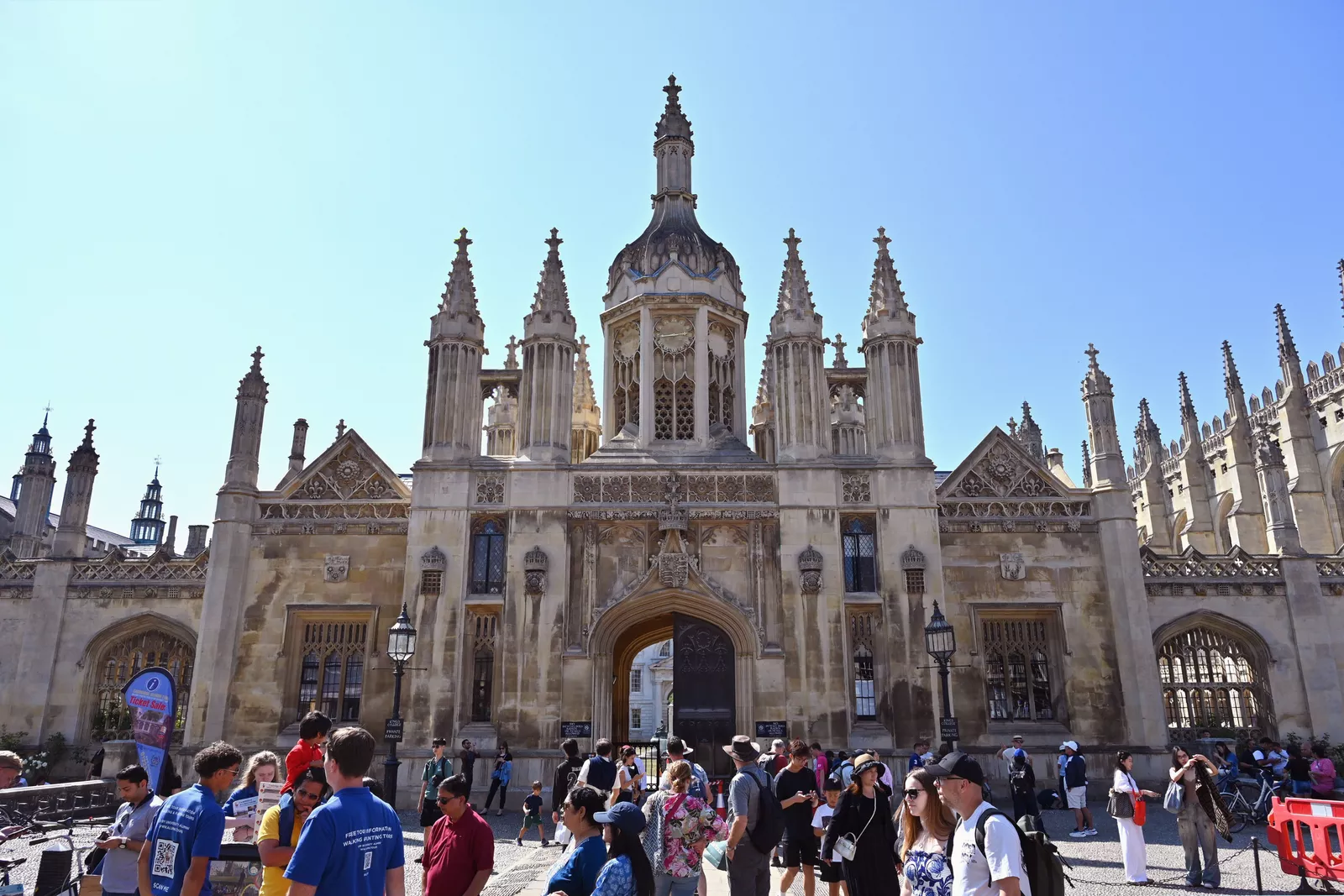
Cambridge was approached for comment by The Telegraph, and both universities maintain that their widening participation programmes are designed to address longstanding disparities in access to higher education.
Under the Equality Act 2010, “positive action” is permitted to help groups that face disadvantage or are underrepresented. Supporters of the diversity schemes argue they are lawful and necessary to widen participation for historically marginalised communities. Critics, however, contend that some of the programmes go beyond positive action into unlawful positive discrimination. Reform UK has called for the scrapping of Diversity, Equity and Inclusion rules and proposed replacing the Equality Act to end what it describes as discriminatory positive action.
The controversy extends beyond academia, with some corporations also reassessing their DEI goals amid growing public and political scrutiny.