In the gentrifying neighbourhoods of Europe’s most visited cities, the ubiquitous brunch spot has become more than a place for eggs Benedict. It stands as a potent symbol of how overtourism can flatten unique urban character, replacing local institutions with homogeneous cafes where the menu, decor, and clientele are indistinguishable from those in Berlin, London, or New York. For residents of Barcelona, a city gearing up for another tense summer of overcrowded streets and soaring rents, this generic “brunch culture” has become a specific target of ire, crystallised in the protest slogan: “Stop brunch!”
The sentiment echoes through a city feeling increasingly embattled. Beyond the general “Tourist, go home!” chants, Barcelona’s voluble anti-tourism protests highlight specific grievances like the impact of short-term rental platforms, with placards demanding “Ban Airbnb”. The critique of brunch is part of the same fight. These establishments are emblematic of a process where bars, restaurants, and shops serving local communities close, replaced by identikit businesses targeting visitors and charging prices that service spiralling rents. For many residents, it represents the erosion of the city’s identity and the stark question of who the city is truly for.
The Fork Breakfast: A Hearty Catalan Answer
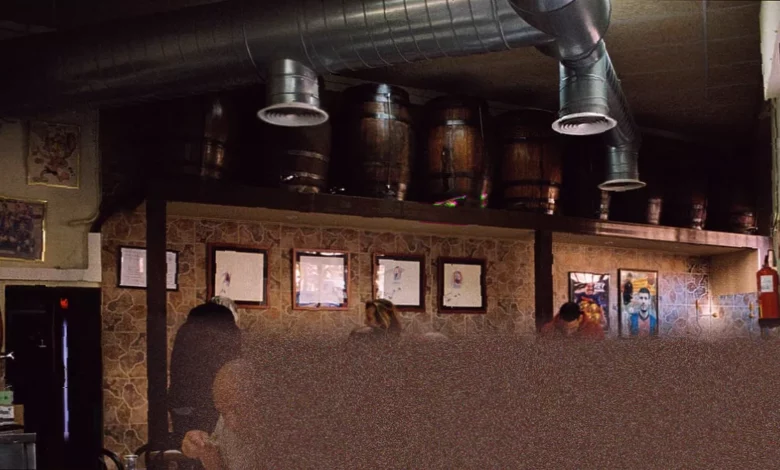
In response to this cultural homogenisation, a proactive and beautiful counter-movement has taken root, championing a deep-seated Catalan tradition: the esmorzar de forquilla, or “fork breakfast”. This is not a brunch substitute but a distinct, hearty meal with its own history. Originating in the 19th century, it began as an essential mid-morning repast for labourers, farmers, and fishermen in rural Catalonia who needed substantial fuel to power through a long day’s work.
The term itself is attributed to the celebrated Catalan writer Josep Pla, who used it to describe the generous meals served in traditional spots like the Fonda Europa in Granollers. Today, it has evolved into a social ritual, enjoyed in charming, old-school establishments that are a world away from minimalist brunch cafes. The core offering remains remarkably consistent and affordable: a main dish, bread, wine or beer, and a coffee, typically for less than €15.
The cuisine showcased is the robust heart of Catalan culinary identity. Dishes are slow-cooked, deeply flavoured, and often celebrate the whole animal, reflecting a history of resourcefulness. The most well-known might be trinxat, a pan-fried hash of potatoes and cabbage topped with crispy pancetta. Other classics include fricandó, a stew of veal and mushrooms with medieval antecedents; bacallà amb samfaina (fried cod on a bed of stewed Mediterranean vegetables); and botifarra, the region’s lightly spiced sausage.
For the adventurous eater, it is a paradise of offal. Options include callos (a rich tripe stew) and peus de porc (pigs’ feet). A standout is cap i pota, an intensely rich, gelatinous stew of veal head and feet, sometimes with tripe, whose origins lie in the necessity of using every part of the animal. This is food designed to satisfy and sustain, rooted firmly in its locale.
A Grassroots Revival, Powered by an App
The modern revival of this tradition was sparked in the autumn of 2020 by Albert Molins, a journalist at Catalonia’s leading newspaper, *La Vanguardia*. He started simply, creating a Google Maps listing of his favourite places to enjoy an esmorzar de forquilla. The response was overwhelming, transforming the list into a fully-fledged movement and a dedicated mobile application, EsmorzApp.
This crowdsourced tool now catalogues over 2,000 traditional breakfast spots across Catalonia, Valencia, and the Balearic Islands. It has connected an existing community of esmorzadors (fork-breakfast enthusiasts) and significantly expanded it. Gerard Llopart, owner of Gelida in Barcelona’s Eixample neighbourhood, noted that his esmorzars have grown in popularity, attracting a younger crowd alongside the traditional clientele of local workers and retirees.
Molins has emphasised that the esmorzar isn’t necessarily “better or worse than brunch, but it’s our history”. Its revival is a collaborative, community-led effort to preserve and celebrate local culture in the face of globalised blandness. Importantly, it is an authentic experience that welcomes visitor participation, offering a tangible way to step beyond the tourist bubble.
For those wishing to partake, the path is clear. Download the EsmorzApp, seek out a traditional establishment, and immerse yourself in a living piece of Catalan heritage. You may just find yourself, as many now do, practising the essential phrase: “Un cap i pota, si us plau?”