For those seeking refuge from the oppressive summer heat of New South Wales, the most profound relief often lies hidden from sight. Across the Northern Rivers region, a landscape of creeks and waterholes snakes through private bushland, invisible from the road. Finding them requires local knowledge, a journey down unmarked paths through thick forest where there is no line of sight to the oasis within.
A Sudden, Sensory Arrival
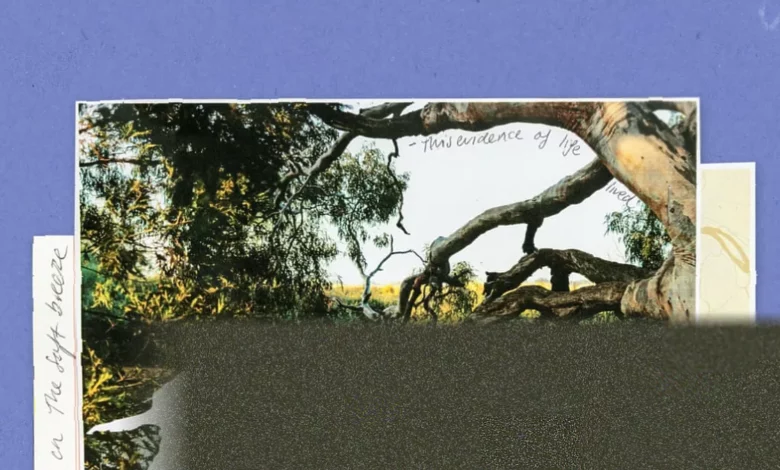
The journey to one such place offers little hint of what awaits. The approach is across dry, barren paddocks dotted with farm machinery and watchful cattle. Only as the track dips towards an old bridge does the scene transform: an expanse of breeze-rippled water appears, framed by the gracious sweep of overhanging trees. For those who know it, that first glimpse from the car window prompts a deep, involuntary exhale. This region, known for its diverse landscapes from beaches to waterfalls, holds these intimate, secluded swims close to its heart.
Gangs of Kids and the Ecstatic Relief of Cool Water
Thirty years ago, this waterhole was the domain of a raucous gang of kids. It belonged to the family of a longtime best friend, one of five siblings, and weekend sleepovers were defined by movement between friends’ houses and their various creeks. Each creek system is unique and constantly changing, reshaped by the flooding that is rife in this part of the world. From season to season, nothing stays the same.
This particular spot, a long, pebbled stretch with a swing-rope and an old cement staircase, was a theatre of noise and laughter. Kids would catapult from the rope into the deep through a haze of air-bubbles, or wage casual war from giant disused tractor inner-tubes. If the fun grew too loud, the family’s border collie, overcome with excitement, would leap from the bank straight into the fray. In Northern Rivers summers, where heat and humidity can make the air feel dense, the dive beneath the cool surface was an ecstatic relief, breaking the torpor and leaving swimmers feeling born anew. Afterwards, they’d lounge on the dappled bank, eating watermelon in the soft breeze, out of reach of the blasting sun.
Adult Reunions on Rearranged Shores
Decades on, the composition of the group has changed, yet the pilgrimage continues. The best friend now lives interstate, but several times a year the old crew converges at her family home. It feels, for all of them, like a homecoming. They look at each other, faces known since youth, and see the evidence of the seasons they have weathered: floods, droughts, births, deaths.
When they strip off, that life lived is written on their bodies in scars and wear and tear. Single file, they step down the same, now off-kilter cement stairs and plonk into the water like turtles. After cooling down, they lounge on the pebbly bank, legs in the water. The silt sticks to their skin, highlighting each tiny hair, making them suddenly appear animal—like primates gathering, as in days of old, to natter in the cool. The creek, much like themselves, has been rearranged by time. The deep part is no longer where it once was, shifted by the floods that have continually altered this dynamic environment.
The Water’s Enduring Hold: Memory, Healing, and Flow
In the creek, their troubles come adrift. They flow away downstream, held for a moment by the hypnotic, soothing act of treading water. Birds call, lizards scuttle, and dragonflies waft in the breeze. Time stills. Sometimes, eyes brim with tears, all that they have survived humming in the space between them. The water, softly and tenderly, holds that too, carrying it in the flow.
This symbolic significance of waterholes as places of memory and healing resonates far beyond this single group. For Aboriginal peoples, such sites are central to knowledge, belief systems, and cultural identity, their health intrinsically linked to community wellbeing. The environmental pressures on these refugial habitats are acute. Research indicates that climate change, with projected increases in temperature and altered rainfall, could drastically reduce waterhole areas in northern Australia, impacting these crucial aquatic ecosystems. The region has already endured severe, record-breaking floods that have reconfigured coastlines and towns, a stark reminder of the natural and human cycles of destruction and renewal.
Soon enough, the friends climb back into their cars, collecting their troubles along the drive back to their separate lives. But in those gathered moments, suspended in the cool, dark water of a hidden hole, they are—as they have been for thirty years—light and free.