A jury has found Meta and YouTube liable for designing deliberately addictive products that hooked a young user, marking a historic legal defeat for the tech giants and setting a precedent that could reshape the industry.
The Los Angeles superior court jury reached its verdict after nearly nine days of deliberations, following a six-week trial. It found both companies negligent and guilty of failing to warn users about the risks of their products, awarding the plaintiff, a 20-year-old woman identified in court as KGM, $3 million in compensatory damages. Meta is responsible for 70% of the sum and YouTube, owned by Google, for 30%. A separate phase to determine punitive damages will follow.
The Plaintiff’s Experience
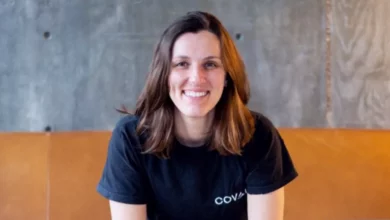
The case centred on the experience of KGM, whose full name is Kaley. She testified that she began using YouTube at age six and Instagram at nine, later joining Musical.ly (which became TikTok) at 10 and Snapchat at 11. Her lawyers argued this prolonged, early exposure to features engineered for addiction led to depression, anxiety, self-harm, and a diagnosis of body dysmorphic disorder and social phobia by age 13.
Her legal team, led by attorney Mark Lanier, framed the case not around harmful content but around harmful design. They argued that specific product features—like infinitely scrollable feeds and video autoplay—were deliberately crafted to keep users, including children, engaged for as long as possible. Lanier described these features as “Trojan horses” and framed the argument in terms of the “engineering of addiction,” drawing a direct parallel to lawsuits against the tobacco industry in the 1990s.
During the trial, internal company documents were presented as evidence. One message from an Instagram employee, shown to the jury, read: “We’re basically pushers… We are causing Reward Deficit Disorder bc people are binging on IG so much they can’t feel reward anymore.”
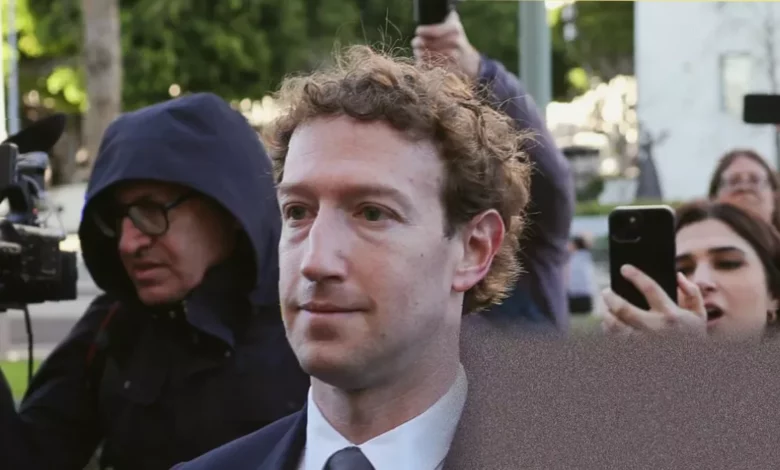
In defence, Meta argued that KGM’s mental health struggles were caused by a difficult home life, citing records of emotional and physical abuse and academic struggles. A company spokesperson stated that “not one of her therapists identified social media as the cause.” Meta CEO Mark Zuckerberg gave his first-ever jury testimony, asserting that existing research does not conclusively prove social media causes mental health harm. YouTube’s spokesperson, José Castañeda, called the allegations “simply not true,” adding that providing a safer experience for young people is core to its work.
Broader Implications and Legal Onslaught
The verdict arrives amid a mounting legal and regulatory assault on social media companies over their impact on young people. Just one day earlier, a New Mexico jury found Meta liable for misleading consumers about platform safety and enabling child sexual exploitation, ordering the company to pay $375 million in civil penalties. Meta has said it will appeal that ruling.
KGM’s case is the first “bellwether” trial in a consolidated group of over 1,600 lawsuits in California against Meta, TikTok, YouTube, and Snap. These bellwether trials are used to gauge jury reactions and set legal precedent for the wider litigation. The two other defendants in this suit, TikTok and Snap, settled with KGM for undisclosed sums just before trial began in late January 2026.
This is part of an even larger legal landscape. A multidistrict litigation (MDL 3047) in the Northern District of California consolidates over 2,000 federal lawsuits with similar allegations, with a separate series slated for trial in San Francisco in June. Furthermore, in October 2023, 33 US states filed a federal lawsuit in California accusing Meta of knowingly designing addictive features that harm young people’s mental health and of illegally collecting data on children under 13.
The consecutive verdicts against Meta represent the first time juries have found the company liable for harms linked to its platforms. Legal experts view the outcome as a potential industry inflection point, exposing internal company findings and increasing regulatory scrutiny. The decision could spur global settlements for the thousands of pending cases and forces a fundamental confrontation over whether the addictive design of social media platforms constitutes a tangible, compensable harm.