Trump administration seeks to scrap rule safeguarding millions of acres of national forests

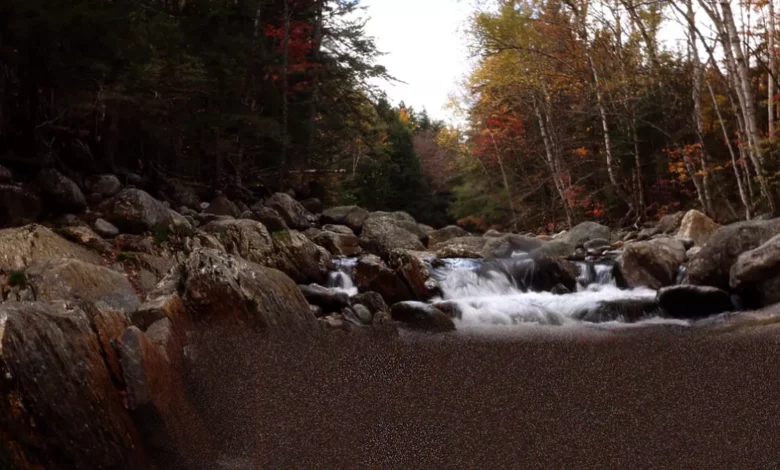
The Trump administration is pushing to dismantle a long-standing environmental safeguard that has protected more than 58 million acres of America’s national forests from development, opening the way for logging, road-building and industrial extraction on some of the country’s last remaining wild lands.
The Rule’s Origins
The Roadless Area Conservation Rule, established in 2001, bars road construction, reconstruction and commercial timber harvesting across inventoried roadless areas within the National Forest System. The policy emerged from an extraordinary public consultation process: more than 1.6 million comments were submitted, with the vast majority backing the protections. Originally covering nearly 60 million acres, the rule today applies to approximately 45 million acres across 38 states and Puerto Rico. Separate state-specific rules for Idaho and Colorado are not affected by the current rescission effort.
Charles F. Sams III, who served as director of the National Park Service from 2021 to 2025 and is a member of the Cayuse and Walla Walla tribes, describes the rule as a covenant. Growing up on the Umatilla Indian reservation in north-eastern Oregon, he recalls the Cayuse creation story in which Salmon gave humans two gifts — a voice and a body to nourish them — in exchange for a promise of good stewardship. “Removing the Roadless Rule would be an assault on that covenant,” he writes.
The Proposed Rescission
On June 23, 2025, US Secretary of Agriculture Brooke L. Rollins announced the intent to rescind the Roadless Rule. The Department of Agriculture (USDA) then issued a formal notice on August 29, 2025, beginning the process to prepare an environmental impact statement and a proposed rule change. The public comment period for that initial stage closed on September 19, 2025. The USDA is now reviewing submissions and expects to publish a draft environmental impact statement and proposed rule in early 2026, with a final decision anticipated later that year.
The proposed rescission includes the Tongass National Forest in Alaska. That forest was previously exempted from the Roadless Rule by the Trump administration in October 2020, only for the Biden administration to reinstate protections for roughly 9.2 million acres in January 2023. Under the current plan, the Tongass would once again lose its roadless protections.
The move is part of a broader campaign by the Trump administration to reshape public lands. Sams notes that since he stepped down, the administration has fired hundreds of park superintendents, rangers, tour guides, biologists, archaeologists and other staff from the National Park Service. In 2025, more than 320 million people visited the national parks, and millions more used national forests. The aim, he argues, is “to disconnect everyday citizens and visitors from their relationship to these lands, from our history, and from our collective ownership”.
Ecological and Human Impacts of Removing the Rule
Opponents of the rescission point to severe consequences for biodiversity, water quality, climate resilience and Indigenous cultures. The roadless areas currently protected by the rule are among the last undisturbed wildlands in the United States — forests, wetlands, canyons and other habitats that shelter threatened and endangered species, including grizzly bears, wolves and salmon. These unfragmented landscapes also support healthy populations of game animals such as elk and mule deer.
Removing roads and halting timber harvests also protects drinking water sources. More than 180 million Americans rely on forested lands to capture and naturally filter their water supply. Sams warns that opening these areas to logging and construction “pollutes that water with sediment and more. No one that I know welcomes the higher water bills that come with decontamination.”
The rule also plays a role in climate resilience: intact forests act as carbon sinks, helping to mitigate global warming. Recreational users — hikers, climbers, hunters, anglers and campers of all political stripes — depend on these backcountry areas. Sams insists that “few things unite the people of this country like their love of the land. Hunters, anglers, hikers, campers, families of every stripe support the national treasures that are our wild places.”
Arguments put forward by proponents of rescission centre on forest health and wildfire management. Some industry groups and western lawmakers contend that the Roadless Rule prevents active thinning and fuel reduction, increasing the risk of severe wildfires, and that road-building would improve access for firefighting. Yet research cited in a briefing prepared for this newsroom suggests roads themselves can act as ignition points. Data from 2001 indicated that approximately 98% of wildfires in roadless areas were suppressed while still small. Opponents also note that the Forest Service already manages a road network with a maintenance backlog estimated at between $4.5 billion and $8.5 billion; building new roads in roadless areas would add to that taxpayer burden.
The National Association of Home Builders supports repeal of the rule, calling it “overly restrictive” and arguing it blocks “federal timber harvesting in a healthy and sustainable manner”. Environmental groups — including Sierra Club, Greenpeace USA, Earthjustice, the Natural Resources Defense Council, the Center for Biological Diversity, The Wilderness Society, Defenders of Wildlife, the National Wildlife Federation, the National Parks Conservation Association, Environment America, Save the Boundary Waters, Oregon Wild and many others — have lined up in opposition.
For Indigenous communities, the stakes go beyond ecology. Decades ago, Alphonse “Frenchy” Halfmoon, chairperson of the Umatilla tribe, advocated for removing roads on the reservation as a way of reconnecting people to lands that had sustained them since time immemorial. Sams recalls walking those former roads — now trails — with his family up to Iskuulpa Creek, where salmon can run more easily. “It takes a lot to remove a road. And while nature is resilient, it takes even more to heal the land and habitats after the road is gone. A better option: in our national forests, just don’t build them,” he writes.
A Call to Action
With the USDA currently reviewing comments and a draft rule expected in early 2026, the opportunity for public input is not over. Sams urges citizens to tell their representatives and the US Forest Service that the government should not rescind the Roadless Rule. “You have to fight. Democracy, as the saying goes, is a contact sport,” he writes. “Public lands belong to us all, including you. That means you get a say. It also means you share the responsibility of caring for them — and, when they are cared for, you get the joy of benefiting from them. Keeping the Roadless Rule benefits every last one of us.”