The United Nations has adopted a new political declaration on fighting HIV/AIDS, but for the first time in more than two decades the text was not agreed by consensus. While 149 member states voted in favour at the high-level meeting in New York, eight countries voted against it, and fourteen others abstained – a rupture that underscores deepening divisions over human rights, intellectual property and the future of international cooperation on HIV.
Countries on the losing side
The United States, Russia, Israel, Burkina Faso, Burundi, North Korea, Niger and Saudi Arabia all voted against the declaration, which is meant to reaffirm global commitments to ending AIDS as a public health threat by 2030. Of the fourteen abstaining nations, nine were from the Middle East. The absence of consensus marks a sharp break from the pattern established since 2001, when political declarations on HIV/AIDS were always adopted unanimously.
Why the US opposed: ‘divisive topics’ at the heart of the split
The United States said it opposed the declaration because it included “divisive topics” beyond the internationally agreed HIV targets. A statement from US ambassador Tammy Bruce said the text had strayed from the established 95-95-95 testing and treatment goals by reaffirming documents that lacked consensus or were not directly related to fighting AIDS.
Specifically, Washington objected to references to sexual and reproductive health and rights, as well as language on intellectual property and technology transfer. The US has long insisted that technology transfer should take place on “voluntary and mutually agreed terms” to protect patent holders. But a last-minute amendment proposed by Malawi on behalf of the Africa Group removed the phrase “mutually agreed terms”, arguing that it undermined the objective of enabling countries to produce their own HIV treatments. That move incurred the disapproval of the European Union, Switzerland and Canada, who formally dissociated themselves from those paragraphs.
The US position also reflects a broader shift under the Trump administration, which has targeted the LGBTQ+ community through anti‑transgender policies and executive orders defining sex as strictly male or female at birth. Those directives have led to the stripping of funding from community health centres and HIV/AIDS clinics supporting transgender individuals, while the administration has allowed the National HIV/AIDS Strategy to lapse and drastically cut programmes developing an HIV vaccine.
Other objections and a weakened text
Russia cited “at least 20 unacceptable provisions linked to intervention in domestic affairs of member states”, accusing the declaration of imposing “scientifically dubious notions”. Moscow specifically criticised references to harm reduction programmes and drug‑use policies, as well as gender‑related terminology.
Israel said it opposed the declaration because it included trade issues and also criticised a reference to the 2016 Durban Declaration on HIV, alleging that the document harbours “anti-Semitic” elements – an accusation it did not substantiate.
The European Union, speaking through Cyprus after the vote, expressed “deep regret that the overall balance and ambition of the text that we have adopted is weaker” compared with the previous declaration in 2021, particularly concerning the “human rights‑based approach”.
Funding cuts already hitting hardest
The diplomatic rupture comes as international aid funding cuts are already putting pressure on prevention and testing programmes in some of the world’s most affected countries. Modelling published in The Lancet HIV last year projected that reduced international funding could lead to between 4.4 and 10.8 million additional new HIV infections globally by 2030, along with 770,000 to 2.9 million extra HIV-related deaths. The cuts – proposed by major donors including the US and the UK – could reduce global international HIV funding by 24 per cent by 2026.
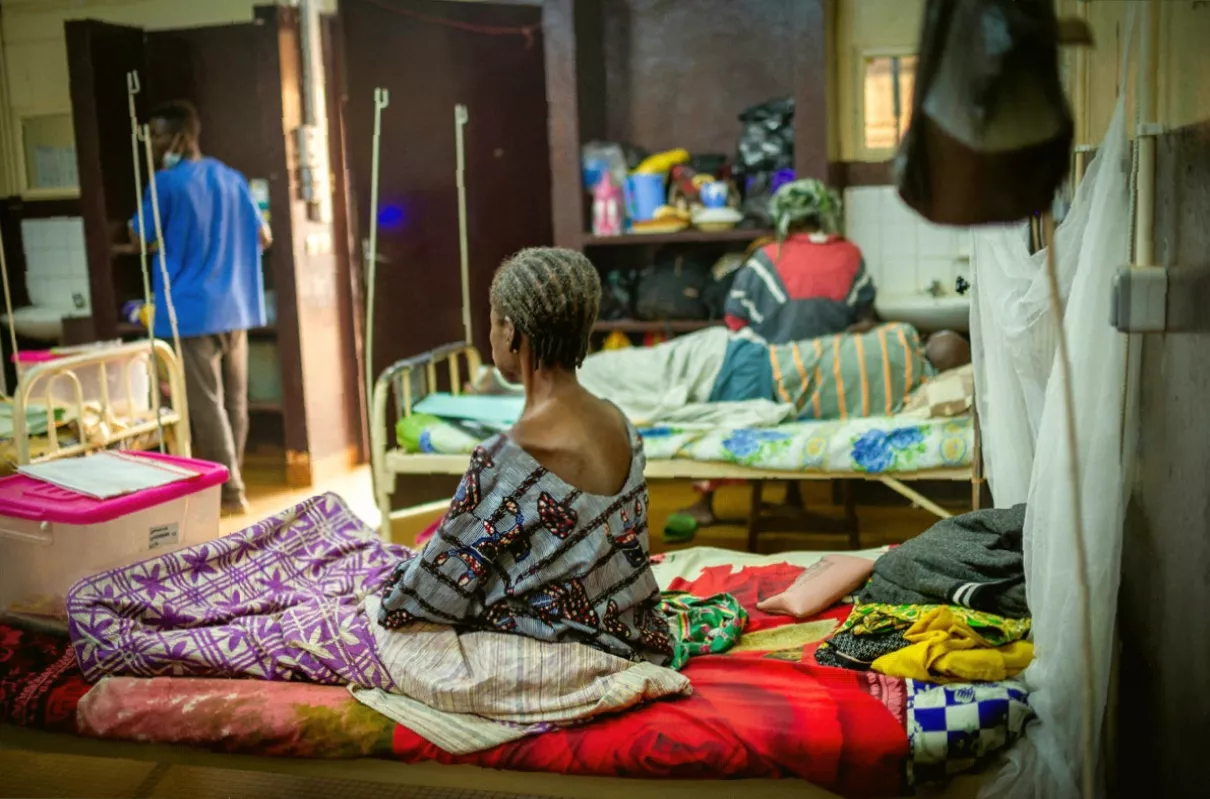
UNAIDS and the World Health Organisation have warned that discontinued funding and reductions from other major donors could result in millions of additional AIDS-related deaths. Clinics in countries such as South Africa, Zimbabwe and Haiti have already been forced to reduce testing and halt the distribution of free prevention medication.
The US government’s pause on foreign aid in January 2025 and subsequent cuts to PEPFAR and USAID-supported programmes have disrupted access to essential HIV services. Although some US aid has been reinstated, the Trump administration has begun a phased withdrawal of HIV/AIDS funding for South Africa – the country with the world’s largest HIV-positive population. UNAIDS executive director Winnie Byanyima warned that the move is likely to cost lives and reverse the progress made so far. US officials told the BBC the cut was partly in response to South Africa’s alleged failure to protect the white-minority Afrikaner community, though the US State Department later cited demands including reducing South Africa’s partnership with Iran, ending Black Economic Empowerment policies, and addressing the “Kill the Boer” chant. The State Department said PEPFAR was never intended to be permanent and that South Africa, as a middle‑income country, is capable of funding its own health programmes.
The declaration itself acknowledges that global HIV targets for 2025 have not been achieved, raising questions about the international community’s ability to end AIDS as a public health threat by 2030. It emphasises the importance of community-led services, which are particularly at risk due to reduced external funding.
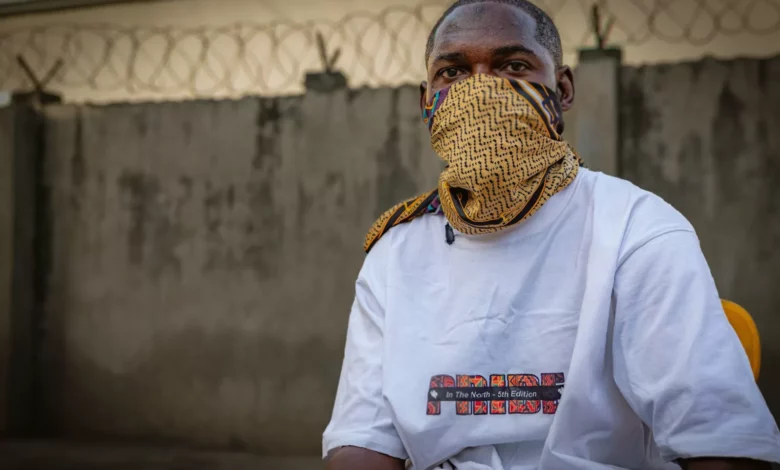
The growing stigma surrounding HIV was highlighted this week by reports of so‑called “kito” attacks in Nigeria, in which LGBTQ+ people are lured, kidnapped and extorted, with victims sometimes having their HIV status exposed during the attacks. The practice deepens stigma and puts those living with HIV at further risk of isolation and loss of access to care.