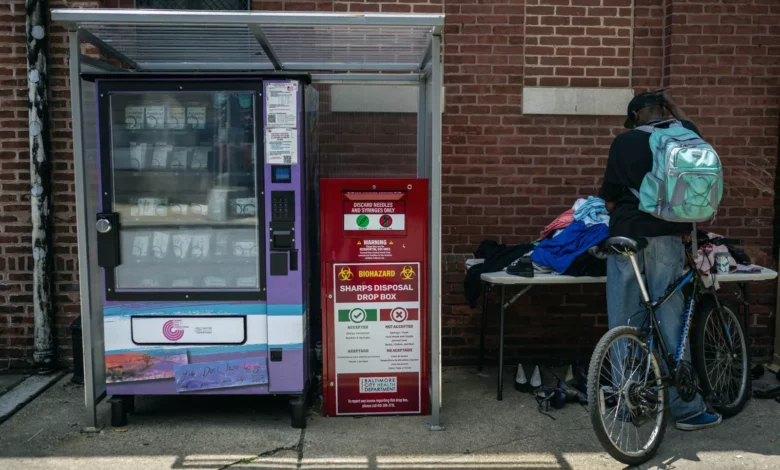
Drug overdose deaths in the United States fell by about 14 per cent last year to approximately 70,000, marking the third consecutive annual decline and the longest sustained drop in decades, according to preliminary federal data released by the Centers for Disease Control and Prevention (CDC). The figure is broadly comparable to the number of overdose deaths recorded in 2019, before the COVID-19 pandemic fuelled a dramatic surge in fatalities.
Provisional data for the twelve months ending November 2025 puts the toll at 70,231 deaths, a 15.9 per cent decrease from the previous year. The largest year-on-year decline occurred between 2023 and 2024, when the age-adjusted rate fell by 26.2 per cent from 31.3 to 23.1 deaths per 100,000 standard population. In absolute terms, there were an estimated 79,384 overdose deaths in 2024.
The CDC reported that reductions were observed across a range of drug types, including fentanyl, cocaine and methamphetamine. Between 2023 and 2024 alone, deaths involving synthetic opioids other than methadone fell by 35.6 per cent, those involving cocaine dropped by 26.7 per cent, and fatalities linked to psychostimulants with abuse potential declined by 19.8 per cent.
Declines in overdose death rates were recorded across all age groups, with the most pronounced decreases among younger people. The 15–24 age group saw a 37 per cent reduction, while those aged 65 and older experienced an 8.8 per cent fall. Rates also fell for all racial and Hispanic-origin groups, with the largest decrease among Black non-Hispanic individuals. Between 2023 and 2024, the death rate for males dropped by 27.3 per cent and for females by 23 per cent — the largest annual decreases for either sex in a decade.
While the vast majority of states recorded a fall in overdose fatalities, Arizona, Colorado and New Mexico bucked the trend, each seeing increases of 10 per cent or more in some instances.
Contributing factors to the decline
Researchers point to a combination of factors that may explain the sustained downturn. These include the expanded availability of the overdose-reversing drug naloxone, broader access to addiction treatment services, and shifting patterns of drug use among the population. The growing impact of billions of dollars from opioid lawsuit settlements has also helped fund prevention and recovery programmes in many states, while some research suggests that regulatory changes in China several years ago may have reduced the supply of precursor chemicals essential for the illicit manufacture of fentanyl.
Another theory gaining attention is that the pool of people most vulnerable to overdose is shrinking. Fewer teenagers are initiating drug use, and many long-term users of illicit drugs have died, leaving a smaller at-risk population. Some experts also point to lingering effects from pandemic-era stimulus measures, which may have temporarily improved economic stability for some individuals.
Brandon Marshall, a Brown University researcher who specialises in overdose trends, expressed cautious optimism about the trajectory. “I’m cautiously optimistic that this represents really a fundamental change in the arc of the overdose crisis,” he said, adding a note of warning: “If deaths are going down rapidly, that means they can increase just as rapidly if we take our foot off the gas.”
The recent decline follows a long-term upward trend that accelerated sharply during the pandemic, when social isolation and disrupted access to addiction treatment drove overdose deaths to a peak of nearly 110,000 in 2022.
Emerging drug threats and policy concerns
Despite the encouraging headline numbers, health and law enforcement officials warn that the illicit drug supply is becoming more dangerous, with new and highly potent substances entering the market at an accelerating rate. Alex Krotulski, director of the Center for Forensic Science Research and Education (CFSRE), which runs a federally funded drug early warning system, reported that his lab identified 27 new drugs in 2025 and a further 23 in the first five months of 2026 alone. “The drug supply continues to change and evolve,” he said.
Among the substances causing the greatest concern is cychlorphine, a novel synthetic opioid that experts estimate to be up to ten times more potent than fentanyl. First identified in 2024, cychlorphine has been increasingly detected in toxicology and overdose cases since late last year and has already been linked to fatal overdoses in multiple states. Because it is not included in standard drug screenings, many cases may go undetected. Krotulski’s lab has found that cychlorphine is being used as an undisclosed cutting agent in other illicit drugs, meaning users may unknowingly consume it.
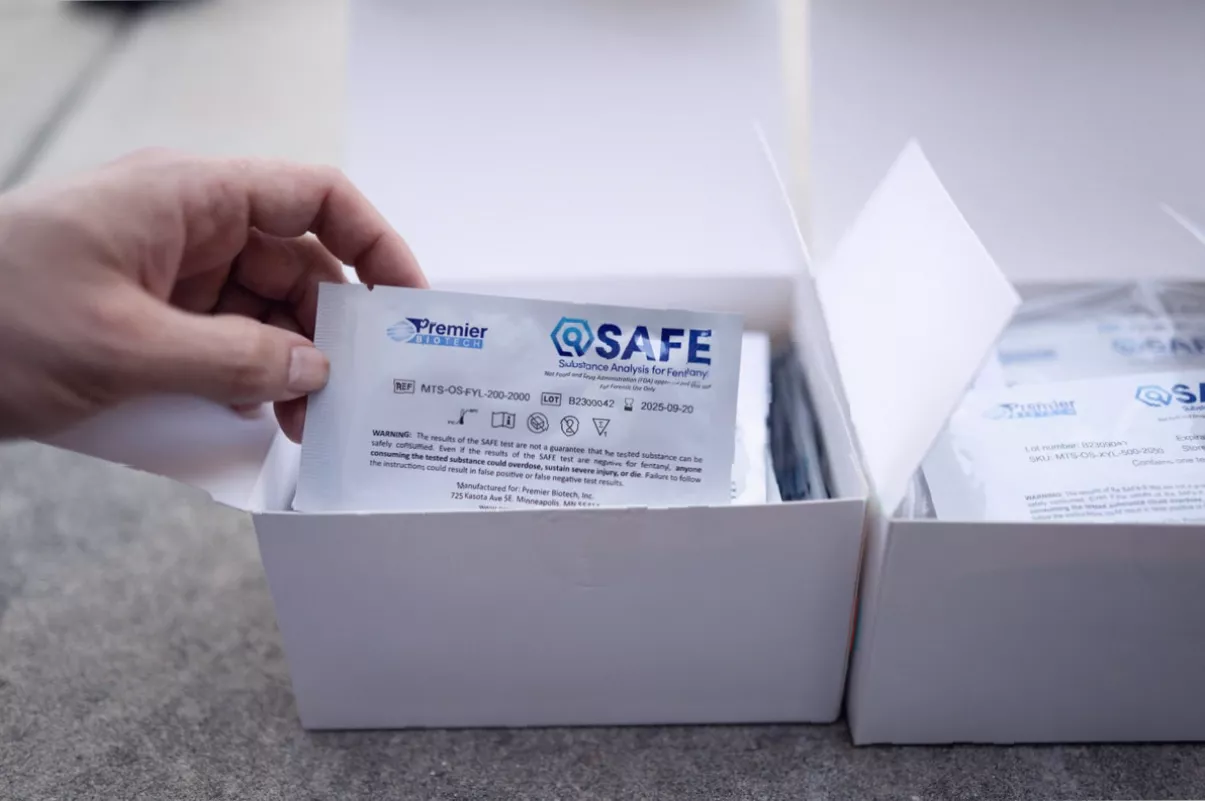
These emerging threats come at a time when federal policy is shifting away from harm reduction approaches that many experts credit with saving lives. The Trump administration has been implementing cuts to programmes designed to reduce overdose deaths and the spread of infections linked to drug use. In an April letter, the federal Substance Abuse and Mental Health Services Administration (SAMHSA) informed grant recipients that the government would no longer fund test strips and kits that help drug users detect highly lethal additives such as fentanyl and other dangerous adulterants. Officials justified the move by stating a shift away from services they believe “facilitate illicit drug use”, including clean syringe programmes and hotlines for individuals actively using drugs.
The policy has drawn fierce criticism. In January 2026, SAMHSA sent termination letters for congressionally appropriated grants totalling more than $2 billion, affecting mental health and substance use programmes across the country. While some of those terminations were later rescinded after widespread outcry, advocates remain alarmed by the instability created by sudden policy shifts. Proposed budget cuts for the 2027 fiscal year could reduce funding for SAMHSA, the CDC, the National Institutes of Health and the Department of Justice by a combined $10 billion. Critics argue that defunding test strips is a “win for the cartels” because it removes a vital tool for identifying impure or dangerously adulterated products.
Kimberly Douglas, founder of Black Moms Against Overdose, whose 17-year-old son died from an overdose, has been outspoken in defence of harm reduction. Speaking last week alongside other women who have lost children to overdoses, she argued that policies prioritising punishment and incarceration over public health are counterproductive. “We are starting to see overdoses go down in some places and that’s because of harm reduction,” she said, referring to the very services now being targeted by the administration.