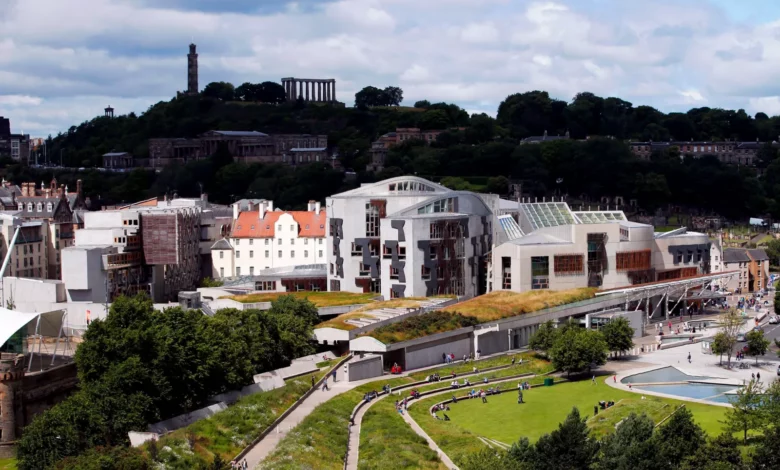
Holyrood has become “dull” and needs to be livened up, according to Kenny Gibson, the SNP MSP who has entered the race to become the Scottish Parliament’s next Presiding Officer. Speaking at a hustings event organised by Tory MSP Stephen Kerr on Wednesday – believed to be the first of its kind at Holyrood – Gibson said the chamber was “not the most exciting environment” and called for a series of changes to inject more energy into debates.
Gibson, the MSP for Cunninghame North, proposed that speaking time for members should be automatically protected whenever another MSP intervenes during a debate. At present, it is left to the Presiding Officer or their deputies to decide whether an MSP gets time back for taking an intervention. “The reason for that is to encourage more interaction, but also I believe it will build their confidence, it will make them bolder and I think they will feel more confident and happy in the work that they actually do,” Gibson said. “So what if we run on for 10 or 15 minutes, big deal.”
He also suggested greater flexibility in speaking times, allowing those with a particular interest in a topic to have more time than other members. Turning to First Minister’s Questions – the weekly session watched by the largest audience – Gibson described the proceedings as “pretty dull” and argued that backbench MSPs need more opportunities to ask constituency questions. “Sometimes what we have is the leader of the opposition in the last parliament was given 11, sometimes 12 minutes to kick off and by the time we went round the party leaders, it was really difficult for people to get in,” he said.
Rival candidates offer contrasting visions
Gibson is one of four candidates vying for the role in Thursday’s secret ballot, which will be the first item of business after MSPs are sworn in. His opponents are Liberal Democrat MSP Liam McArthur, a former deputy presiding officer, and fellow SNP MSPs Stuart McMillan and Clare Haughey.
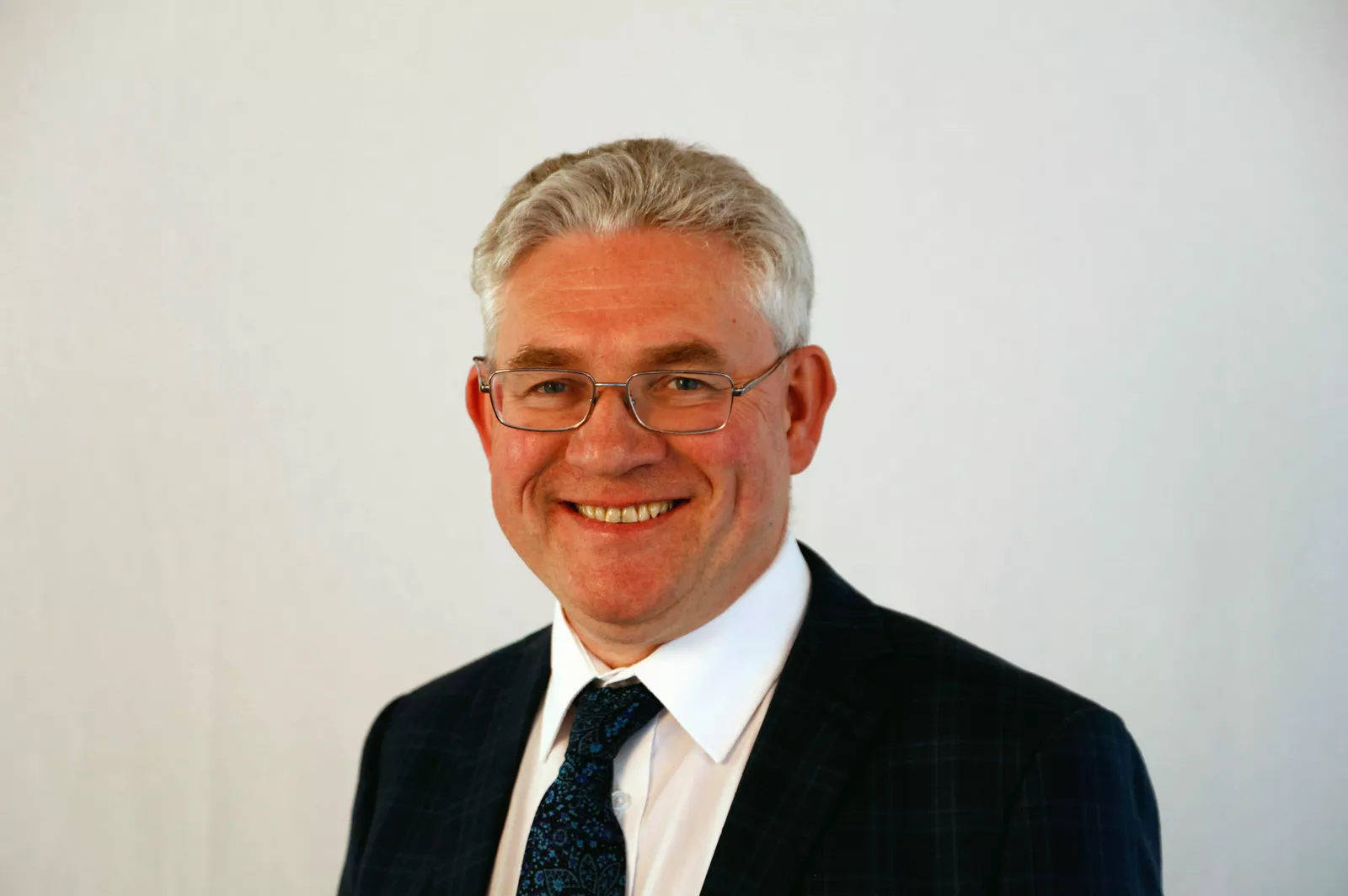
Liam McArthur, who has represented Orkney since 2007 and was re-elected in 2026, told the hustings he did not favour extending the time for FMQs. Instead, he called for more “discipline” in timekeeping and a “greater degree of spontaneity.” “A greater degree of spontaneity, I think, would help, but still I think a tightening up the time taken to ask the question and answer them is what is required,” McArthur said. “You get through far, far more business, it’s more, I think, entertaining for those that are watching online and in the gallery.”
McArthur, widely regarded as a strong candidate because of his experience as deputy presiding officer and his respected handling of the Assisted Dying Bill, acknowledged that he had himself raised “spurious points of order” in the past. He suggested the system – intended as a “safety net” – had been “abused” and argued the next Presiding Officer should be more “interventionist” with points of order. He also said some “people management” would be necessary given the make-up of the new Parliament.
Stuart McMillan, who has been an MSP for Inverclyde since 2016 and previously served the West of Scotland region from 2007 to 2016, highlighted a “lack of discipline” in recent Holyrood sessions. He stressed the need for mutual respect and tolerance among MSPs from different political persuasions. “I do genuinely think that there has to be a lot more respect of and tolerance of each other, and also of the different views and opinions that people have,” McMillan said. “We’re all from different political persuasions, we all have our views and our beliefs, but it’s also how we actually attempt to engage with each other, and I think it’s going to become more important in this session because of the number that each party actually has.”
McMillan, who previously served as convener of the Delegated Powers and Law Reform Committee and was a member of the committee examining the Scottish Government’s handling of harassment complaints, also backed stronger control over points of order and proposed strengthening committees by reducing the number of rejected amendments.
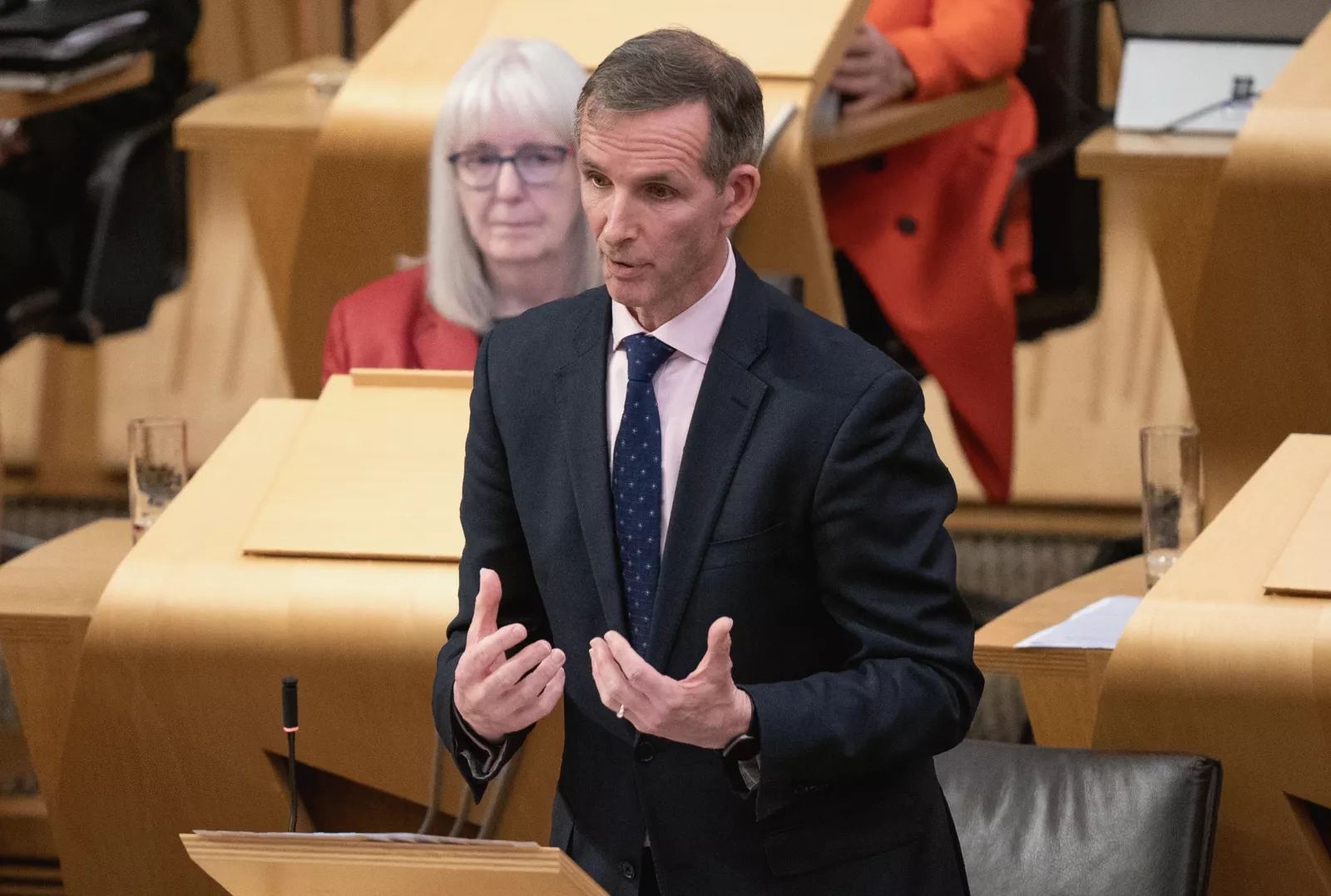
Clare Haughey, an SNP MSP who previously served as Minister for Children and Young People from 2021 to 2023 and Minister for Mental Health from 2018 to 2021, was unable to attend the hustings but remains in the running for the post.
The role and the wider context
The election for Presiding Officer is a secret ballot. The role is politically impartial: whoever wins must resign their party allegiance. The Presiding Officer chairs debates, selects questions for FMQs, and represents the parliament domestically and internationally. The salary is £136,112 per year. The postholder also has the final say on the legislative competence of Holyrood bills.
Concerns about potential political bias have surfaced, particularly after the current Presiding Officer, former Scottish Green MSP Alison Johnstone, faced accusations of bias during her tenure. Some observers have suggested the SNP may be reluctant to risk losing control of parliamentary debates, especially given that First Minister John Swinney commands only 58 MSPs.
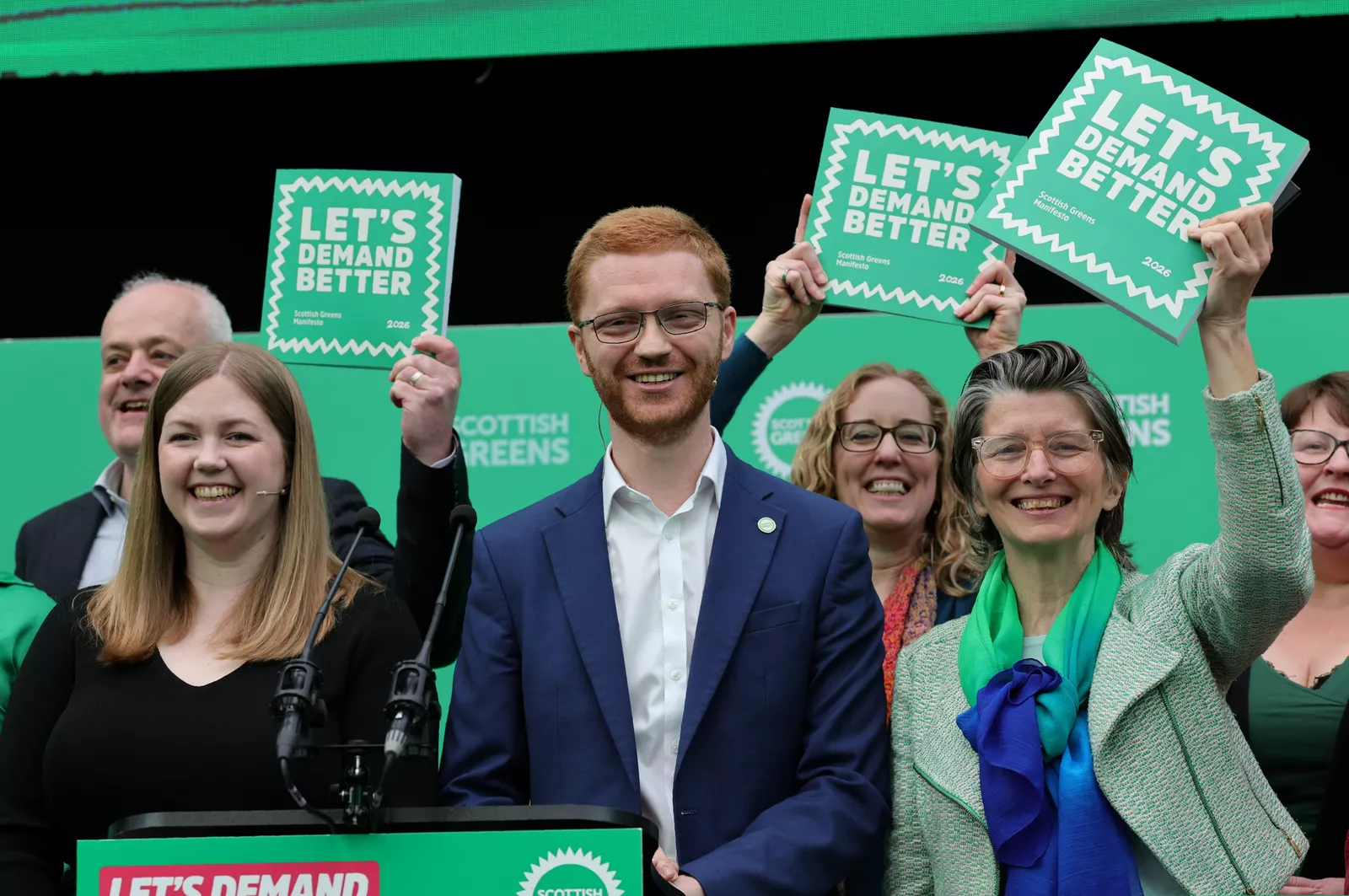
The hustings event, organised by Tory MSP Stephen Kerr, also saw Reform UK MSP Graham Simpson ask candidates about changes to FMQs. Simpson, who defected from the Scottish Conservatives to Reform UK in August 2025, has previously introduced legislation for the recall of MSPs – a bill that was rejected by the parliament. He has called for opponents to work with his party to prevent the current parliamentary session from being more divisive than the last.
Public trust in the Scottish Government has declined markedly. A recent survey found that only 47% of respondents trust the SNP administration to act in the country’s best interests, down from 81% at the onset of devolution in 1999. Satisfaction with the NHS in Scotland has fallen to 22%. Trust in Holyrood itself, however, has historically been higher than trust in Westminster.
Reforms to FMQs have been proposed before, including suggestions that party leaders should cease using scripted diary questions and that the Presiding Officer should have more power to rule out questions that do not genuinely scrutinise the minister. The Scottish Parliament’s debating chamber, designed in an elliptical shape to promote conversation, seats all 129 MSPs. The Presiding Officer sits at the front, with the mace – a symbol of parliamentary authority – located below.