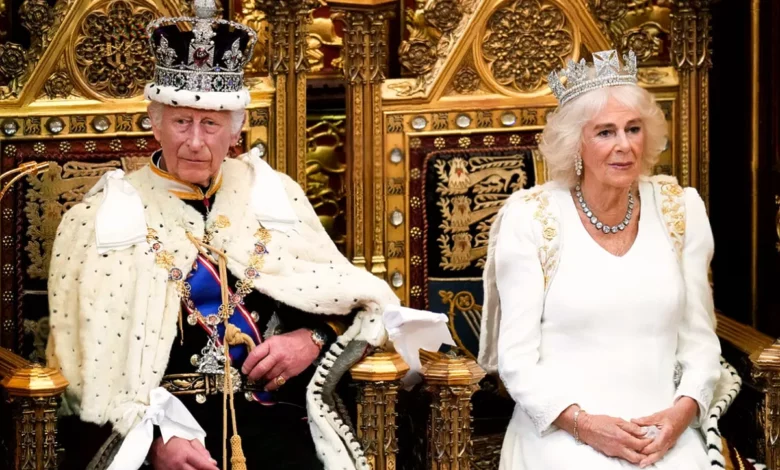
The King’s Speech delivered on Wednesday will be read by King Charles III from the throne in the House of Lords, but not a single word will be his own. The address, which formally opens the new parliamentary session, is written entirely by the government of the day – a constitutional convention that transforms a centuries-old royal spectacle into the Prime Minister’s statement of legislative intent.
Centuries-old ceremony rooted in political necessity
The tradition of a monarch addressing Parliament at the start of a session traces its origins to the 16th century, though the format seen today dates from 1852, when the newly rebuilt Palace of Westminster provided the setting. During the Tudor era, the speech was delivered by the Lord Chancellor or Lord Keeper, not the sovereign. It was only after James VI of Scotland became James I of England in 1603 that the monarch began speaking directly. From 1660, a royal address became a fixture at the beginning of every session, evolving over time into the modern practice where the text is drafted by ministers to reflect the government’s legislative agenda.
The upcoming State Opening follows a period of prorogation, the formal mechanism that ends a parliamentary session. Parliament was prorogued on 29 April, clearing the way for Wednesday’s ceremony. During prorogation, nearly all outstanding business and bills are terminated, though public bills can be carried over if agreed. Prorogation is a decision taken by the government. The last State Opening took place on 17 July 2024, shortly after Labour’s landslide general election victory. Before that, King Charles delivered his first King’s Speech as monarch on 7 November 2023.
Pomp, tradition and the symbolism of independence
The ceremony itself is steeped in ritual, much of it designed to underscore the relationship between Crown and Parliament. The King will travel from Buckingham Palace to Westminster, escorted by the Household Cavalry. Before his arrival, the Yeomen of the Guard carry out a ceremonial search of the Palace of Westminster’s cellars – a tradition that nods to Guy Fawkes’s 1605 Gunpowder Plot. A Member of Parliament, usually the Vice-Chamberlain of the Household, is ceremonially ‘held hostage’ at Buckingham Palace to guarantee the monarch’s safe return.
The King enters through the Sovereign’s Entrance and proceeds to the robing room before leading the royal procession through the Royal Gallery to the House of Lords. He will wear his crown and the robe of state, watched by an audience of 600. The speech is traditionally written on goatskin vellum and presented to the monarch by the Lord Chancellor.
One of the most symbolic moments occurs when a senior House of Lords official known as Black Rod is sent to summon Members of Parliament from the House of Commons. As is tradition, the doors to the Commons chamber are shut in Black Rod’s face – a practice dating from the Civil War that symbolises the lower house’s independence from the monarchy. Black Rod strikes the door three times before it is opened, and MPs then follow the official back to the Lords chamber to hear the speech. The current Black Rod is Sarah Clarke, appointed in 2018 and the first woman to hold the role in 650 years.
Government’s agenda delivered by the Crown
King Charles will deliver a speech lasting around ten minutes from the throne in the Lords chamber. Despite being called the King’s Speech – or, formally, the Gracious Speech or Speech from the Throne – the content is drafted by the Prime Minister and cabinet. The Cabinet Office coordinates input from government departments to compile the final text. The monarch’s role is to read it in a neutral tone, signifying that the government acts on behalf of the Crown. The speech outlines the government’s policies and proposed legislation for the parliamentary session ahead, which typically lasts about a year. It may include legislation carried over from the previous session, bills announced in the 2024 speech that remain on the agenda, and entirely new planned laws. Potential topics for this year’s speech include reforms to the asylum system and the introduction of digital ID.
The speech also provides early indications for businesses, as previous addresses have signalled regulatory changes, energy policy, tax proposals and investment plans. The 2024 speech, for example, included potential legislation on artificial intelligence regulation and reforms to the water industry.
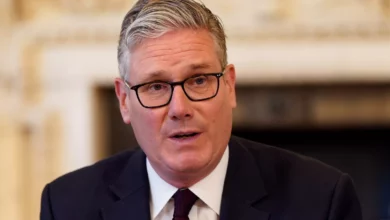
The occasion comes as Sir Keir Starmer faces the biggest challenge of his premiership, with dozens of his own MPs calling for him to step down after dismal local election results. The King’s Speech will serve as the government’s formal attempt to set the legislative agenda amid internal party pressure.
After the monarch departs, the new parliamentary session officially begins and MPs return to their business in the Commons. Both the House of Commons and the House of Lords then debate the content of the speech for several days, scrutinising the proposed legislation. The debate takes the form of a “humble Address” to the King, thanking him for the speech. Lords do not usually vote on the address, but MPs in the Commons do. It is extremely rare for a government to be defeated on this vote; the last to lose was Stanley Baldwin’s government in 1924.