Andy Burnham pledges Sadiq Khan expanded say on housing and schooling to preserve London’s premier status

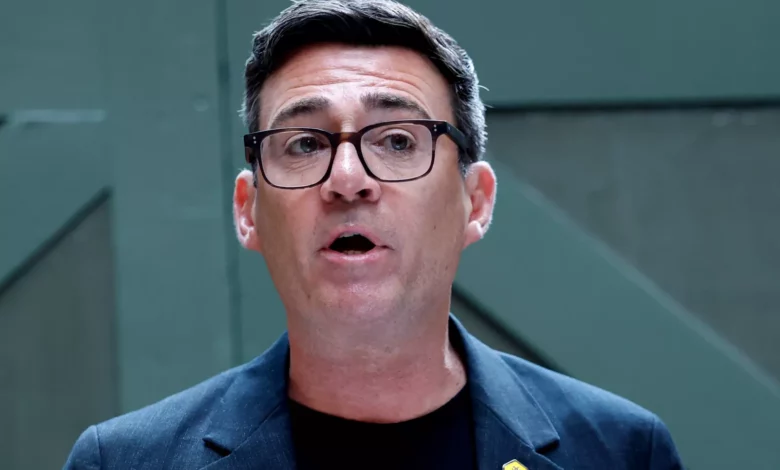
Andy Burnham has promised to devolve new powers over housing and education to Sir Sadiq Khan, declaring that London must remain “the world’s greatest capital” under a Labour government he would lead. Speaking in Manchester, the Prime Minister-in-waiting insisted that giving more authority to City Hall would help ease the capital’s “overheated economy and overcrowded housing market” – problems he blamed on the failure of other regions to reach their potential.
More powers for London’s mayor
In a keynote address at The People’s Museum, Burnham directly addressed fears that his vision for England’s regions would come at London’s expense. “Yes, more powers for London too, over education and housing, so that London can do more for itself and remain the world’s greatest capital,” he said. The pledge marks a significant extension of the mayor’s existing responsibilities, which already cover transport, policing, and strategic planning. Burnham argued that the whole country suffers when the nations and regions are “not meeting their potential”, leaving Londoners with the consequences of an unbalanced economy.
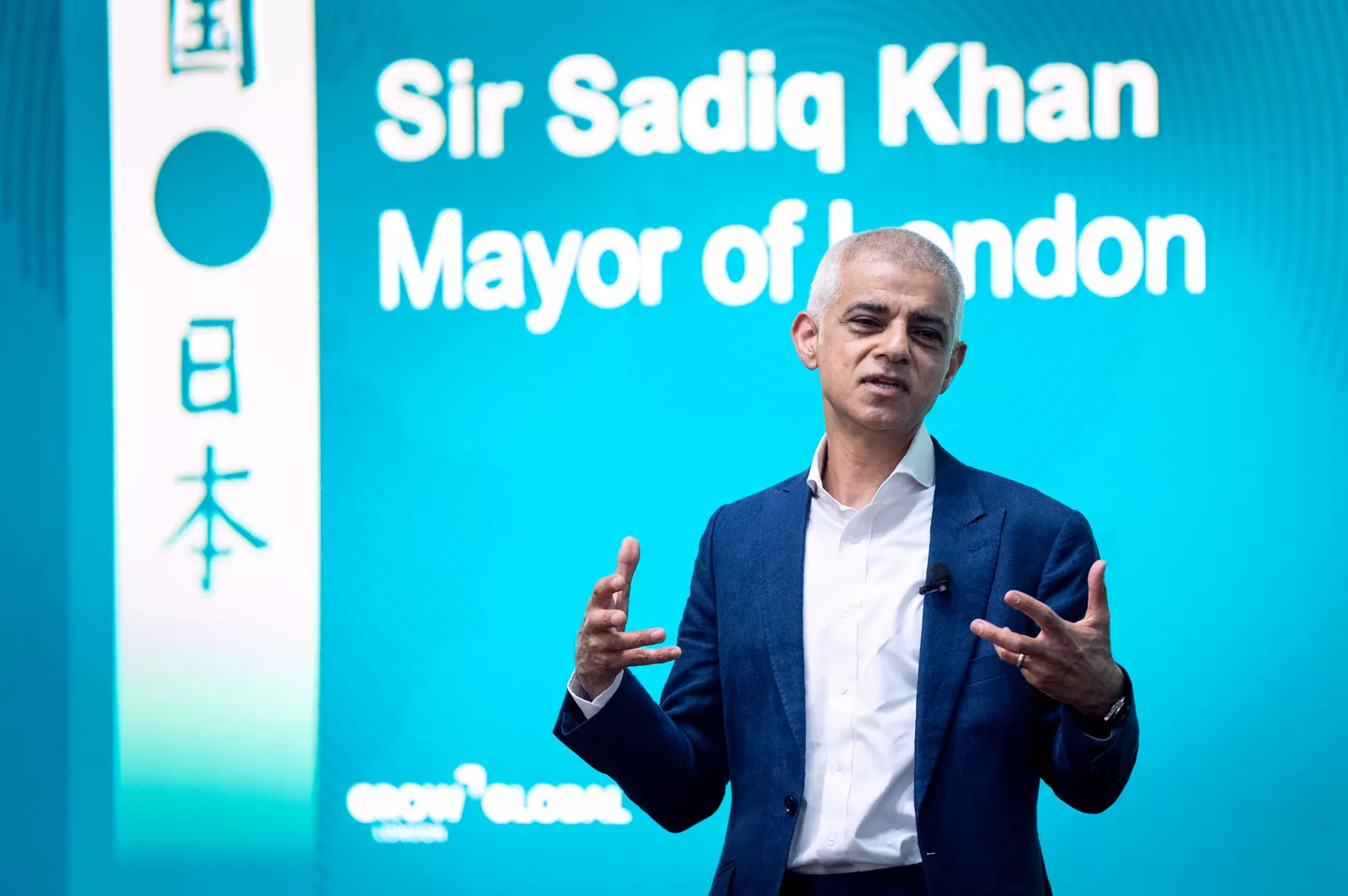
City Hall gave a cautious welcome. A spokesperson for Sir Sadiq said: “Sadiq supports Andy’s commitment to more devolution in London and around the country. It will be essential for increasing growth and productivity, and creating the good jobs all our communities need.” However, the mayor has previously warned against cutting investment in the capital, and the spokesperson did not address whether Burnham’s plans would shift Whitehall funding away from London.
The Conservative shadow minister for London, Gareth Bacon, struck a sceptical note. “Andy Burnham is talking up what he believes to be the benefits of devolution, but Londoners will rightly ask: do we really want to give Sadiq Khan even more powers?” Bacon, the MP for Orpington, has repeatedly criticised Khan’s record on affordable housing delivery, transport finances, crime rates, and the expansion of the Ultra Low Emission Zone, accusing the mayor of prioritising “show over substance”.
Rebalancing the nation
Burnham’s speech was built around a central promise: “the biggest devolution of power in modern times”. He painted a picture of a country held back by over-centralisation, declaring that “Westminster has not been working for people and it has not been working for a very long time. In fact, it is broken.” The former mayor of Greater Manchester, now MP for Makerfield, argued that growth “cannot be ordered from the top down” but must be “nurtured from the bottom up”.
His flagship proposal is a “No10 North” in Manchester, which he described as the “nerve centre of a rewired brain”. Its job, he explained, would be to “make power flow into the Midlands, into the South West, into the East of England, and yes, into London, as much as into the North East, Yorkshire, and the Humber, and here in the North West.” The plan draws heavily on his political philosophy of “Manchesterism” – a blend of business-friendly socialism and a break from the neoliberal orthodoxy he associates with 1980s privatisation and Treasury control. Under his leadership as Greater Manchester mayor, this approach delivered public control of buses through the Bee Network and a Good Growth Fund that channels proceeds back into communities.
Burnham promised “the biggest council homes building programme since the post-war period” and a “10-year mission” to raise living standards by spreading Manchesterism across the country. He argued that the welfare bill could be cut by placing employment support in the hands of regional mayors. The scale of the shift is enormous: tens of thousands of government jobs are expected to leave London, and billions of pounds in additional public funding would be directed to England’s regions. Burnham also confirmed he is considering splitting the Treasury to create an economic department based in Darlington, while leaving a finance ministry in Whitehall. The Darlington Economic Campus has already been a flagship location under the previous government’s “Places for Growth” programme, which aimed to relocate 22,000 civil service roles out of London by 2027; around 16,000 had been moved by late 2023.
Launching a blistering attack on “Whitehall turf wars”, Burnham said the central government machinery worked less well now than when he was a cabinet minister under Gordon Brown in 2010. “The days of Whitehall fighting the devolution of power into the regions and nations are over for good,” he vowed.
Funding questions remain
Despite the bold rhetoric, Burnham’s speech was notably light on how his plans would be paid for. He offered “the stability that comes from sound public finances” and promised to adhere to “the discipline of our current fiscal rules”, but declined to detail the revenue sources or spending allocations behind his pledges. Critics point out that moving tens of thousands of civil service jobs out of London and funnelling billions more to the regions will require significant upfront investment, while the capital itself may face a reduction in Whitehall spending. Sir Sadiq has already voiced concern about the risk of cutting investment in London.
Burnham also sidestepped questions about his future cabinet, refusing to hint whether he would appoint the Net Zero Secretary, Ed Miliband, as Chancellor. Miliband is widely seen as a key ally who could challenge Treasury orthodoxy, though some unions – notably GMB and Unite – have expressed unease over his stance on North Sea oil and net-zero targets, fearing job losses. Other potential candidates for the Treasury include Wes Streeting and Shabana Mahmood.
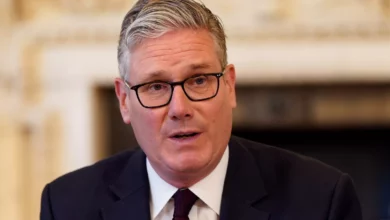
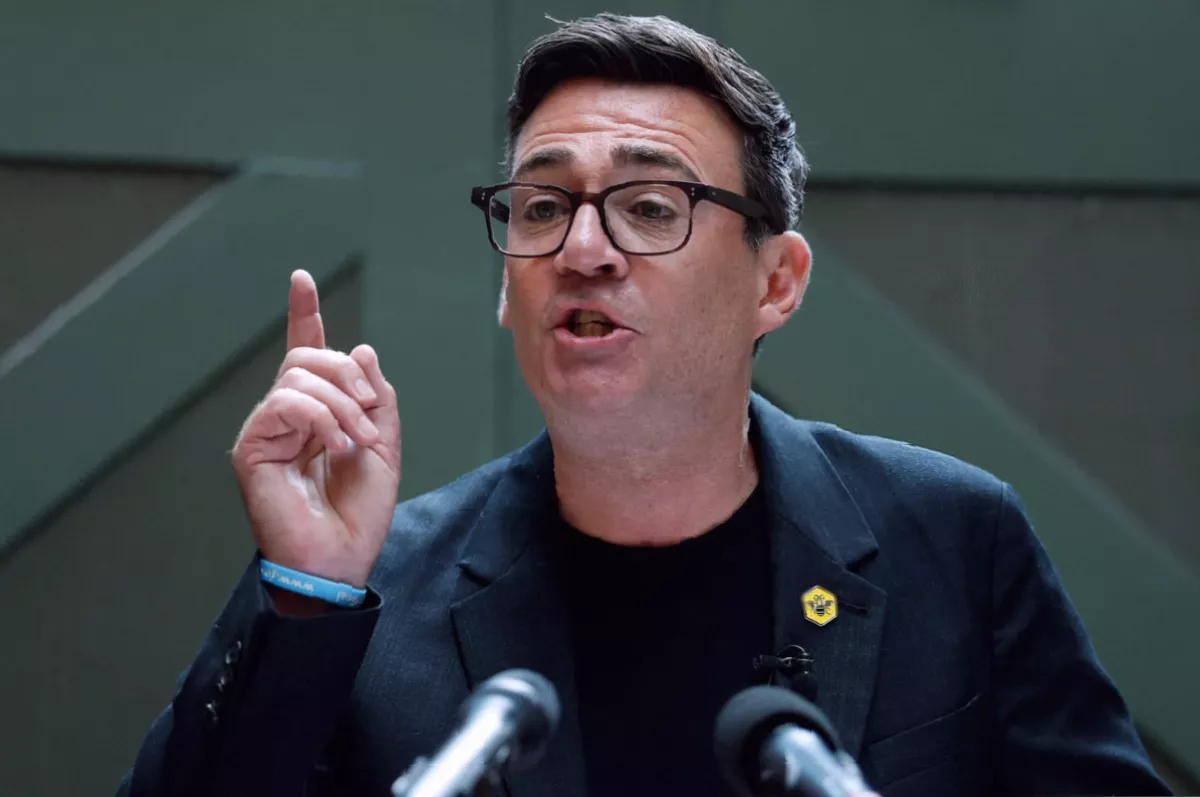
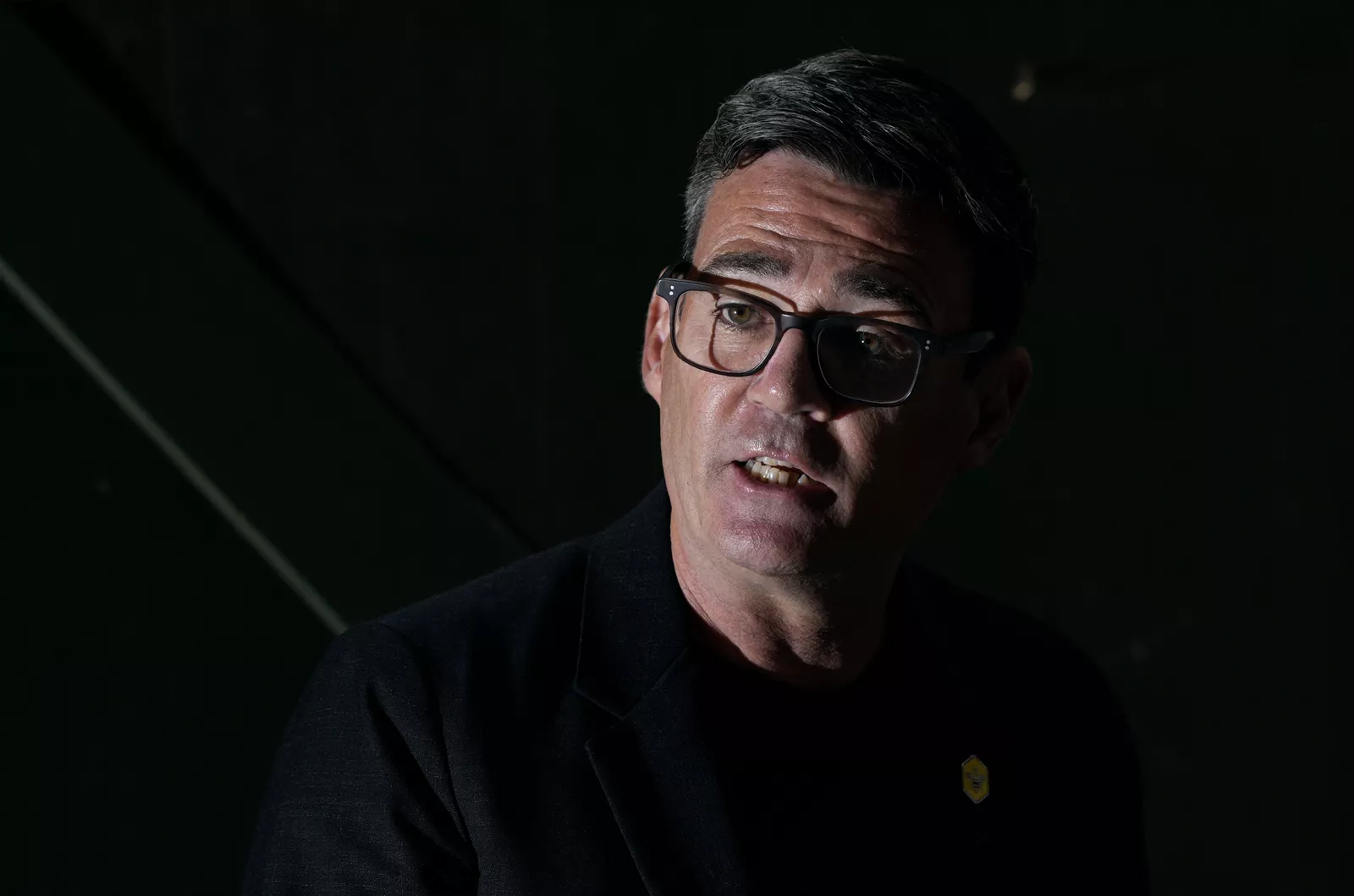
Dressed in his trademark dark T-shirt and jacket, Burnham struck a markedly different tone from the leadership of Sir Keir Starmer, who was forced to resign as Prime Minister by a huge Labour revolt. The contrast was deliberate. Burnham’s message was clear: after years of stagnation since the 2008/09 financial crash, when millions saw their living standards fall or flatline, he would offer voters “good growth in every postcode, hope in every heart”. Whether that hope will be backed by hard cash remains to be seen.