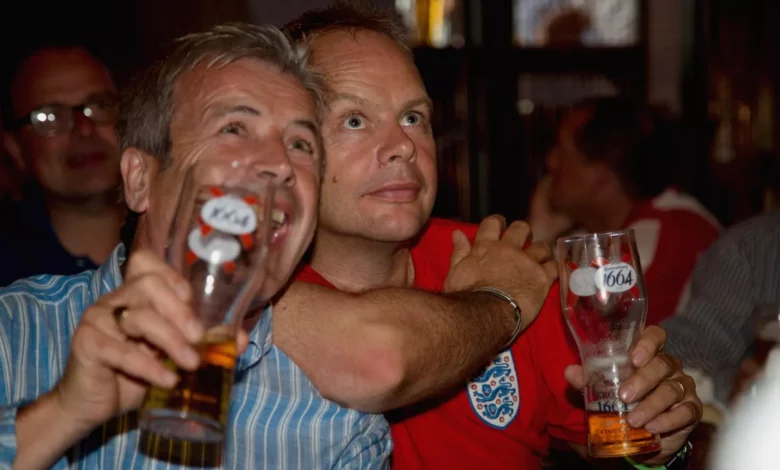
Pint prices have risen nearly a quarter since the last World Cup, hammering the pockets of football fans heading to the pub for the tournament. According to the Office for National Statistics, the average price of a draught pint in 2022 stood at £4.03. The British Beer and Pub Association (BBPA) now puts the average at £5.01 – a jump of 24.3 per cent. Separate industry data suggests the figure has climbed even higher, to £5.34 by May 2026, representing a 3.3 per cent rise on the previous year and a 36 per cent increase since the 2022 competition – far outpacing general inflation of around 16 per cent over the same period.
The cost varies dramatically depending on where you drink. Oxford is the most expensive city for a beer at an average of £6.75, while in London some high-end bars are charging £11 for a pint of Moretti or Heineken and £10 for Guinness, particularly in Mayfair. By contrast, the global average across 164 major cities in 2026 was £2.85, underscoring how much British drinkers are paying above the norm.
How much of a pint goes to tax?
Pubs and brewers argue that the headline price masks a crushing tax burden that leaves them with wafer-thin margins. The BBPA calculates that from a £5.01 pint, the pub sees only 12p in profit. Of the remainder, £1.60 goes to the government through business rates, beer duty and other taxes, while £3.29 covers the cost of ingredients, wages, energy, rent and wholesale beer. James Nye, managing director of Anglian Country Inns, which runs 10 pubs in Hertfordshire and Norfolk, told The Independent last year: “When customers see us putting prices up, they think we’re benefiting from it, but actually the government is taking so much tax out of that pint, it’s not getting to the bottom line. The bottom line is diminishing even though the top line is increasing – I think that’s the scary thing. The biggest proportion of all of that is tax.”
England fans will pay 54p in beer duty on every pint, the highest rate among the nation’s group-stage rivals. Ghana levies 44p per pint, while Panama and Croatia charge just 13.8p and 12.6p respectively, according to the BBPA. The UK also has one of the highest rates of VAT on hospitality in Europe at 20 per cent, compared with about 10 per cent in France, Spain and Italy. Although VAT was temporarily cut during the pandemic, its return to 20 per cent has been described by the industry as a significant additional burden. Beyond alcohol duty and VAT, pubs face business rates, employer national insurance contributions, the apprenticeship levy, extended producer responsibility charges, energy and environmental taxes, and a sugar tax. These combined liabilities mean pubs and breweries are among the most heavily taxed business sectors in the UK.
The BBPA’s breakdown also highlights that the wholesale cost of beer has risen. Diageo announced a 5.2 per cent draught price increase for Guinness from April 2026. Energy bills have more than doubled for some venues in the past two years, and pubs are especially exposed because they are not protected by a domestic price cap while running kitchens, refrigeration and cellar cooling systems. Labour costs have also increased because of rises in employer national insurance contributions and the minimum wage. Some commentators have attributed price hikes to “shareholder supremacy”, arguing that large pub companies prioritise profits over customers, but the industry’s representative bodies insist that most of the increase is driven by compulsory costs imposed by the state.
Pub closures and calls for government action
The financial pressure is taking a heavy toll. The Campaign for Real Ale (CAMRA) reports that 593 pub businesses have closed across the UK so far this year. Separate figures from the BBPA show 161 pubs shut in the first quarter of 2026 – a 26 per cent increase on the same period last year, equating to roughly two closures a day. Overall, the number of pubs has fallen by more than 4,000 since 2019. Landlords describe the current conditions as the toughest they have ever known, leaving them no choice but to raise prices or close their doors.
CAMRA’s chair, Ash Corbett-Collins, said: “Running a pub business in the current financial climate is extremely difficult. Pint prices are rising at the same time consumers are tightening their pockets through the cost-of-living crisis. But brewers and publicans are not to blame. Between alcohol duties rising, grossly unfair business rates and increased employer national insurance contributions on top of sky-high energy bills, financial pressures have left pubs no choice but to increase pint prices or close their doors for good. We risk losing these vital community social hubs forever unless alcohol duty, employer national insurance contributions, and VAT are cut, alongside a different business rate system.”
The BBPA is also urging tax relief. Its chief executive, Emma McClarkin, said the government “can further support our pubs and brewers by cutting beer duty to the European average so we can keep a pint affordable for all”. She pointed out that a strong World Cup performance could bring in £275 million in additional revenue for pubs if England reaches the final – an estimated 55 million extra pints, or an average of 1,240 pints per pub (14 extra kegs). Bookings for England’s first match were up 184 per cent year-on-year compared with a typical trading day, and summer tournaments with evening kick-offs are seen as far more favourable than the 2022 winter World Cup, when midday matches meant fans largely watched at home.
Consumer behaviour is shifting, however. While higher-income households (earning £75,000 or more) continue to spend on going out, according to chain Fuller’s, younger people are spending less time in pubs, with some opting for gyms instead. The cost-of-living crisis is also squeezing many households, making a trip to the pub a luxury for some.
Extended hours and government support
To help pubs capitalise on the tournament, the government has extended licensing hours. Pubs will be allowed to stay open until 2am for any knockout-stage matches involving the home nations. Sir Keir Starmer said on Monday that red tape “should not get in the way of fans enjoying the game with friends and local pubs doing a great trade too”. He added: “A pavement pint in the sunshine discussing the agony of penalties and soaking up the atmosphere is what pubs are all about and we are backing them. Let’s hope we get a summer of fans enjoying great England wins on the big screen in packed pub gardens.” The government is encouraging local councils to facilitate pavement pints and outdoor serving to capitalise on the tournament atmosphere.
A government spokesperson said: “We are backing Britain’s pubs – cutting this year’s business rates bills by 15 per cent followed by a two year freeze, extending World Cup opening hours and increasing the Hospitality Support Fund to £10m to help venues grow while later this year, we’ll build on our Pride in Place programme with our a new High Streets Strategy to revitalise our town centres later this year. This comes on top of capping corporation tax, cutting alcohol duty on draught pints and six cuts in interest rates, benefiting businesses in every part of Britain.” The government has also announced a review of the business rates valuation methodology and is consulting on loosening planning rules to benefit pubs. Despite these measures, industry bodies argue they do not go far enough to offset the cumulative pressures on the sector.
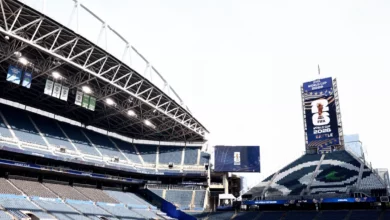
The tournament begins on Thursday as co-hosts Mexico take on South Africa, with Scotland and England starting their campaigns on Sunday and next Wednesday respectively. For fans watching in the US, Canada and Mexico, the cost of a pint at the stadium is even steeper – reports from the ground suggest prices of $18 (£13.44) for a single beer.