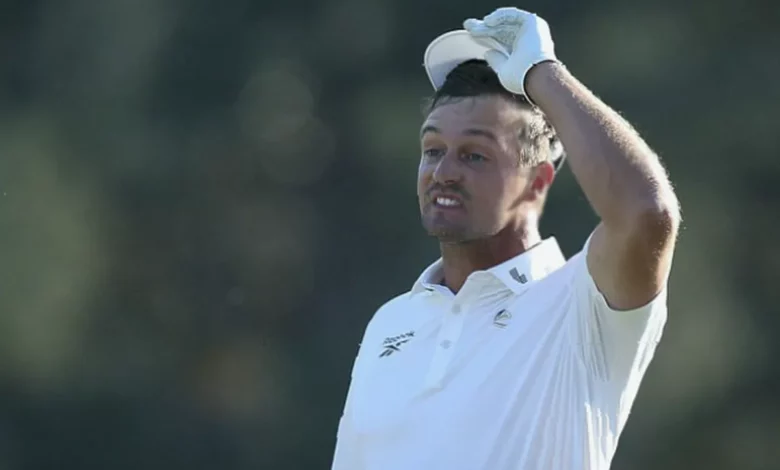
Senior executives of the LIV Golf league were summoned to an emergency meeting in New York on Wednesday, as swirling rumours suggested the Saudi-backed circuit’s future is in serious jeopardy.
The sudden gathering, reported by The Telegraph, saw officials fly to Manhattan on the eve of LIV’s $30million tournament in Mexico City, leaving not a single executive on site at the Club de Golf Chapultepec. The precise reason for the crunch summit was not disclosed, but it followed a wave of speculation about the league’s imminent collapse.
Rumours of an Imminent Shutdown
Those rumours escalated sharply after a report from Ryan French, who runs the influential Monday Q Info golf account on X. Citing multiple sources, French claimed a “bombshell announcement on LIV’s future is imminent.” He later elaborated in an audio discussion on X Spaces, stating he had heard from trusted individuals that LIV Golf was “shutting down.” French has even suggested the tour could cease to exist before its Mexico City event begins, or that this week’s tournament could be its last.

Amid the speculation, the league’s pre-tournament press conferences in Mexico were abruptly cancelled on Tuesday, with LIV citing “technical difficulties.” They were rescheduled for Wednesday, even as the league’s official social media account continued to promote the upcoming tournament.
Billions in Losses and Mounting Financial Strain
The speculation comes against a backdrop of severe and sustained financial losses. LIV Golf is funded by Saudi Arabia’s sovereign wealth fund, the Public Investment Fund (PIF), which has reportedly invested over $5.3 billion, with projections that figure will surpass $6 billion by the end of 2026. Despite this vast investment, the league has struggled to generate meaningful commercial, broadcast, or event-based revenue.
Its UK-based firm, LIV Golf Ltd., which runs non-U.S. operations, reported net losses of $461.8 million in 2024. Reports have emerged of deeper operational strife, including players and employees allegedly not being paid, and electricity being cut off at one facility due to an unpaid bill. Analyst Brandel Chamblee has been a vocal critic, stating the venture “loses billions along the way” and noting that “more people watch pickleball than that on TV” during its events.
Ive heard from multiple sources that a bombshell announcement on LIVs future is imminent.
We don't give out gambling advice but If your’re a prediction market type person I would bet the under of whatever they have posted.
— Monday Q Info (@acaseofthegolf1) April 15, 2026
Player Exodus and Competitive Struggles
LIV’s stability has been further undermined by the departure of key marquee players. Five-time major champion Brooks Koepka left the league after the 2025 season, taking advantage of the PGA Tour’s ‘Returning Members Program’, which required a $5 million charity donation and a forfeiture of tour equity benefits for reinstatement. Former Masters champion Patrick Reed also departed in January, though he was not eligible for an immediate PGA Tour return and has been competing on the DP World Tour with an eye on a 2027 return.
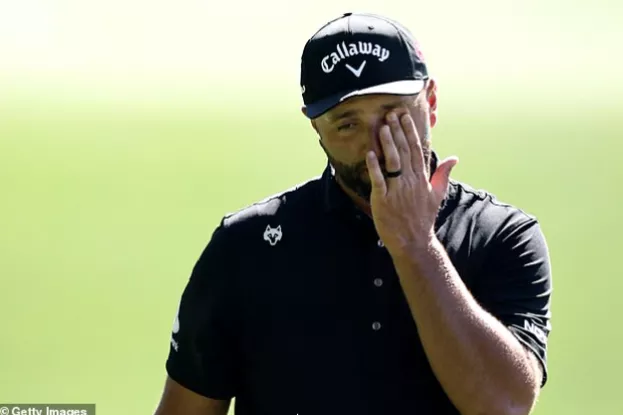
The league’s competitive credibility also took a hit at the recent Masters Tournament. Star signings like Bryson DeChambeau failed to make the cut, while 2023 champion Jon Rahm could only manage a tie for 38th place. Chamblee pointed to such performances as evidence that the LIV product, which initially featured 54-hole events and a team concept, was “ill-conceived” and failed to properly challenge players, impacting their form in majors.
Format Shifts and Partial Recognition
In a bid for legitimacy, LIV underwent significant changes for the 2026 season, ditching its signature 54-hole format—the “LIV” namesake—for a traditional 72-hole structure. This was widely seen as an attempt to finally gain recognition from the Official World Golf Ranking (OWGR) body, a lack of which has caused its players’ world rankings to plummet.

While the OWGR did grant LIV points in February after years of campaigning, the ruling was a partial victory. The body stipulated that only the top-10 finishers at LIV events would earn ranking points, a restriction LIV called unprecedented for any tour in OWGR history. The league argued it still had not met all eligibility criteria, even after switching to 72 holes.
As the executives met in New York, players in Mexico City prepared for a tournament at a high-altitude course known for long drives, the immediate future of the league they compete for hanging in the balance.