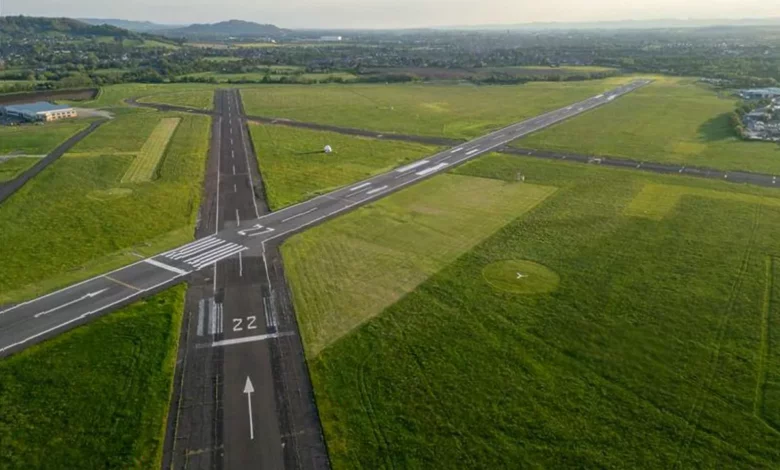
Gloucestershire Airport is costing taxpayers £2.7 million a year – and the financial burden is growing. The jointly-owned Staverton site, which has been losing money at an accelerating rate, is once again at the centre of discussions between Gloucester City Council and Cheltenham Borough Council, with a fresh sale among the options under active consideration.
The annual operating loss has nearly doubled since the councils first put the airport on the market, climbing from £1.4 million to the current £2.7 million. In the year ending March 2025, turnover stood at £5.1 million but losses ballooned to the same figure – £5.1 million – up from £1.5 million the previous year. The airport also owes its owners a combined £20.9 million, all of it due within one year, while interest on the loans is accumulating at £800,000 every year.
Sale collapse explained
The planned disposal of the 375‑acre airport collapsed in March 2026 after months of negotiation. Horizon Aero Group – an Anglo‑Indian joint venture between UK‑based Vayu Aviation Services and Indian firm Vensa Infrastructure – had been named preferred bidder in July 2025, with offers exceeding the £25 million asking price. The deal was reported to be in the final stages of legal completion in January 2026 before unravelling when a financial partner withdrew, leaving Horizon unable to secure the necessary financing.
According to reports, the revised terms put forward by Horizon Aero Group moved significantly away from the original bid proposal, contributing to the breakdown. The councils expressed disappointment, stressing their duty to deliver best value for taxpayers and acknowledging the anxiety the collapse would cause for airport employees and tenants. Concerns have since been raised about the costs incurred during the failed sale process, including legal, consultancy and agent fees estimated at around £150,000, and questions have been asked about why it took so long to discover the buyer’s funding problems.
Cheltenham Borough Council leader Rowena Hay regards the airport as one of the most pressing challenges facing her authority and has made clear that relaunching the sale is her preferred course of action. “I’m still very firmly of the view that we need to sell,” she told the Local Democracy Reporting Service, confirming that active work is continuing and that “we are going to continue with selling it”.
Gloucester City Council leader Jeremy Hilton stopped short of ruling out a future sale but said no firm decision had been reached between the two shareholders. “We are discussing options at the moment,” he said. “We will get round to that but we haven’t actually firmed any decision yet between the two shareholders.” He confirmed the councils are looking at various business strategies to reduce the operating deficit and noted the recent appointment of a new interim managing director as a positive step.
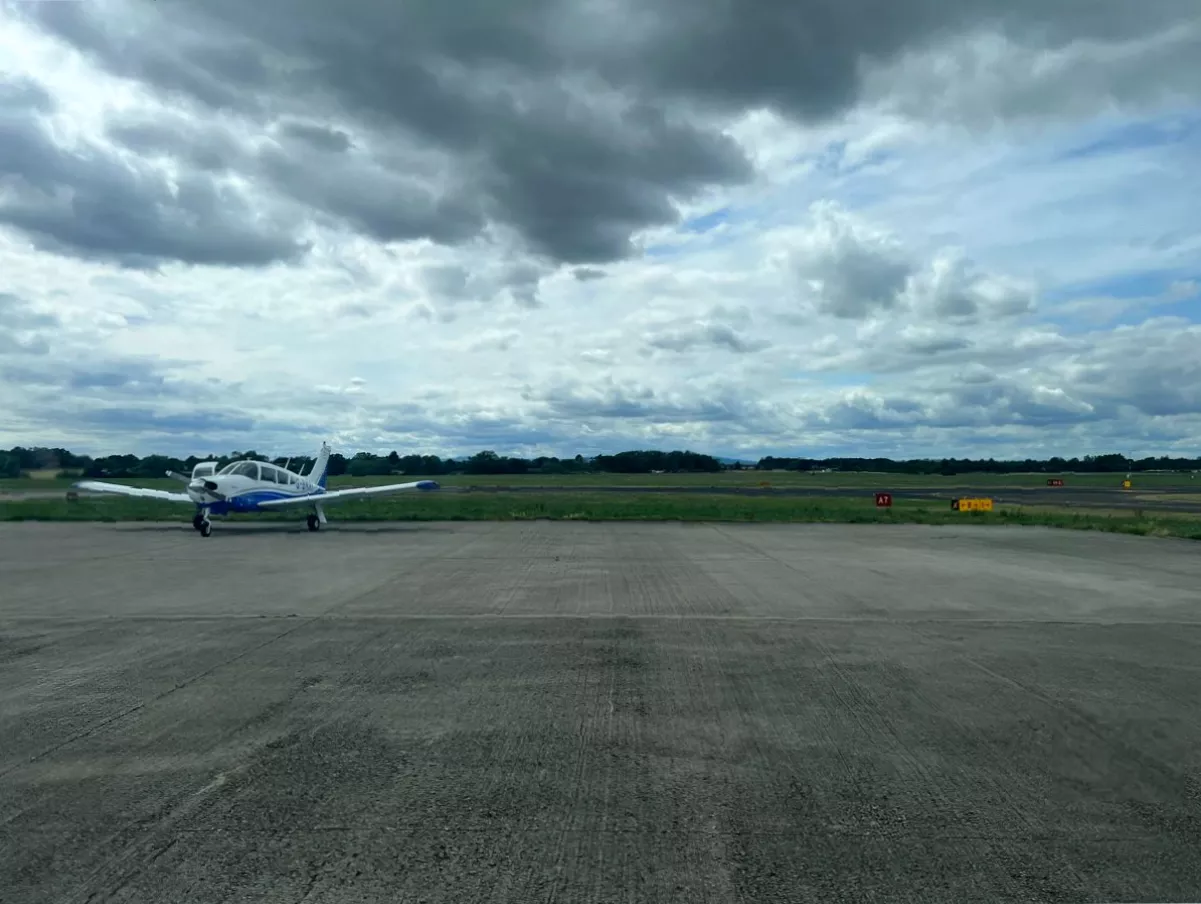
The councils have said they remain committed to keeping operators and tenants updated while they consider the next steps. Options under discussion include cutting running costs and exploring commercial improvements to stem the losses.
Airport’s history and significance
Originally known as Staverton Airport when it opened in 1936, the site replaced its forerunner at Down Hatherley Airfield, which had been in use since 1931. During the Second World War it served as RAF Staverton, a pilot training base, and was used extensively by the US Army. The aviator Alan Cobham also conducted early in‑flight refuelling development there. After the war, Smiths Group used the airport as a test site, and scheduled services operated to the Channel Islands, Dublin and the Isle of Man.
The two councils established Gloucestershire Airport Limited in 1993 to oversee operations, and the facility was renamed to reflect its growing role as a business aviation centre. It has since become the UK’s busiest general aviation airport, topping the Civil Aviation Authority’s rankings for aircraft movements in 2023. The airport has three asphalt runways and a grass runway, and in 2013 handled 73,857 movements and 14,168 passengers. It is easily accessible from the M5 motorway and serves a catchment area of 1.5 million people and 35,000 businesses.
The site is home to its own fire station and two business parks covering a combined 700,000 square feet, including the recently completed CGX Connect. Planning consent exists for an additional 30,000 square metres of business space. In 2021, a multi‑million‑pound investment – funded by the Gloucestershire Local Enterprise Partnership, Gloucester City Council and Cheltenham Borough Council – allowed the closure of the north‑south runway, freeing up more than 300,000 square feet of land for development.
Several prominent aviation firms are headquartered at the airport. Safran Landing Systems, a global leader in aircraft landing and braking systems, has invested £10 million in its Staverton site, which is one of the largest Safran sites worldwide and employs 1,200 people. Babcock Mission Critical Services Onshore operates its headquarters and training facilities at the airport, having acquired a 20,000‑square‑foot hangar in 2016 for maintenance, repair, overhaul and installations. Weston Aviation opened its fourth Business Aviation Centre at Gloucestershire Airport in January 2019. The airport also encourages green technologies, offering a 50 per cent discount on landing fees for electric aircraft operators, and since January 2025 has added a Mandate Compliance Fee to JET A1 fuel invoices to comply with the UK government’s Sustainable Aviation Fuel mandate.