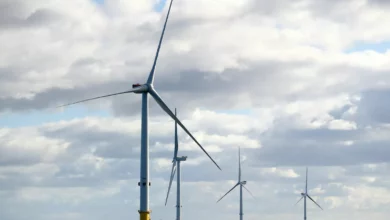
For young people in Britain’s most deprived coastal towns, the promised green jobs revolution is proving frustratingly out of reach, with a stark gap emerging between political promises and the reality of securing apprenticeships in the burgeoning renewable energy sector.
A qualified candidate left waiting
Jake Snell, a 19-year-old from Lowestoft in Suffolk, embodies both the promise and the problem. With top grades in maths and physics A-levels, a distinction in BTec engineering, and relevant work experience, he seemed the ideal candidate for a green energy role. His hometown, like neighbouring Great Yarmouth, falls within the most deprived 20% of areas in England, part of a wider pattern of coastal communities with scant employment opportunities.
For years, Snell was told a clear path existed: excel in Stem subjects, then seize the apprenticeship opportunities linked to the offshore wind farms visible from the shoreline. The east of England hosts 44% of the UK’s offshore wind capacity. In Lowestoft, the towering Ness Point turbine, nicknamed “Gulliver”, acts as a constant reminder of this industrial shift, while Great Yarmouth’s port is being upgraded as a pre-assembly site for the £4 billion East Anglia TWO offshore windfarm.
Yet, after completing his studies, the reality hit. Out of his 14-person college cohort, only two secured apprenticeships, with just one in engineering. “It was quite frustrating,” Snell says. Many of his friends, having been promoted the same apprenticeship route, are now going to university “out of necessity” because they feel no other option exists.
The disconnect between promise and placement
This experience points to a critical disconnect at the heart of the UK’s green jobs strategy. The government has an ambitious target to create 400,000 new clean energy jobs by 2030, aiming to double the sector’s workforce to 860,000. Energy Secretary Ed Miliband has pledged to train people for an extra 400,000 green jobs by the same date, emphasising roles in wind, nuclear and electricity networks would be spread across coastal and post-industrial communities with salaries higher than the UK average—over £50,000 for some advertised roles, compared to a national average of £37,000.
However, academics working with these communities identify a fundamental problem. Rachel Wilde, a social anthropologist at University College London studying green jobs awareness in Great Yarmouth, describes “green jobs” as a “somewhat nebulous term”, with little concrete evidence of what they actually are. “There’s a gap between politicians and policymakers wanting to get things out into the public eye… and people on the ground who are trying to talk to young people about what jobs they might want to do,” she states.
This gap is exacerbated by a paradox in the skills market. While a significant national “green skills gap” threatens to slow renewable sector progress, the most promoted high-profile entry routes are oversubscribed. Wilde notes there is heavy promotion for well-paid roles like wind technicians, but that is “not where most of the jobs are”. The government and industry, she argues, are “setting people up to imagine that there’s all these jobs in high-profile roles when, actually all the apprenticeships and training opportunities for those are really oversubscribed.”
The challenge is particularly acute in coastal areas where educational attainment is typically lower. Furthermore, research indicates a significant proportion of green jobs remain concentrated in London and the South East, raising questions about the promised decentralisation of opportunity.
Broadening the definition and building local pathways
Experts argue that rethinking what constitutes a green job is essential for these communities. Avril Keating, a professor of youth studies at UCL who leads the Coastal Youth Life Chances project, suggests the sector must be better suited to local populations. “There are lots of ways in which you could work in the green energy sector. It could be working in the canteen, it could be the porter, it could be the security guard,” she says. This broader, supportive employment ecosystem is often overlooked.
There is also a pressing need to manage the transition for the existing workforce. The UK’s oil and gas sector employs around 270,000 people with transferable skills, and effective retraining initiatives are crucial to prevent unemployment as fossil fuel industries decline.
Some initiatives aim to bridge the gap. The government has announced five new technical excellence colleges focused on green energy, including Colchester Institute and the City of Liverpool College, which will offer training in nuclear, offshore wind, solar, and hydrogen. A £1 billion Local Power Plan aims to support community-owned energy projects. Substantial investment is flowing into infrastructure, with plans to double clean energy investment to over £30 billion per year by 2035, including funding for Great British Energy to invest in domestic manufacturing.
Polly Billington, MP for East Thanet and chair of the coastal parliamentary Labour party, stresses that skills and jobs must be developed near the coast. “We need to make sure that work is not being bounced around the country and given primarily to workers who may come in on a contract and disappear,” she says.
The Department for Energy said it had created thousands of jobs in carbon capture and offshore wind in areas like Teesside and north Wales, with more opportunities to come. Ed Miliband maintains the clean energy economy is “supporting a generation of young people in coastal and post-industrial communities to secure good, well-paid jobs,” creating “new opportunities for engineers, plumbers and electricians.”
For now, Jake Snell has found work on the economic development team at his local council. He believes improving access to green jobs is about more than economics for places like Lowestoft. “Improved opportunities within the green sector could improve pride, as people will be able to see the impact they are having on their community,” he says.