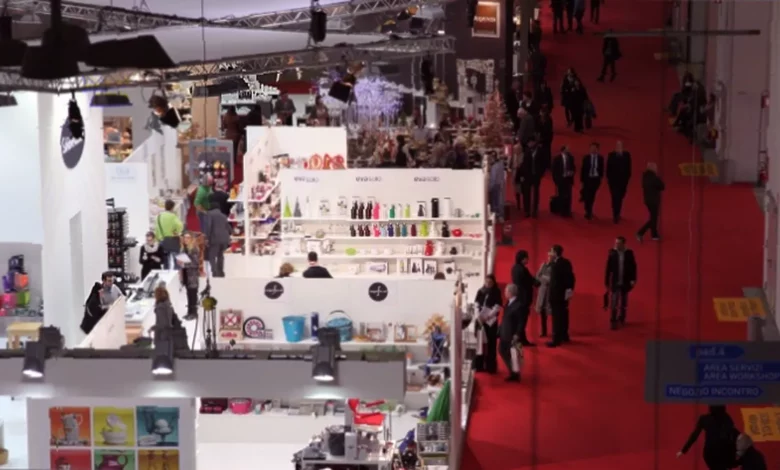
In today’s crowded exhibition halls, success is no longer guaranteed by simply securing a stand. With 65% of UK businesses considering trade shows an invaluable part of their strategy, the competition for attention is intense. The definitive factor separating the memorable from the mundane is now captivating design.
The Power of a Cohesive Narrative
The most effective stands are those that move beyond static product displays to tell a compelling brand story. This approach builds emotional connections and takes visitors on a deliberate journey, using content sequencing, spatial design, and interactive touchpoints. Specialist firms like TARS Design employ innovative techniques and smart technology to translate brand concepts into tangible, unique environments that faithfully reflect a company’s identity. For small and medium enterprises, in particular, this narrative focus is a powerful tool, as events are recognised as an effective means of generating new business with relatively low costs compared to other marketing channels.
Building Worlds: The Rise of the Immersive Experience
The leading edge of stand design is now defined by creating fully immersive experiences, transforming a booth into a destination where visitors can briefly forget the outside world. This is achieved through sophisticated multi-sensory design, which engages sight, sound, touch, and even smell to foster deeper engagement and memory retention. Beyond physical elements, technology like augmented and virtual reality can simulate immersion where space is limited. This shift aligns with a broader investment in experiential marketing, with 80% of companies reportedly increasing their budgets in this area. The goal is active participation, which not only captivates but also encourages visitors to stay longer, directly influencing a stand’s performance.
This experiential thinking extends to social media, with “selfie architecture” – striking sculptural elements, lighting, and interactive backdrops – designed explicitly to be shared online, amplifying a brand’s reach far beyond the exhibition floor. Another growing trend is biophilic design, incorporating natural elements like plants, wood, and organic forms to create a sense of calm amidst the bustle, further encouraging dwell time.
Modular, Custom, and the Sustainable Middle Ground
Faced with busy event calendars and heightened environmental consciousness, many brands are turning to modular exhibition stands. Systems like the T3 modular system allow components to be reused and reconfigured across multiple events, reducing costs, waste, and simplifying logistics for transport between venues. Providers like 5 Studio UK and Clip UK specialise in such reusable solutions. For a one-off event, hiring a modular stand can cost 30-50% less than purchasing one.
However, for maximum impact, a purely modular approach is often blended with custom elements. This hybrid model combines a reusable framework with bespoke, eye-catching features that deliver a unique statement each year. Technology aids this flexibility, as smart screens and digital devices can be easily repurposed. Sustainability is now a central concern, with companies like PurpleRoads focusing on eco-friendly materials and energy-conserving processes. Using reclaimed wood, recycled aluminium, and biodegradable fabrics not only minimises environmental impact but also makes a powerful brand statement, with some event organisers now awarding prizes for the most sustainable stands.
Calculating the Return on Attention
The substantial investment in stand design directly influences a key metric: return on investment. In the UK, exhibiting involves multiple costs. Stand space alone can cost £300–£500 per square metre, with additional expenses for audiovisual equipment, electrical services, logistics, and staff travel. A custom hybrid stand build can range from £12,000 to £20,000 or more. With 78% of businesses identifying in-person events as their most impactful marketing channel, justifying this spend is crucial.
Effective measurement moves beyond simple lead counts to track Cost Per Lead, Customer Acquisition Cost, and the pipeline value influenced by the event. A high-performing exhibitor can achieve an average ROI of 4:1, earning £4 for every £1 spent. However, approximately 50% of exhibitors do not measure their ROI at all. For B2B companies with long sales cycles, a holistic view that considers brand presence and relationship-building is essential. The consequence of not participating is tangible; research suggests the perception of a brand absent from a key event falls by 5%.
The scale of the opportunity is significant. The UK exhibition industry contributed £61.65 billion to the national economy in 2023 and has shown resilience, with a 4% increase in events at major venues in 2024. This activity is set to continue at notable gatherings like the Ideal Home Show at Olympia London in April 2026, MACH 2026 at the NEC Birmingham, and EV Charge Live UK at the NEC in September 2025.